 By Ava Sinclair, Beauty Editor
Reviewed & updated September 2026
As an Amazon Associate, GlowNourish earns from qualifying purchases. We only recommend products we would suggest to a friend — see our Affiliate Disclosure.
This article contains links to products we recommend. GlowNourish may earn a commission from some links, at no extra cost to you — see our Affiliate Disclosure. It is general information, not medical advice.
Skipping moisturiser because your skin is oily is one of skincare’s most common mistakes — strip skin of moisture and it just pumps out more oil to compensate. The right moisturiser balances skin instead of greasing or starving it. The whole trick is matching the formula to your skin type.
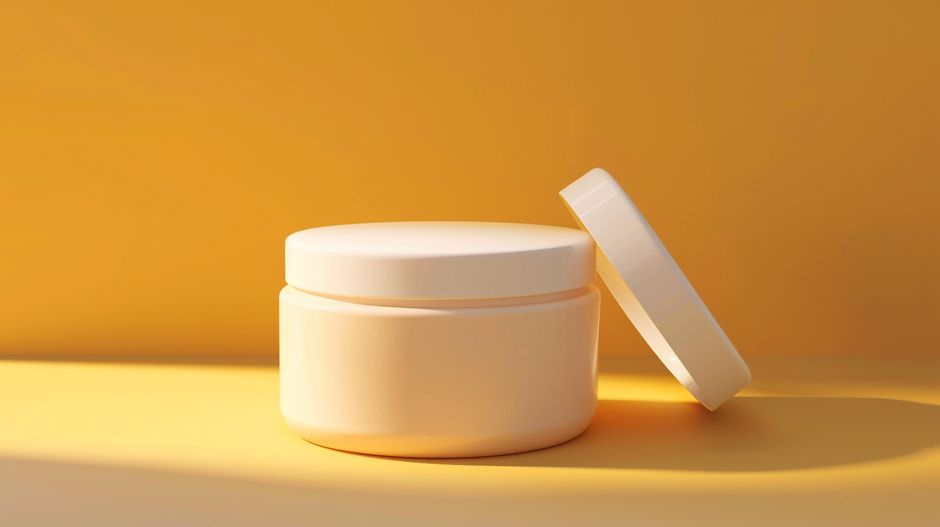
Quick picks:
- 🏆 Best overall: A ceramide gel-cream that suits most skin — Check price on Amazon →
- 💧 Best for dry skin: A rich ceramide cream — Check price on Amazon →
- 🌿 Best for oily skin: An oil-free gel moisturiser — Check price on Amazon →
Quick navigationCurated by Ava · 8 min readWhy everyone needs moisturiser
Even oily skin. Especially oily skin, sometimes. Moisturiser does three essential things: it adds hydration, it seals in the water and serums underneath, and it supports your skin barrier — the protective layer that keeps moisture in and irritants out. When you skip it, skin can overproduce oil to compensate, feel tight, and react more to actives. A good moisturiser is the difference between skin that's merely clean and skin that's genuinely healthy.
How to choose a moisturiser
- Match the texture to your skin type. Oily/combination skin loves lightweight gels and lotions; dry/mature skin loves richer creams.
- Look for barrier-supporting ingredients: ceramides (repair the barrier), hyaluronic acid and glycerin (hydrate), niacinamide (calm and balance).
- Non-comedogenic if you're acne-prone (won't clog pores).
- Fragrance-free if you're sensitive.
- Day vs night: a lighter formula under sunscreen by day, a richer one at night if your skin wants it.
The 10 best moisturisers
| Category | Our pick | Best for |
|---|---|---|
| 🏆 Best overall | Ceramide gel-cream | Normal, combination, and “not sure what I am” skin |
| 💧 Best for dry skin | Rich ceramide cream | Dry, flaky, tight skin and winter months |
| 🌿 Best for oily skin | Oil-free gel | Oily and shine-prone skin |
| 🎯 Best for acne-prone skin | Non-comedogenic lotion | Breakout-prone and combination skin |
| 🌸 Best for sensitive skin | Fragrance-free barrier cream | Sensitive, reactive, or eczema-prone skin |
| 🌞 Best with SPF | Day moisturiser with sunscreen | Everyday, minimalist routines |
| 🌙 Best night cream | Replenishing overnight cream | All skin types as a PM step; dry/mature especially |
| ✨ Best for mature skin | Peptide + hydration cream | Mature skin focused on firmness and glow |
| 💸 Best budget | Classic affordable moisturiser | Beginners and budgets |
| 🧴 Best lightweight all-rounder | Hyaluronic lotion | Combination skin and warm climates |
🏆 Best overall: Ceramide gel-cream
A lightweight-but-nourishing gel-cream with ceramides and hyaluronic acid hits the sweet spot for most skin types — hydrating without heaviness, barrier-supporting, and non-greasy.
- Best for: Normal, combination, and "not sure what I am" skin.
- Pros: Universal, barrier-repairing, layers well under makeup.
- Cons: May not be rich enough for very dry skin.
💧 Best for dry skin: Rich ceramide cream
A thicker, deeply nourishing cream that floods parched skin with moisture and repairs a compromised barrier overnight.
- Best for: Dry, flaky, tight skin and winter months.
- Pros: Long-lasting comfort, soothes flakiness.
- Cons: Too heavy for oily skin in heat.
🌿 Best for oily skin: Oil-free gel
A water-light gel that hydrates and absorbs instantly with a matte, non-greasy finish — proof oily skin needs moisture too.
- Best for: Oily and shine-prone skin.
- Pros: Lightweight, non-comedogenic, controls that midday slick.
- Cons: Lighter hydration; layer with a serum if needed.
🎯 Best for acne-prone skin: Non-comedogenic lotion
A lightweight, pore-friendly lotion, often with niacinamide, that hydrates without triggering breakouts.
- Best for: Breakout-prone and combination skin.
- Pros: Won't clog, calms redness, pairs with acne actives.
- Cons: Medium hydration only.
🌸 Best for sensitive skin: Fragrance-free barrier cream
A minimal, fragrance-free formula with ceramides and soothing ingredients that calms reactive, easily-irritated skin.
- Best for: Sensitive, reactive, or eczema-prone skin.
- Pros: Gentle, barrier-repairing, short ingredient list.
- Cons: Plain — no frills, which is the point.
🌞 Best with SPF: Day moisturiser with sunscreen
Hydration plus broad-spectrum SPF in one step — ideal for low-fuss mornings (just apply enough).
- Best for: Everyday, minimalist routines.
- Pros: Two steps in one, convenient.
- Cons: Apply generously — SPF in moisturiser is easy to under-apply.
🌙 Best night cream: Replenishing overnight cream
A richer treatment cream that works while you sleep — repairing, hydrating, and plumping by morning.
- Best for: All skin types as a PM step; dry/mature especially.
- Pros: Deep overnight nourishment.
- Cons: Too rich for daytime under makeup.
✨ Best for mature skin: Peptide + hydration cream
Combines deep hydration with peptides to support firmness and bounce alongside moisture.
- Best for: Mature skin focused on firmness and glow.
- Pros: Plumping, nourishing, comfortable.
- Cons: Premium price.
💸 Best budget: Classic affordable moisturiser
The cult-favourite drugstore creams that have stayed popular for years because they genuinely work — gentle, effective, and a few dollars.
- Best for: Beginners and budgets.
- Pros: Outstanding value, dermatologist-loved.
- Cons: Basic packaging, no luxury feel.
🧴 Best lightweight all-rounder: Hyaluronic lotion
A featherlight, hydrating lotion suitable for layering, day or night, on most skin types.
- Best for: Combination skin and warm climates.
- Pros: Fast-absorbing, versatile, great under SPF.
- Cons: May need a richer cream in winter.
How to apply moisturiser for best results
- Apply to slightly damp skin to lock in extra hydration.
- Layer it last in your skincare (but before sunscreen in the morning).
- Use upward, gentle motions — no need to drag or tug.
- Don't forget your neck, which shows ageing and dehydration too.
- Adjust with the seasons — lighter in summer, richer in winter.
Frequently asked questions
Does oily skin really need moisturiser?
Yes. Skipping it often makes oily skin produce more oil to compensate. Use a lightweight, oil-free gel.
What's the difference between a gel, lotion, and cream?
Gels are water-light (best for oily skin), lotions are medium (combination), and creams are rich (dry/mature). Match the texture to your skin and climate.
Should I use different moisturisers for day and night?
Optional, but helpful: a lighter formula by day under sunscreen, a richer one at night. Many people happily use one good all-rounder.
What ingredients should I look for?
Ceramides (barrier repair), hyaluronic acid and glycerin (hydration), and niacinamide (calming). For acne-prone skin, "non-comedogenic" on the label.
The bottom line
The best moisturiser is simply the one that matches your skin type and the season — a lightweight gel for oily skin, a rich ceramide cream for dry skin, and a barrier-supporting gel-cream for everyone in between. Look for ceramides, hyaluronic acid, and niacinamide, apply to damp skin, and never skip it. It's the quiet step that keeps everything else working.
🏆 Top pick: Ceramide Gel-Cream Moisturizer — Check price on Amazon →
Next: fit it into your 5-step skincare routine, and learn about the hydration hero, hyaluronic acid.
Read next


Related articles
- The 8 Best Hair Masks for Damaged Hair (2026)
- The 8 Best Mascaras for Length & Volume (2026)
- 12 Best Drugstore Foundations Under $15 (2026)
- How to Layer Your Skincare in the Right Order
- How to Build an Anti-Aging Skincare Routine
- How to Get Glowing Skin Naturally: 12 Habits
Further reading & trusted sources
A small change with a big payoff
Even oily skin needs moisturiser — skipping it often makes skin produce more oil, not less. Matching the texture (gel versus cream) to your skin type matters more than the brand on the jar.
Ava reads the ingredient list long before the marketing claims — what interests her is which actives are genuinely proven and which are just a pretty bottle and a big promise. She leads GlowNourish’s skincare, makeup and hair coverage with one simple test: would this advice still hold up if a dermatologist read it? Every guide is researched with the help of AI tools and then human-edited for accuracy — no invented ‘clinical results’ and no fake reviews. For a real skin concern, she’ll always point you to a professional.