 By Ava Sinclair, Beauty Editor
Reviewed & updated September 2026
As an Amazon Associate, GlowNourish earns from qualifying purchases. We only recommend products we would suggest to a friend — see our Affiliate Disclosure.
This article contains links to products we recommend. GlowNourish may earn a commission from some links, at no extra cost to you — see our Affiliate Disclosure. It is general information, not professional advice.
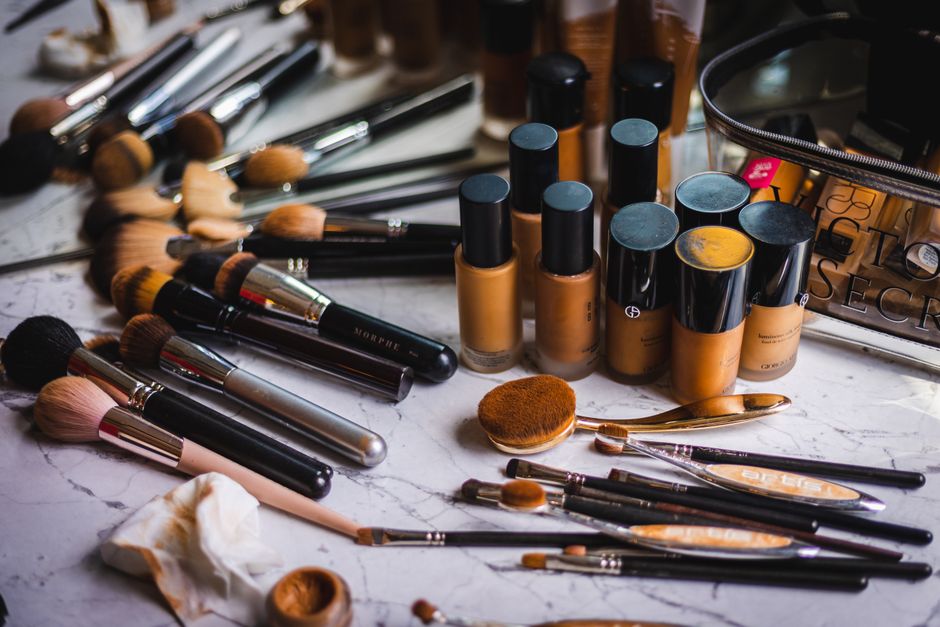
Here's a truth the beauty industry won't shout about: some of the best foundations on the market cost less than a sandwich. Drugstore formulas have come a long way — these days you can get genuinely beautiful, long-wearing, skin-like coverage for under $15. You just need to know which ones are worth it and which finish suits your skin.
Below are twelve of the best affordable foundations, sorted by skin type and finish, plus a complete guide to coverage, undertones, and getting a flawless, natural application.
Quick picks:
- 🏆 Best overall: A natural-finish medium-coverage foundation that suits most skin — Check price on Amazon →
- 💧 Best for dry skin: A hydrating, dewy-finish foundation — Check price on Amazon →
- 🌿 Best for oily skin: A matte, oil-control foundation — Check price on Amazon →
Skip ahead toCurated by Ava · 12 min read- What to look for in a foundation
- The 12 best drugstore foundations
- How to apply foundation for a flawless finish
- How to make drugstore foundation last all day
- The best finish for your age and skin concern
- The right tools: sponge vs brush vs fingers
- Foundation mistakes to avoid
- The bottom line
- Related articles
- Further reading & trusted sources
What to look for in a foundation
Before the picks, three things decide whether a foundation looks great or "off":
1. Finish. Matte (shine-free, best for oily skin), natural/satin (the most skin-like, suits most people), or dewy (radiant, best for dry/mature skin). Match the finish to your skin type and you're halfway there.
2. Coverage. Sheer (evens tone, lets skin show through), medium (covers most redness and marks, still natural), or full (covers almost everything — great for events). Most people want buildable medium.
3. Shade and undertone. The single biggest mistake is matching only the depth (light/medium/deep) and ignoring undertone — cool (pink/red), warm (yellow/golden), or neutral. Get the undertone wrong and even the right depth looks ashy or orange. (We cover this fully in how to find your perfect foundation shade.)
The 12 best drugstore foundations
| Category | Our pick | Best for |
|---|---|---|
| 🏆 Best overall | Natural-finish, medium-coverage foundation | Normal and combination skin; everyday wear |
| 💧 Best for dry skin | Hydrating dewy foundation | Dry and mature skin |
| 🌿 Best for oily skin | Matte long-wear foundation | Oily and acne-prone skin |
| ✨ Best full coverage | Long-wear full-coverage foundation | Events, acne coverage, photography |
| 🍃 Best lightweight | Tinted serum foundation | Minimal-makeup lovers, good-skin days |
| 🌞 Best with SPF | Foundation with built-in sunscreen | Everyday, low-effort routines |
| 🌸 Best for mature skin | Radiant anti-ageing foundation | Mature and dry skin |
| 🎯 Best for acne-prone skin | Non-comedogenic foundation | Acne-prone and sensitive skin |
| 🤎 Best shade range | Inclusive foundation line | Anyone who struggles to find their exact shade |
| 💸 Best ultra-budget | Classic budget foundation | Beginners and the budget-conscious |
| 🧊 Best satin finish | Soft-glow natural foundation | Most skin types; the “can’t go wrong” pick |
| 💪 Best for long days | Transfer-proof foundation | Long shifts, events, hot climates |
🏆 Best overall: Natural-finish, medium-coverage foundation
A satin, true-to-skin finish with buildable medium coverage that flatters nearly every skin type. It evens out tone without looking like a mask — the kind of foundation people mean when they say "your skin but better."
- Best for: Normal and combination skin; everyday wear.
- Pros: Skin-like, buildable, wide shade range.
- Cons: Not long-wear enough for very oily skin in heat.
💧 Best for dry skin: Hydrating dewy foundation
Infused with hydrating ingredients, this melts into dry skin and gives a healthy, lit-from-within glow rather than clinging to flaky patches.
- Best for: Dry and mature skin.
- Pros: Radiant, comfortable, never cakey.
- Cons: Too dewy for oily skin.
🌿 Best for oily skin: Matte long-wear foundation
A shine-controlling, transfer-resistant matte formula that holds up through a long day without sliding or going greasy by lunchtime.
- Best for: Oily and acne-prone skin.
- Pros: Long-lasting, controls oil, full-ish coverage.
- Cons: Can emphasise dry patches — exfoliate first.
✨ Best full coverage: Long-wear full-coverage foundation
For events, photos, or when you want everything evened out, a full-coverage drugstore formula rivals high-end options at a fraction of the price.
- Best for: Events, acne coverage, photography.
- Pros: Covers redness, marks, and discolouration.
- Cons: Needs careful blending; can look heavy if over-applied.
🍃 Best lightweight: Tinted serum foundation
A "skin tint" with sheer, breathable coverage and skincare benefits — perfect for no-makeup-makeup days when you want evened tone but bare-skin comfort.
- Best for: Minimal-makeup lovers, good-skin days.
- Pros: Feather-light, natural, often has SPF.
- Cons: Won't cover significant redness or marks.
🌞 Best with SPF: Foundation with built-in sunscreen
Sun protection plus coverage in one step. A great everyday option (just apply enough — makeup SPF only counts if you use a generous layer).
- Best for: Everyday, low-effort routines.
- Pros: Two steps in one, convenient.
- Cons: SPF in makeup is rarely enough alone — wear sunscreen underneath too.
🌸 Best for mature skin: Radiant anti-ageing foundation
A luminous, hydrating formula that doesn't settle into fine lines — it keeps mature skin looking fresh and dewy rather than flat.
- Best for: Mature and dry skin.
- Pros: Glowy, hydrating, line-friendly.
- Cons: Lower coverage; dewy finish not for oily skin.
🎯 Best for acne-prone skin: Non-comedogenic foundation
Formulated to avoid clogging pores, often with blemish-fighting ingredients, so you can cover breakouts without making them worse.
- Best for: Acne-prone and sensitive skin.
- Pros: Won't clog, decent coverage, gentle.
- Cons: Medium coverage; may need concealer for active spots.
🤎 Best shade range: Inclusive foundation line
Some affordable lines now offer 40+ shades across undertones — making it far easier to find a true match for deep, rich, or hard-to-match skin tones.
- Best for: Anyone who struggles to find their exact shade.
- Pros: Huge inclusive range, true undertones.
- Cons: Finish varies by formula within the line.
💸 Best ultra-budget: Classic budget foundation
The cult-classic cheapies that have stayed popular for years for one reason: they genuinely perform well above their price.
- Best for: Beginners and the budget-conscious.
- Pros: Astonishing value, reliable.
- Cons: Narrower shade range; basic packaging.
🧊 Best satin finish: Soft-glow natural foundation
Right between matte and dewy — a soft satin that looks like healthy real skin in any lighting. The safest finish if you're unsure.
- Best for: Most skin types; the "can't go wrong" pick.
- Pros: Universally flattering, photographs well.
- Cons: Nothing major — a true all-rounder.
💪 Best for long days: Transfer-proof foundation
When you need makeup that survives masks, heat, and a 12-hour day, a transfer-resistant, sweat-proof formula is your friend.
- Best for: Long shifts, events, hot climates.
- Pros: Stays put, doesn't transfer.
- Cons: Can feel drying; set lightly and moisturise well first.
How to apply foundation for a flawless finish
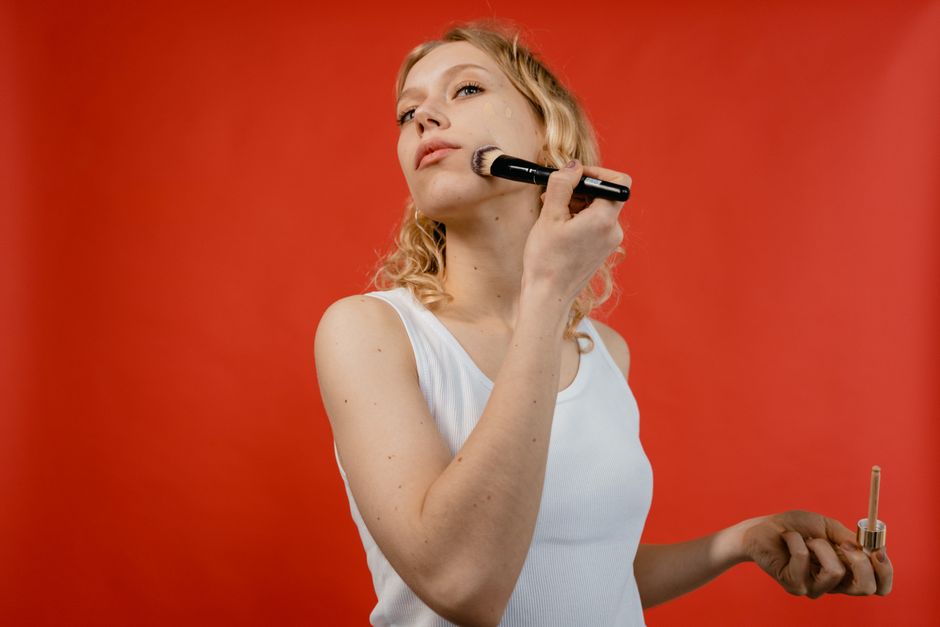
- Prep first. Foundation looks only as good as the skin beneath it. Moisturise, let it sink in, then apply a primer suited to your skin (mattifying for oily, hydrating for dry).
- Use the right tool. A damp makeup sponge gives the most natural, skin-like finish; a brush gives more coverage; fingers work for sheer tints.
- Less is more. Start with a small amount in the centre of your face and blend outward — you can always build up. Most "cakey" looks come from too much product.
- Blend down the neck so there's no visible line between face and jaw.
- Set strategically. Only powder where you get oily (usually the T-zone). Leave the rest for a natural glow.
How to make drugstore foundation last all day
Affordable foundations can wear just as long as luxury ones — the secret is the steps around them:
- Start with skincare. Hydrated skin holds makeup better and stops foundation clinging to dry patches. Let moisturiser sink in for a few minutes before anything else.
- Use a primer matched to your skin. A grip/mattifying primer for oily skin keeps shine and slippage down; a hydrating primer for dry skin stops cakey patches. Primer is the single biggest upgrade to wear time.
- Apply thin layers. Two thin layers last longer and look more natural than one thick one. Build coverage only where you need it.
- Set with powder — strategically. Press (don't sweep) a light translucent powder over your T-zone or anywhere you get oily. Leave your cheeks unpowdered for a natural glow.
- Lock it with setting spray. A few spritzes melt the powder into the skin and dramatically boost longevity, especially in heat.
The best finish for your age and skin concern
Finish isn't just about oil — it changes how skin reads:
- Younger or oily skin suits matte to natural finishes, which control shine and look fresh.
- Mature or dry skin almost always looks better in natural to dewy finishes. Heavy matte foundations can settle into fine lines and emphasise texture, making skin look older and flatter than it is.
- Textured or acne-prone skin does best with a natural, non-comedogenic formula and light, targeted coverage — full-coverage matte can cling to bumps and accentuate them.
- Dull or tired skin comes alive with a radiant/dewy finish or a drop of liquid illuminator mixed into the foundation.
When in doubt, natural/satin is the universally flattering choice — it photographs well, suits most ages, and looks like real, healthy skin.
The right tools: sponge vs brush vs fingers
The exact same foundation can look completely different depending on how you apply it:
- Damp makeup sponge — the most natural, skin-like, "your skin but better" finish. Dampen it first (it should be bouncy, not dripping) and bounce it across the skin rather than wiping. Sheers out coverage beautifully. Best all-rounder.
- Foundation brush — builds the most coverage and is efficient, but can leave streaks if your brush is cheap or your foundation dries fast. Buff in circular motions. Great for full-coverage days.
- Fingers — the warmth of your hands melts product into the skin; perfect for sheer tints and cream formulas. Less precise for full coverage.
If you buy one tool, make it a quality damp sponge — it's the cheapest upgrade that makes budget foundation look expensive.
Foundation mistakes to avoid
- Applying to dry, unprepped skin — it'll cling to flaky patches. Always moisturise first.
- Using too much — the number-one cause of cakey, ageing-looking makeup. Build from a little.
- Forgetting to blend down the neck — leaves an obvious mask line.
- Over-powdering — set only where you're oily; powdering everywhere kills natural glow.
- Ignoring oxidation — let the shade settle a few minutes before deciding it's wrong.
- Skipping SPF because your foundation "has SPF" — makeup rarely has enough; wear sunscreen underneath.
Frequently asked questions
How do I know my undertone?
Check the veins on your wrist: blue/purple suggests cool, green suggests warm, a mix suggests neutral. Gold jewellery flattering you also leans warm; silver, cool. Full guide: how to find your foundation shade.
Drugstore vs high-end — is there really a difference?
Sometimes, in texture and longevity — but the gap has shrunk dramatically. Plenty of drugstore foundations outperform luxury ones. Formula and shade match matter far more than price.
How do I stop foundation looking cakey?
Use less product, prep with moisturiser, apply with a damp sponge, and set only where needed. Cakey-ness is almost always too much product on under-prepped skin.
Which finish should I choose?
Oily skin → matte; dry/mature → dewy; everyone else → natural/satin (the most skin-like and forgiving).
How long does foundation last once opened?
Most liquid foundations are good for 6–12 months after opening (check the little open-jar symbol on the packaging). If it separates, smells off, or changes texture, replace it — old foundation can break out your skin.
Do I apply concealer before or after foundation?
After. Foundation first evens everything out, then you spot-conceal only what still shows — usually blemishes and under-eye shadows. This uses less product and looks more natural than concealing first.
Can one foundation work year-round?
Often you'll want two: a lighter shade for winter and a slightly deeper one for summer, mixed as your skin changes. Same undertone, different depth.
The bottom line
You really don't need to overspend. A natural-finish, buildable foundation suits most people; dry skin should go dewy and oily skin matte. Nail your undertone, prep your skin, and apply with a damp sponge — and a $12 foundation can look like a $50 one.
🏆 Top pick: Natural-Finish Foundation — Check price on Amazon →
Next: master your match with how to find your perfect foundation shade, or build glowing skin underneath with our 5-step skincare routine.
Read next
Related articles
- The 10 Best Lipsticks for Every Occasion (2026)
- The 8 Best Face Cleansers for Every Skin Type (2026)
- How to Contour and Highlight for Beginners
- The Best Makeup Brushes for Beginners (And Their Uses)
- How to Do Winged Eyeliner: A Foolproof Guide
- The 8 Best Face Sunscreens for Every Skin Type (2026)
Further reading & trusted sources
The detail that matters most
Drugstore foundation rivals high-end now; the match and finish matter far more than the price. The usual mistake is testing the shade on your hand instead of your jaw in daylight, where it actually has to blend.
Ava reads the ingredient list long before the marketing claims — what interests her is which actives are genuinely proven and which are just a pretty bottle and a big promise. She leads GlowNourish’s skincare, makeup and hair coverage with one simple test: would this advice still hold up if a dermatologist read it? Every guide is researched with the help of AI tools and then human-edited for accuracy — no invented ‘clinical results’ and no fake reviews. For a real skin concern, she’ll always point you to a professional.