 By Ava Sinclair, Beauty Editor
Reviewed & updated August 2026
You can own the best serums in the world, but if you apply them in the wrong order, you're leaving results on the table — and sometimes canceling out the very ingredients you paid for. Skincare layering follows a simple logic, and once it clicks, building a routine becomes effortless. This guide walks you through the correct order for both morning and night, why it matters, and the common mistakes that quietly sabotage good products.
GlowNourish shares general skincare information, not medical advice. If you have a skin condition or are using prescription treatments, follow your dermatologist's guidance.
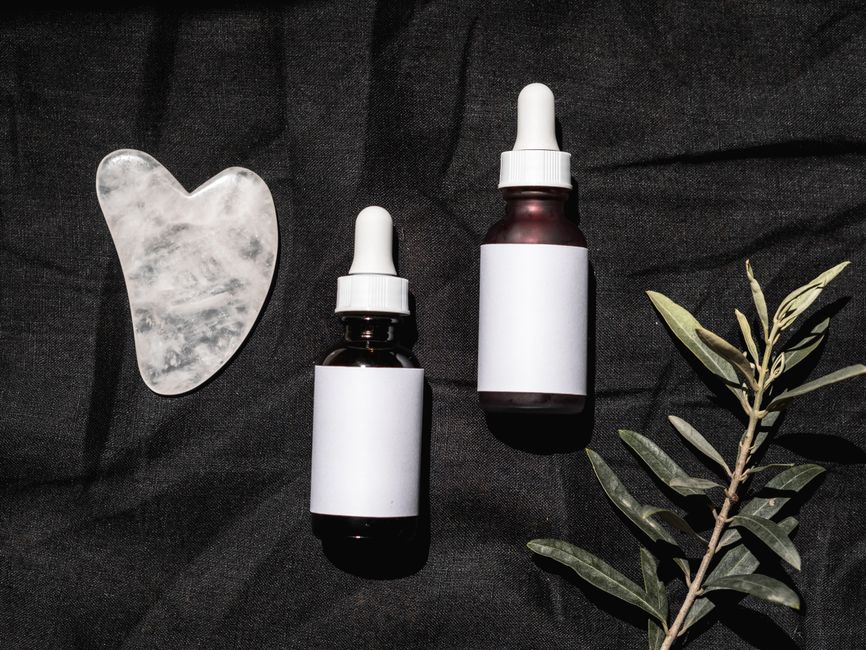 What you’ll find insideCurated by Ava · 6 min read
The one rule that governs everything
The golden rule of layering is simple: apply products from thinnest to thickest texture. Watery, lightweight formulas go on first because they need direct contact with your skin to absorb. Richer, heavier creams and oils go on last because they form a seal — and anything applied on top of them struggles to penetrate.
Think of it as building from the inside out: prep and treat first, then lock everything in.
The correct order, step by step
1. Cleanser. Always start with a clean canvas. In the morning a gentle cleanser (or even just water) is enough; at night, cleanse thoroughly to remove sunscreen, makeup, and the day's buildup. Oily or makeup-heavy days benefit from a double cleanse (an oil-based cleanser followed by a water-based one).
2. Toner or essence (optional). A hydrating toner or essence rebalances the skin and adds a first layer of moisture that helps everything after it sink in better. Skip if your routine is minimalist.
3. Serums and treatments. This is the active layer — vitamin C, niacinamide, hyaluronic acid, or other targeted treatments. If you use more than one, apply the thinnest first and give each 30–60 seconds to absorb. (See cautions below about which actives to keep apart.)
4. Eye cream (optional). The skin around the eyes is delicate; a dedicated eye cream goes here, patted gently with the ring finger.
5. Moisturizer. This hydrates and helps trap the layers beneath it. Even oily skin needs it — skipping moisturizer often makes oily skin produce more oil.
6. Face oil (if used). Oils are occlusive, meaning they seal in moisture. Because nothing absorbs well through oil, it goes after your moisturizer, not before.
7. Sunscreen — mornings only. SPF is the final, non-negotiable daytime step. It sits on top of everything as your shield against UV damage, the single biggest cause of premature aging. Use SPF 30 or higher and reapply through the day.

Morning vs. night: what changes
Your morning routine is about protection: cleanse, treat (antioxidants like vitamin C shine here), hydrate, and seal with sunscreen. Keep it lighter so makeup sits well.
Your night routine is about repair: this is when skin regenerates, so it's the time for richer treatments — retinol, exfoliating acids, repairing peptides — and a more nourishing moisturizer. No sunscreen needed at night, but never skip it by day to "save" the actives.
Ingredients to keep apart
Some powerful actives don't play well together in the same routine:
- Retinol + AHA/BHA acids: using strong exfoliating acids and retinol at once can over-strip and irritate. Alternate them on different nights.
- Retinol + vitamin C: many people prefer vitamin C in the morning (it boosts sun protection) and retinol at night, rather than layering both at once.
- Niacinamide is the easygoing one — it pairs well with almost everything and is great for calming and balancing.
When introducing any active, start slow (two or three nights a week) and build up as your skin adjusts.
Common layering mistakes
- Applying to dry skin when the product wants damp skin — hyaluronic acid, for example, works best on slightly damp skin so it can draw in moisture rather than pull it from your face.
- Not waiting between layers — piling everything on at once causes pilling (those little rolls of product). Give each layer a moment.
- Using too much — a pea-sized amount of most actives is plenty. More product doesn't mean more results.
- Skipping sunscreen — it undoes the work of every other step. If you do one thing, do SPF.
The takeaway
Layer from thinnest to thickest: cleanser, toner or essence, serums and treatments, eye cream, moisturizer, then oil, finishing with sunscreen every morning. Mornings protect (antioxidants plus SPF); nights repair (retinol and richer creams). Keep clashing actives like retinol and strong acids on separate evenings, introduce new actives slowly, and give each layer time to absorb. Get the order right and your existing products will simply work better — no expensive new additions required.
Frequently asked questions
What order do you apply skincare in?
Go thinnest to thickest: cleanser, toner or essence, serums and treatments, eye cream, moisturizer, face oil, and sunscreen last in the morning. Lightweight, water-based formulas absorb first; heavier creams and oils seal everything in at the end.
Do you put serum or moisturizer first?
Serum first. Serums are lighter and carry active ingredients that need to absorb into the skin, while moisturizer is thicker and helps lock the serum (and hydration) in. Applying moisturizer first would block the serum from penetrating.
Where does sunscreen go in the routine?
Sunscreen is always the final step of your morning routine, applied after moisturizer. It needs to sit on top as a protective shield. Reapply through the day, and use SPF 30 or higher.
Can I use all my actives at the same time?
Not always. Niacinamide and hyaluronic acid pair well with most things, but strong actives like retinol and exfoliating acids can irritate when combined. Alternate them on different nights, and introduce any new active slowly to let your skin adjust.
Read next



Related articles
- “Skin Cycling: The Routine Method Explained”
- How to Exfoliate Your Skin Safely (Without Overdoing It)
- The Best Sunscreens for Your Face (Non-Greasy Picks)
- How to Use a Gua Sha for Face Sculpting
- Skincare Routine for Dry Skin: The Complete Guide
- The Best Skincare Routine for Oily, Acne-Prone Skin
Further reading & trusted sources
Where routines usually go wrong
The general rule is thinnest to thickest, with sunscreen always last in the morning — wrong order is why some products seem not to ‘work.’ Let each absorb a moment before the next.
Ava reads the ingredient list long before the marketing claims — what interests her is which actives are genuinely proven and which are just a pretty bottle and a big promise. She leads GlowNourish’s skincare, makeup and hair coverage with one simple test: would this advice still hold up if a dermatologist read it? Every guide is researched with the help of AI tools and then human-edited for accuracy — no invented ‘clinical results’ and no fake reviews. For a real skin concern, she’ll always point you to a professional.