 By Ava Sinclair, Beauty Editor
Reviewed & updated September 2026
As an Amazon Associate, GlowNourish earns from qualifying purchases. We only recommend products we would suggest to a friend — see our Affiliate Disclosure.
This article contains links to products we recommend. GlowNourish may earn a commission from some links, at no extra cost to you — see our Affiliate Disclosure. It is general beauty information.
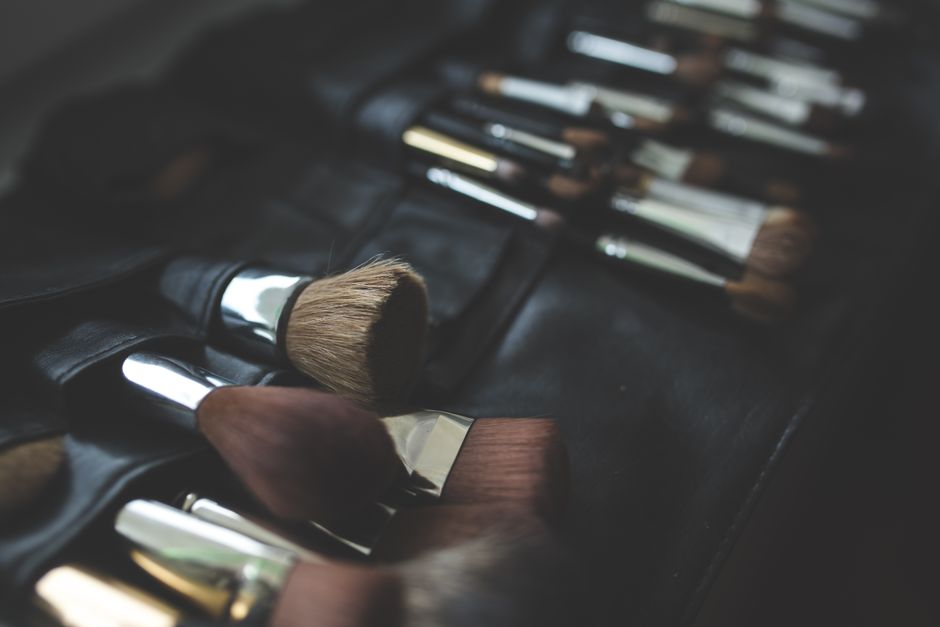
Walk down the makeup-brush aisle and it's overwhelming — dozens of shapes, sizes, and mysterious names, most of which you don't need. The truth is, a small, well-chosen set of brushes (plus one good sponge) will do everything for a beautiful everyday face. Better tools genuinely make your makeup look more blended and professional, even with the same products. Here's exactly which brushes are worth owning, what each one does, and our picks — without the clutter.
Quick picks:
- 🏆 Best starter set: A complete beginner brush set — Check price on Amazon →
- 🧽 Best sponge: A classic makeup blender sponge — Check price on Amazon →
- ✨ Best face brush: A multitasking buffing brush — Check price on Amazon →
Jump to a sectionCurated by Ava · 7 min readThe brushes you actually need (and what they do)
You don't need twenty brushes. Master these essentials:
- Foundation/buffing brush — a dense, rounded brush that buffs liquid foundation into the skin for an airbrushed finish. (A damp sponge does this job too, more sheerly.)
- Concealer brush — small and flat or tapered, for precise concealer placement and blending under the eyes and on blemishes.
- Powder brush — large and fluffy, to dust setting or finishing powder lightly over the skin.
- Blush brush — medium and soft, angled or rounded, to apply blush to the cheeks.
- Bronzer/contour brush — angled or tapered for placing bronzer and contour where you want shadow and warmth.
- Eyeshadow brushes (2): a flat "packing" brush to lay colour on the lid, and a fluffy "blending" brush to diffuse the edges. These two alone do most eye looks.
- A makeup sponge — for the most natural, skin-like foundation and concealer finish (use it damp).
That's a complete kit. Everything else is a nice-to-have.
The best makeup brushes and tools
| Category | Our pick | Best for |
|---|---|---|
| 🏆 Best starter set | Complete beginner brush set | Anyone starting out |
| 🧽 Best sponge | Makeup blender sponge | Natural-finish foundation and under-eye concealer |
| ✨ Best face brush | Buffing foundation brush | Medium-to-full coverage |
| 👁️ Best eye brush duo | Packing + blending brushes | Everyday and beginner eye looks |
| 🌸 Best blush brush | Soft cheek brush | Powder blush and bronzer on the cheeks |
| 💸 Best budget set | Affordable synthetic brushes | Budgets and beginners |
🏆 Best starter set: Complete beginner brush set
An affordable set that includes all the essentials — face and eye brushes in one — so beginners get everything they need without overpaying or overbuying.
- Best for: Anyone starting out.
- Pros: Complete, great value, soft synthetic bristles.
- Cons: Quality varies — choose a well-reviewed set.
🧽 Best sponge: Makeup blender sponge
The cult tool for a flawless, skin-like base. Used damp, it presses foundation and concealer into the skin for a natural, second-skin finish.
- Best for: Natural-finish foundation and under-eye concealer.
- Pros: Seamless, beginner-friendly, versatile.
- Cons: Wash regularly; replace every few months.
✨ Best face brush: Buffing foundation brush
A dense, dome-shaped brush that buffs foundation for fuller, airbrushed coverage — great when you want more than a sponge gives.
- Best for: Medium-to-full coverage.
- Pros: Builds coverage, even finish.
- Cons: Can streak with cheap bristles — quality matters.
👁️ Best eye brush duo: Packing + blending brushes
The two-brush combo that handles almost every eye look: one to pack colour on, one to blend it out softly.
- Best for: Everyday and beginner eye looks.
- Pros: Versatile, the foundation of eyeshadow.
- Cons: You'll want a few more eye brushes as you advance.
🌸 Best blush brush: Soft cheek brush
A medium, fluffy brush that lays down the perfect, diffused amount of blush — never a harsh stripe.
- Best for: Powder blush and bronzer on the cheeks.
- Pros: Soft, even application.
- Cons: Keep separate brushes for blush and bronzer if you can.
💸 Best budget set: Affordable synthetic brushes
Beautifully soft synthetic brushes that rival pricey ones for a fraction of the cost — and synthetic is ideal for liquids and creams.
- Best for: Budgets and beginners.
- Pros: Soft, cruelty-free, cheap.
- Cons: May shed slightly at first.
Natural vs synthetic bristles
A quick rule that saves confusion:
- Synthetic brushes (most modern brushes) are best for liquids and creams — foundation, concealer, cream blush — because they don't absorb product. They're also cruelty-free and easy to clean.
- Natural bristles are traditionally favoured for powders (eyeshadow blending especially), as they pick up and diffuse powder beautifully.
For a beginner, an all-synthetic set covers everything you need.
How to clean your makeup brushes
Dirty brushes cause breakouts and patchy makeup. Keep them fresh:
- Spot-clean with a brush cleaner spray between uses.
- Deep-clean with gentle soap or shampoo about once a week for face brushes (every couple of weeks for eye brushes).
- Reshape and lay flat to dry — never dry brushes upright, which loosens the glue.
- Replace sponges every 3 months and brushes every 1–2 years (or when shedding).
Frequently asked questions
What brushes does a beginner really need?
A foundation brush or sponge, a concealer brush, a powder brush, a blush brush, and two eyeshadow brushes (packing + blending). That's a full kit.
Brush or sponge for foundation?
A damp sponge gives the most natural, skin-like finish; a brush builds more coverage. Many people own both and choose by the day.
How often should I clean my brushes?
Deep-clean face brushes weekly, eye brushes every couple of weeks, and spot-clean between uses. Clean tools prevent breakouts and apply makeup better.
Are expensive brushes worth it?
Sometimes, for longevity and finish — but plenty of affordable synthetic brushes perform beautifully. Start budget; upgrade favourites over time.
The bottom line
You don't need a giant collection — a handful of well-chosen brushes plus a damp sponge does everything for a polished face: buff foundation, place concealer, set with powder, sweep on blush and bronzer, and pack-and-blend your eyes. Choose soft synthetic bristles, keep them clean, and your everyday makeup will instantly look more blended and professional.
🏆 Top pick: Beginner Makeup Brush Set — Check price on Amazon →
Next: put them to work with our everyday natural makeup tutorial and how to contour and highlight.
Read next
Related articles
- The 8 Best Face Sunscreens for Every Skin Type (2026)
- The 10 Best Moisturizers for Every Skin Type (2026)
- 9 Best Vitamin C Serums for Glowing Skin (2026)
- The 10 Best Lipsticks for Every Occasion (2026)
- The 8 Best Face Cleansers for Every Skin Type (2026)
- How to Contour and Highlight for Beginners
Further reading & trusted sources
The step most people skip
A few good brushes beat a big cheap set — most of a set goes unused. And clean them regularly; dirty brushes are a common, overlooked cause of patchy application and breakouts.
Ava reads the ingredient list long before the marketing claims — what interests her is which actives are genuinely proven and which are just a pretty bottle and a big promise. She leads GlowNourish’s skincare, makeup and hair coverage with one simple test: would this advice still hold up if a dermatologist read it? Every guide is researched with the help of AI tools and then human-edited for accuracy — no invented ‘clinical results’ and no fake reviews. For a real skin concern, she’ll always point you to a professional.