 By Ava Sinclair, Beauty Editor
Reviewed & updated August 2026
This article is general skincare information, not medical advice. GlowNourish may earn a small commission from some links, at no extra cost to you — see our Affiliate Disclosure.
The anti-ageing aisle is full of expensive jars promising to turn back time — and most of them quietly under-deliver. Here's the honest truth: a genuinely effective anti-ageing routine is built on just a few proven ingredients, and it's less about chasing youth than about keeping your skin healthy, protected, and glowing at every age. The earlier (and more consistently) you start the basics, the better — but it's never too late. Here's how to build a routine that actually works, without the hype.
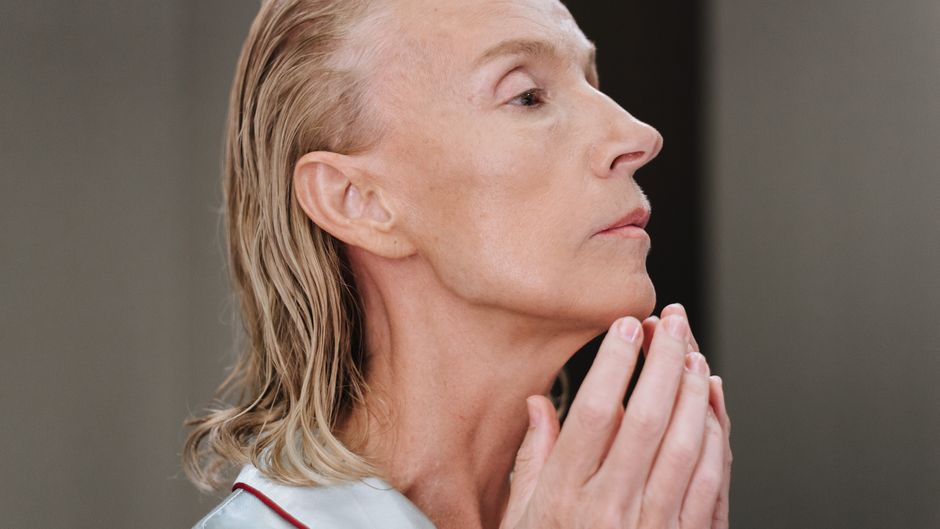 What this guide coversCurated by Ava · 6 min read
What actually causes skin to age
Two forces are at work:
- Intrinsic ageing — the natural process driven by genetics and time. Collagen and elastin slowly decline, skin gets thinner and drier.
- Extrinsic ageing — caused by external factors, largely within your control: sun exposure (the biggest by far), pollution, smoking, poor sleep, and a poor diet.
The headline: up to 80–90% of visible skin ageing comes from the sun. That single fact shapes the entire routine below — because preventing damage beats trying to reverse it.
The 4 proven anti-ageing ingredients
You don't need twenty products. These four do the heavy lifting:
1. Sunscreen (the #1 anti-ageing product)
Nothing else comes close. Daily broad-spectrum SPF 30–50 prevents the wrinkles, sunspots, and sagging that UV causes. If you do one thing for ageing skin, it's this. (See the best face sunscreens.)
2. Retinoids (retinol)
The most proven anti-ageing treatment ingredient — it boosts collagen, speeds cell turnover, smooths fine lines, and evens tone. Start low and slow (see our retinol for beginners guide).
3. Vitamin C
A morning antioxidant that brightens, fades dark spots, and defends against the daily damage that ages skin — and supports collagen. (See the best vitamin C serums.)
4. Moisturiser with hydrating + barrier ingredients
Hydrated skin looks plumper and smoother, and a healthy barrier ages better. Look for hyaluronic acid, ceramides, niacinamide, and peptides. (See the best moisturizers.)
That's the proven core. Everything else is optional.
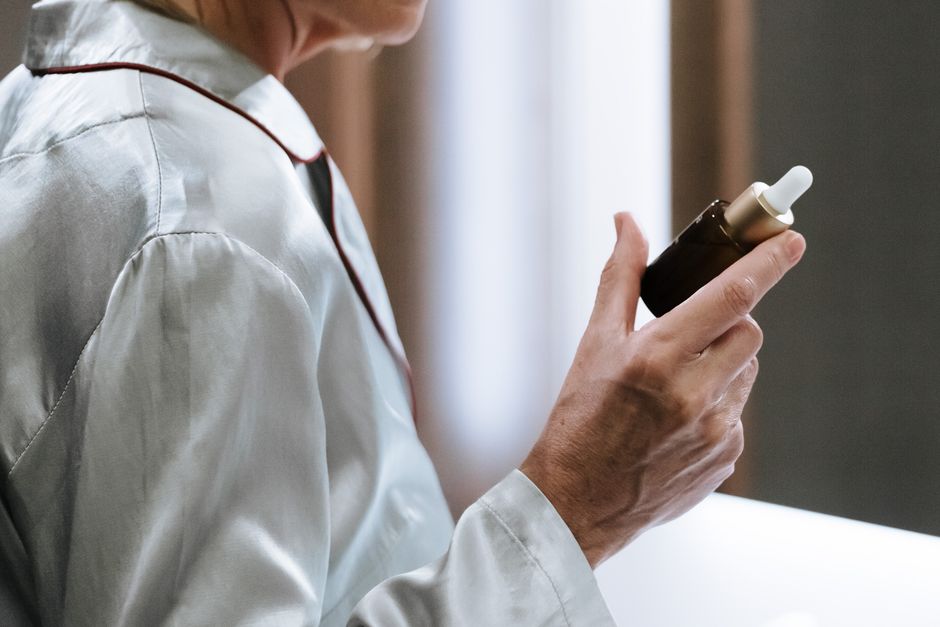
Your anti-ageing routine, step by step
Morning (protect):
- Gentle cleanser (or water)
- Vitamin C serum
- Moisturiser (with hydrating/barrier ingredients)
- Sunscreen — the most important step
Night (repair):
- Cleanser (double cleanse if you wore makeup/SPF)
- Retinol (start 2 nights a week, build up)
- Moisturiser to nourish and seal
That's it — a complete, evidence-based anti-ageing routine in a handful of steps. Add an eye cream, exfoliant, or peptide serum only if you want to.
Anti-ageing by decade (a gentle guide)
- 20s: prevention. Daily sunscreen, antioxidants (vitamin C), good hydration, and maybe a gentle retinol. The habits you build now pay off for decades.
- 30s: add or commit to a retinol, keep up vitamin C and SPF, and focus on hydration as skin starts to feel drier.
- 40s and beyond: richer moisturisers, consistent retinoid use, peptides for firmness, and continued vigilant sun protection. Hydration and barrier care become even more important.
These are guides, not rules — start the basics whenever you are, because consistency matters more than age.
Lifestyle habits that age (or protect) your skin
Skincare is only part of the picture:
- Sleep — skin repairs overnight; chronic loss shows on your face.
- Don't smoke — it dramatically accelerates skin ageing.
- Eat antioxidant-rich foods and enough healthy fats and protein.
- Manage stress, which drives inflammation.
- Stay hydrated and limit excess alcohol.
- Protect from the sun beyond sunscreen — hats, shade, sunglasses.
Common anti-ageing mistakes
- Skipping daily sunscreen while spending on pricey creams — the creams can't out-perform prevention.
- Expecting overnight results — proven ingredients work over months.
- Overloading on actives at once — irritation ages and stresses skin; introduce one at a time.
- Believing the hype — "miracle" claims and sky-high prices rarely mean better results. Ingredients and consistency do.
- Starting too aggressively with retinol — go slow to avoid irritation (see our retinol guide).
Frequently asked questions
What is the most important anti-ageing product?
Daily broad-spectrum sunscreen, without question. The sun causes the majority of visible ageing, so preventing that damage outperforms any treatment.
When should I start an anti-ageing routine?
Prevention (sunscreen, antioxidants, hydration) ideally in your 20s, but it's genuinely never too late — proven ingredients improve skin at any age.
Do expensive anti-ageing creams work better?
Not necessarily. Results come from proven ingredients (sunscreen, retinoids, vitamin C, good moisturisers) used consistently — not from the price tag. Many affordable products outperform luxury ones.
Can I use retinol and vitamin C together?
Yes — just at different times: vitamin C in the morning, retinol at night. This keeps both effective without over-irritating your skin.
The bottom line
An anti-ageing routine that actually works is refreshingly simple: sunscreen every morning, vitamin C by day, retinol at night, and a good hydrating moisturiser — used consistently over time. Add healthy lifestyle habits, skip the hype and harsh overuse, and protect your skin from the sun above all. Do that, and your skin stays healthy, glowing, and resilient at every age. Prevention is, and always will be, the best anti-ageing secret.
Next: start gently with the 5-step skincare routine, ease into retinol for beginners, and protect with the best face sunscreens.
Read next

Related articles
- How to Get Rid of Dark Circles Under Your Eyes
- How to Layer Your Skincare in the Right Order
- How to Find Your Perfect Foundation Shade (2026)
- 9 Best Vitamin C Serums for Glowing Skin (2026)
- The 5-Step Skincare Routine for Beginners (2026)
- The Double Cleansing Method Explained (Do You Need It?)
Further reading & trusted sources
Worth knowing before you start
The two ingredients with the strongest evidence are sunscreen and retinoids — most pricier ‘anti-aging’ steps do far less. Consistency with the basics beats a 10-step routine you abandon.
Ava reads the ingredient list long before the marketing claims — what interests her is which actives are genuinely proven and which are just a pretty bottle and a big promise. She leads GlowNourish’s skincare, makeup and hair coverage with one simple test: would this advice still hold up if a dermatologist read it? Every guide is researched with the help of AI tools and then human-edited for accuracy — no invented ‘clinical results’ and no fake reviews. For a real skin concern, she’ll always point you to a professional.