 By Ava Sinclair, Beauty Editor
Reviewed & updated August 2026
This article contains affiliate links — as an Amazon Associate we earn from qualifying purchases, at no extra cost to you. It is general information, not medical advice. If you have a skin condition, see a dermatologist.
Ten-step routines, $80 serums, ingredients you can’t pronounce — beginner skincare is made to feel far more complicated than it is. The truth: cleanse, protect, and moisturise covers about 90% of what your skin actually needs. Master those three and you can happily ignore most of the aisle.
This guide breaks down exactly what those five steps are, why each one matters, how to adapt them to your skin, and the honest truth about what actually moves the needle. By the end you'll be able to build a routine that takes about five minutes, costs less than you'd expect, and — most importantly — you'll actually stick to.
 In this guideCurated by Ava · 12 min read
- Why a routine beats a cabinet full of products
- First, know your skin type
- The 5 steps, explained
- Your simple morning and night routines
- The order of application (and why it matters)
- Common beginner mistakes to avoid
- How much should this cost?
- Building the habit (so you actually stick with it)
- When to see a dermatologist
- The bottom line
- Related articles
- Further reading & trusted sources
Why a routine beats a cabinet full of products
Here's the single most important idea in all of skincare: consistency beats intensity. The person who uses three basic products every single day will almost always have better skin than the person who owns thirty products and uses them randomly. Your skin renews itself on a roughly 28-day cycle, which means most products need four to twelve weeks of daily use before you can fairly judge them.
That's why we're not going to hand you a twelve-step routine. We're going to give you a minimalist framework that covers everything your skin genuinely needs — cleanse, treat, hydrate, protect — and nothing it doesn't. You can always add to it later once the basics are a habit.
First, know your skin type
Before you buy a single product, spend thirty seconds identifying your skin type. It changes which textures and ingredients will feel good versus greasy or tight.
- Oily skin looks shiny by midday, especially across the forehead, nose, and chin, and is prone to clogged pores. Lean toward gel and water-based textures.
- Dry skin feels tight, looks dull or flaky, and rarely gets shiny. It loves creamier, richer formulas.
- Combination skin is oily in the T-zone (forehead and nose) but normal-to-dry on the cheeks — the most common type. You'll mix textures.
- Sensitive skin stings, reddens, or reacts easily. Prioritise short, fragrance-free ingredient lists.
- Normal skin is balanced and rarely problematic. Most products work for you.
A quick test: wash your face, wait an hour without applying anything, then notice how it feels. Tight? Dry. Shiny all over? Oily. Shiny in the middle only? Combination. Comfortable? Normal.
Keep your type in mind as we go — it's the filter for every product choice below.
The 5 steps, explained
Step 1: Cleanser
Cleansing is the foundation of everything. Throughout the day your skin collects oil, sweat, pollution, sunscreen, and makeup; overnight it sheds dead cells and produces oil. A good cleanser clears all of that without stripping your skin raw.
The biggest beginner mistake is over-cleansing with harsh, foaming products that leave skin feeling "squeaky clean" — that squeak is actually the sound of a damaged moisture barrier. Aim for a cleanser that leaves your face feeling clean but comfortable, never tight.
- Oily/combination skin: a gentle gel or foaming cleanser.
- Dry/sensitive skin: a cream, milk, or hydrating cleanser.
- Wearing makeup or SPF? Consider "double cleansing" at night — an oil-based cleanser first to dissolve makeup, then your regular cleanser.
How to use it: Cleanse twice a day — morning and night — with lukewarm (never hot) water, massaging gently for about 20 seconds. In the morning, if your skin is dry or sensitive, you can even skip the cleanser and just splash with water.

Step 2: Treatment (serum or active)
This is the step that targets your specific concern — dark spots, dullness, fine lines, breakouts, or uneven texture. Treatments are usually lightweight serums packed with active ingredients. You don't need many; one or two well-chosen actives do more than a shelf of them fighting each other.
Here are the beginner-friendly heavy hitters and what they do:
- Vitamin C (morning) — brightens, fades dark spots, and adds antioxidant protection under sunscreen. A great first "glow" serum. See our guide to the best vitamin C serums for glowing skin.
- Niacinamide — calms redness, regulates oil, and minimises the look of pores. Famously gentle and easy to layer.
- Hyaluronic acid — a hydration magnet that plumps skin and softens fine lines. Suits every skin type.
- Retinol (night, advanced) — the gold standard for fine lines and texture, but introduce it slowly, once or twice a week to start.
- Salicylic acid / BHA (for breakouts) — clears pores from the inside; ideal for oily, acne-prone skin.
The golden rule for beginners: add one active at a time and give it several weeks. Introducing five serums at once is the fastest way to irritate your skin and have no idea which product caused it.
Step 3: Moisturiser
Every skin type needs moisturiser — yes, including oily skin. When you skip it, your skin often overproduces oil to compensate, making shine and breakouts worse. Moisturiser seals in hydration, supports your skin barrier, and keeps everything soft and resilient.
- Oily/combination skin: a lightweight gel or lotion labelled "non-comedogenic" (won't clog pores).
- Dry/sensitive skin: a richer cream, ideally with ceramides or hyaluronic acid.
How to use it: Apply to slightly damp skin (right after your serum) to lock in extra moisture. Morning and night.

Step 4: Sunscreen (the non-negotiable)
If you take one thing from this entire article, make it this: daily sunscreen is the most effective anti-ageing product that exists. Dermatologists are near-unanimous on it. Up to 80–90% of visible skin ageing — wrinkles, sunspots, loss of firmness — is linked to UV exposure, not the passage of time itself. No serum can out-perform simply protecting your skin in the first place.
Use a broad-spectrum SPF 30 or higher, every single morning, rain or shine, indoors near windows or out. It's the final step of your morning routine, applied generously over your moisturiser.
- Oily skin: look for "matte finish" or gel-based sunscreens.
- Dry skin: hydrating or "dewy finish" formulas.
- Hate the white cast? Modern chemical and hybrid sunscreens, plus tinted mineral options, blend invisibly. A good tinted SPF can even replace light foundation.
If you only ever do two steps, make them cleanser and sunscreen. They are the floor of good skin.
Step 5: Treat-as-needed extras
Once the four core steps are a habit, you can layer in occasional extras — not daily essentials, but nice multipliers:
- Exfoliant (1–3× a week): a chemical exfoliant (AHA like glycolic or lactic acid) sweeps away dead cells for smoother, brighter skin. Skip gritty physical scrubs, which can cause micro-tears.
- Face mask (1–2× a week): clay for oily skin, hydrating sheet masks for dry skin. More of a treat than a necessity.
- Eye cream: optional. A regular moisturiser usually works around the eyes too, but a dedicated cream can target puffiness or dark circles if that's a concern. Try a DIY coffee under-eye serum for a natural, budget option.
Your simple morning and night routines
Here's how the five steps actually slot into your day. Notice the order — thinnest to thickest texture, with sunscreen always last in the morning.
Morning (AM):
- Cleanser (or just water if dry/sensitive)
- Vitamin C or hydrating serum
- Moisturiser
- Sunscreen
Night (PM):
- Cleanser (double cleanse if you wore makeup/SPF)
- Treatment (retinol, exfoliant, or targeted serum — alternate nights)
- Moisturiser
That's it. Four steps in the morning, three at night. Five minutes, twice a day.
The order of application (and why it matters)
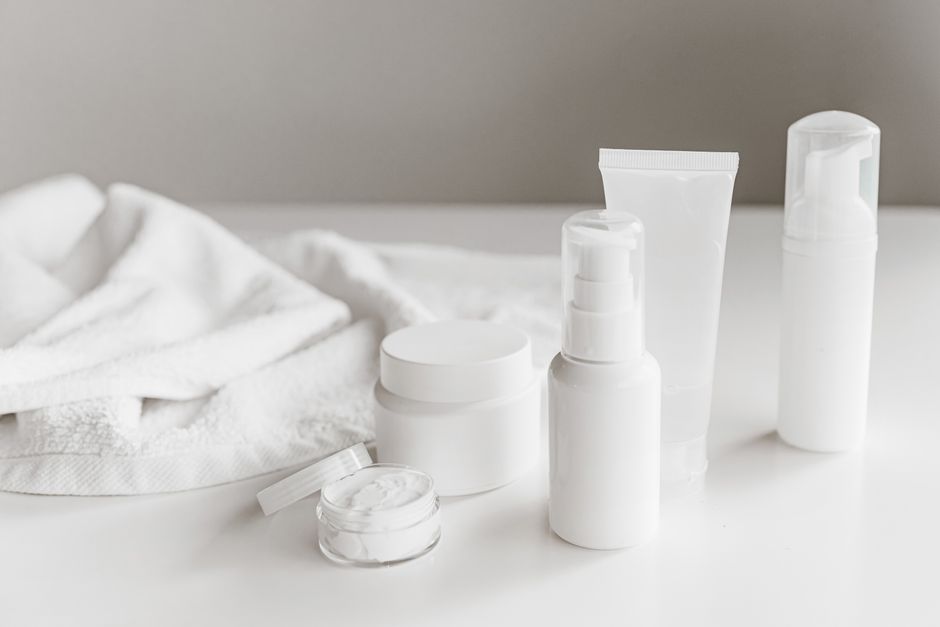
Layering in the right order lets each product absorb properly. The simple rule is thinnest to thickest: water-like serums first, creams next, oils and sunscreen last. Applying a thick cream before a watery serum effectively blocks the serum from getting in. Give each layer 30–60 seconds to sink in before the next, and your routine will quietly become much more effective without a single new product.
Common beginner mistakes to avoid
- Switching products too fast. Give anything new at least 4–6 weeks. "It's not working after three days" is almost never true.
- Over-exfoliating. More is not better. Two or three times a week is plenty; daily acids strip the barrier and cause the very dullness you're trying to fix.
- Chasing "purging" myths to excuse irritation. Mild adjustment is normal; stinging, persistent redness, or burning is not — stop and simplify.
- Skipping sunscreen on cloudy days or indoors. UVA passes through clouds and windows. Daily means daily.
- Buying for the packaging or the hype. Focus on ingredients and your skin type, not the influencer of the week.
- Doing too much at once. A loyal four-product routine beats a chaotic fourteen-product one every time.
How much should this cost?
Less than the industry implies. You can build a complete, dermatologist-approved routine — cleanser, one serum, moisturiser, sunscreen — for a very reasonable price using well-formulated affordable brands. Expensive does not equal effective; some of the most respected products in skincare are drugstore staples. Spend where it counts (a sunscreen you'll actually enjoy wearing) and save everywhere else. As your skin and confidence grow, you can upgrade selectively.
Building the habit (so you actually stick with it)
The best routine in the world is worthless if you abandon it after a week. A few practical tricks make consistency almost automatic:
- Keep it visible. Store your products where you'll see them — beside your toothbrush, on the bathroom counter. Out of sight is out of routine.
- Anchor it to something you already do. Skincare right after brushing your teeth, morning and night, links the new habit to an existing one.
- Start smaller than feels impressive. Even just cleanser and sunscreen, done daily, beats a ten-step routine you quit. Add steps once the basics feel effortless.
- Forgive the misses. Skipped a night? It's fine. Consistency over months is what matters, not a perfect streak.
It's also worth remembering that skin is an organ, and it reflects the rest of your life. Sleep, hydration, stress, and diet all show up on your face over time. A routine works best alongside the basics — enough sleep, drinking water, and managing stress. Glow really is partly an inside job.
When to see a dermatologist
A good routine handles everyday concerns — dullness, mild breakouts, dryness, early fine lines. But some things need a professional. See a dermatologist if you have persistent or painful acne, sudden changes in a mole, severe redness or rosacea, eczema or psoriasis flares, or any reaction that won't settle. There's no prize for toughing it out, and prescription treatments can transform stubborn conditions that no over-the-counter product will fix.
Frequently asked questions
How long until I see results?
Hydration and glow can improve within days, but real change to texture, dark spots, or fine lines takes 8–12 weeks of consistent use. Skincare rewards patience.
Can I use the same products morning and night?
Mostly yes — cleanser and moisturiser work both times. The key differences: vitamin C and sunscreen belong in the morning; retinol and exfoliants belong at night (they can increase sun sensitivity).
Do I really need a separate eye cream, toner, and essence?
No. Those are optional add-ons, not core steps. A complete, effective routine is entirely possible with just cleanser, serum, moisturiser, and sunscreen.
My skin is oily — can I skip moisturiser?
No. Skipping it often makes oiliness worse. Use a lightweight, non-comedogenic gel moisturiser instead.
Is a 10-step Korean routine better?
Not necessarily — it's just more steps. Many people with beautiful skin use four or five products. Start simple; add only what your skin actually responds to.
The bottom line
A great skincare routine isn't about owning the most products — it's about doing a few simple things consistently. Cleanse, treat, moisturise, and protect with sunscreen. Match the textures to your skin type, add actives one at a time, and give everything time to work. Do that, and within a couple of months you'll likely see calmer, brighter, healthier skin — without the overwhelm or the expense.
Ready to build yours? Start with the two steps that matter most, then explore our guides to the best vitamin C serums for glowing skin and how to find your perfect foundation shade once your base is glowing.
Read next



Related articles
- The Double Cleansing Method Explained (Do You Need It?)
- “Skin Cycling: The Routine Method Explained”
- How to Exfoliate Your Skin Safely (Without Overdoing It)
- The Best Sunscreens for Your Face (Non-Greasy Picks)
- How to Use a Gua Sha for Face Sculpting
- Skincare Routine for Dry Skin: The Complete Guide
Further reading & trusted sources
Where routines usually go wrong
A beginner routine needs three things — cleanser, moisturiser, sunscreen — done consistently. The common mistake is starting with a cabinet of actives that irritate the skin before the basics are even a habit.
Ava reads the ingredient list long before the marketing claims — what interests her is which actives are genuinely proven and which are just a pretty bottle and a big promise. She leads GlowNourish’s skincare, makeup and hair coverage with one simple test: would this advice still hold up if a dermatologist read it? Every guide is researched with the help of AI tools and then human-edited for accuracy — no invented ‘clinical results’ and no fake reviews. For a real skin concern, she’ll always point you to a professional.