 By Ava Sinclair, Beauty Editor
Reviewed & updated August 2026
This article is general skincare information, not medical advice. GlowNourish may earn a small commission from some links, at no extra cost to you — see our Affiliate Disclosure.
Hyaluronic acid can hold up to 1,000 times its weight in water, which is why it plumps and smooths skin so quickly. But use it wrong — on dry skin, in dry air — and the very same ingredient pulls moisture out and leaves you tighter than before. The fix is simple once someone tells you.
 Skip ahead toCurated by Ava · 6 min read
What hyaluronic acid actually is
Hyaluronic acid (HA) is a substance your body already makes — it's naturally found in your skin, where it keeps tissues plump and hydrated. The catch: levels drop with age, which is part of why skin loses that bouncy, dewy quality over time.
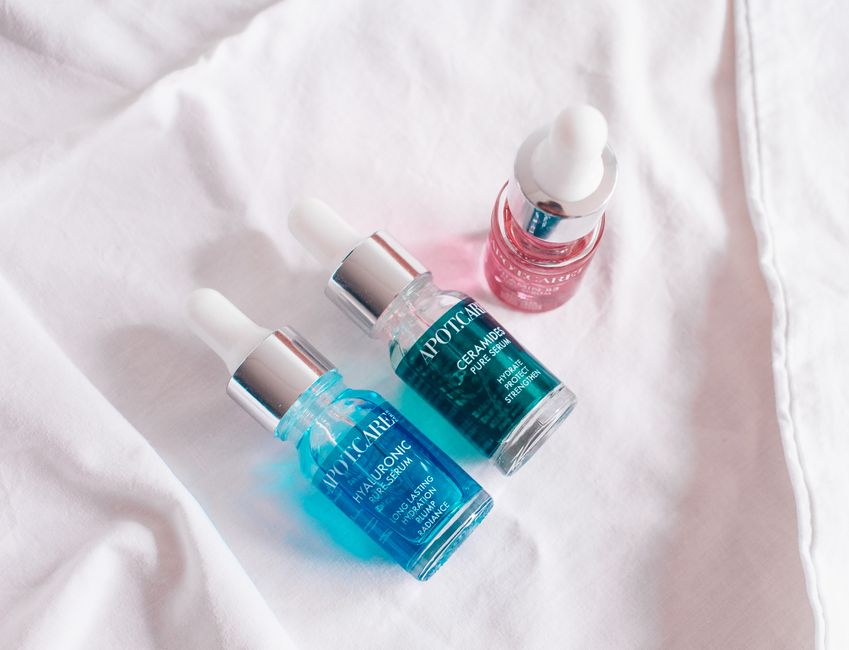
As a skincare ingredient, HA is a humectant — it attracts and binds water, holding up to 1,000 times its weight in moisture. Applied to your skin, it draws water into the surface layers, making skin look plumper, dewier, and smoother, with fine lines temporarily softened.
Why it's a hero ingredient
- Hydrates without heaviness — perfect even for oily skin, since it's water-based, not oily.
- Plumps fine lines — hydrated skin looks smoother and more youthful.
- Suits every skin type — gentle, non-irritating, and plays well with other ingredients.
- Boosts your whole routine — well-hydrated skin tolerates actives better and glows more.
- Instant and long-term — you see dewiness immediately, and consistent use supports a healthier moisture barrier.
The mistake almost everyone makes
Here's the crucial bit. Because HA is a humectant, it pulls water from wherever it can find it. In dry air, if you apply it to dry skin and don't seal it in, it can actually pull moisture out of the deeper layers of your skin and evaporate — leaving you drier than before.
The fix is simple:
- Apply HA to slightly damp skin (right after cleansing or a hydrating toner), so it has water to grab from the surface.
- Always seal it with a moisturiser on top to lock the hydration in.
Do those two things and HA is pure magic. Skip them in a dry climate and it can backfire.
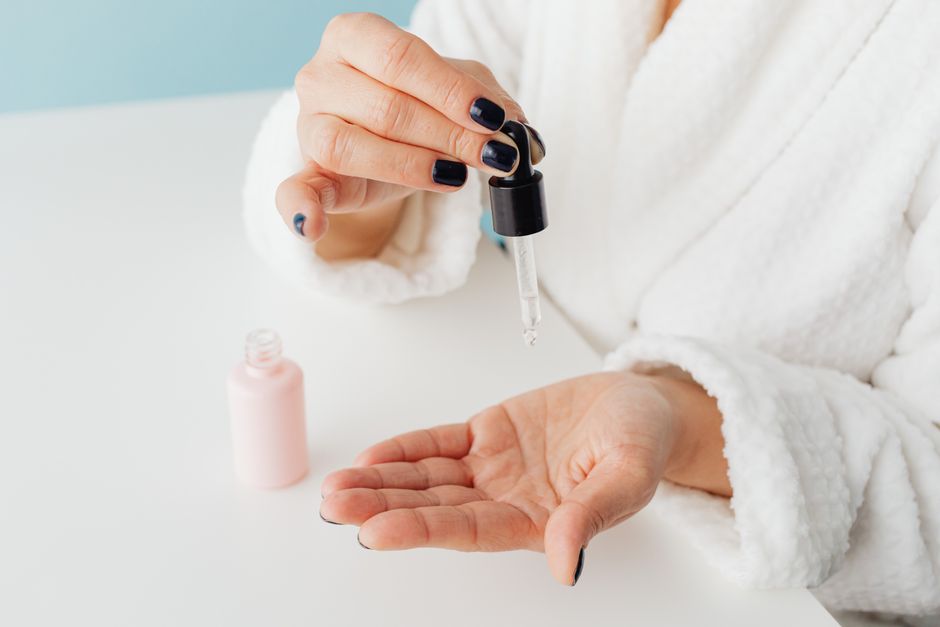
How to use hyaluronic acid (step by step)
- Cleanse your face.
- While skin is still slightly damp, apply a few drops of HA serum.
- Gently press it in (don't let skin fully dry first).
- Immediately follow with moisturiser to seal in the hydration.
- In the morning, finish with sunscreen.
Use it morning and night — it's gentle enough for twice-daily use and layers under or over most other serums.
What pairs well with hyaluronic acid
HA is the friendliest ingredient in skincare — it pairs with practically everything:
- Vitamin C — hydration + brightening (see our best vitamin C serums).
- Retinol — HA soothes and offsets retinol's potential dryness (see our retinol for beginners guide).
- Niacinamide — calming and balancing alongside hydration.
- Moisturisers with ceramides — the perfect seal on top.
There's essentially nothing HA clashes with — which is why it's a staple in nearly every routine.
Different types of hyaluronic acid
You may see formulas boasting "multi-weight" or different molecular sizes:
- High molecular weight sits on the surface for instant plumping and a protective, hydrating film.
- Low molecular weight penetrates a little deeper for longer-lasting hydration.
- The best serums use a blend of weights to hydrate at multiple levels. Look for "multi-molecular" or several forms of HA on the label.
You don't need to overthink this — a well-formulated multi-weight serum covers all bases.
Who should use it
Honestly? Almost everyone. HA is especially great for:
- Dry or dehydrated skin craving moisture.
- Oily skin that needs hydration without heavy oils.
- Mature skin wanting to plump fine lines.
- Sensitive skin, thanks to its gentle, non-irritating nature.
Even oily, acne-prone skin benefits — dehydration often worsens oiliness, so lightweight hydration helps balance it.
Frequently asked questions
Will hyaluronic acid exfoliate or irritate my skin?
No. Despite the name, it's not an exfoliating acid like glycolic or salicylic. It's a gentle hydrator and one of the least irritating ingredients in skincare.
Can I use hyaluronic acid every day?
Yes — morning and night. It's gentle enough for daily, twice-daily use.
Why does my skin feel drier after using it?
You're likely applying it to dry skin in dry air without sealing it. Apply to damp skin and always follow with moisturiser to lock hydration in.
Serum or moisturiser with hyaluronic acid — which is better?
A serum delivers a higher concentration; a moisturiser with HA adds hydration plus sealing. Using a serum then a moisturiser gives you the best of both.
Can oily skin use hyaluronic acid?
Absolutely. It's water-based and oil-free, so it hydrates without adding grease — and balanced, hydrated skin often looks less oily.
The bottom line
Hyaluronic acid is the closest thing skincare has to a universal hydrator — gentle, effective, and suitable for every skin type. The only rule that matters: apply it to damp skin and seal it with moisturiser, and it'll keep your complexion plump, dewy, and glowing. Get that right, and it's one of the best-value steps you can add.
Next: build hydration into your full routine with the 5-step skincare routine and the simplified Korean skincare routine.
Read next



Related articles
- “Niacinamide: Benefits, How to Use It, and What to Pair It With”
- How to Get Rid of Blackheads Safely
- How to Repair a Damaged Skin Barrier
- Peptides in Skincare: What They Do and How to Use Them
- How to Get Glass Skin: The Korean Beauty Routine That Actually Works
- How to Get Rid of Dark Circles Under Your Eyes
Further reading & trusted sources
The detail that matters most
Hyaluronic acid pulls water in, so in dry air it can draw from your skin if you don’t seal it — apply to damp skin and lock it with moisturiser. Used dry, it can leave skin feeling tighter, not more hydrated.
Ava reads the ingredient list long before the marketing claims — what interests her is which actives are genuinely proven and which are just a pretty bottle and a big promise. She leads GlowNourish’s skincare, makeup and hair coverage with one simple test: would this advice still hold up if a dermatologist read it? Every guide is researched with the help of AI tools and then human-edited for accuracy — no invented ‘clinical results’ and no fake reviews. For a real skin concern, she’ll always point you to a professional.