 By Ava Sinclair, Beauty Editor
Reviewed & updated August 2026
Your scalp is the foundation of every strand of hair you grow — yet most people treat it as an afterthought. If your hair feels thin, grows slowly, or your scalp is constantly itchy or oily, the problem likely starts at the root. A consistent scalp care routine can transform your hair health from the ground up.
This article shares general skincare and hair care information for educational purposes. It is not medical advice. If you have persistent scalp concerns, consult a dermatologist.
 In this guideCurated by Ava · 9 min read
- Why Scalp Health Is the Key to Better Hair
- Common Scalp Problems and Their Causes
- Step 1: Start With a Scalp Scrub (Once a Week)
- Step 2: Choose the Right Shampoo for Your Scalp Type
- Step 3: Scalp Massage (Daily, 5 Minutes)
- Step 4: Scalp Serums and Treatments
- Step 5: Scalp Oiling (Once or Twice a Week)
- Step 6: Lifestyle Habits That Affect Scalp Health
- A Simple Weekly Scalp Care Schedule
- The Takeaway
- Related articles
- Further reading & trusted sources
Why Scalp Health Is the Key to Better Hair
Think of your scalp the way you think of soil in a garden. Rich, healthy, well-nourished soil grows strong plants. Neglected, clogged, or irritated soil stunts growth.
Your scalp contains around 100,000 hair follicles. Each follicle needs:
- Good circulation to deliver oxygen and nutrients
- A balanced microbiome — the community of bacteria and fungi living on the scalp
- Clean, unclogged follicles so new hair can emerge unobstructed
- Proper sebum production — not too oily, not too dry
When any of these factors is off, you may notice excess shedding, slow growth, dandruff, itching, or hair that looks dull and limp despite regular conditioning.
Common Scalp Problems and Their Causes
Before building your routine, identify which issues you're working with:
Oily scalp: Overactive sebaceous glands, often triggered by overwashing, stress, hormones, or using heavy products.
Dry, flaky scalp: Under-moisturized skin, often worsened by harsh shampoos, cold weather, or hot water during washing.
Dandruff: Usually caused by an overgrowth of Malassezia yeast — a fungus naturally present on the scalp. Looks like white or yellow flakes, often with itching.
Product buildup: Accumulation of silicones, waxes, and heavy conditioners that coat follicles and leave hair feeling heavy and dull.
Itchy scalp without flakes: Could be contact dermatitis (reaction to an ingredient), psoriasis, or eczema — a dermatologist visit is worthwhile.
Step 1: Start With a Scalp Scrub (Once a Week)
A scalp scrub — also called a scalp exfoliant — removes dead skin cells, product buildup, and excess oil from the scalp surface. This is especially important if you use dry shampoo, heavy styling products, or have naturally oily hair.
What to look for: Physical scrubs contain fine particles (sugar, sea salt, walnut powder). Chemical scrubs use salicylic acid or glycolic acid to dissolve buildup.
How to use: Apply to a damp scalp before shampooing. Gently massage in circular motions with your fingertips (never nails) for 2–3 minutes. Rinse thoroughly, then shampoo as normal.
DIY option: Mix 2 tablespoons of brown sugar with 1 tablespoon of coconut oil and a few drops of tea tree oil. Apply to damp scalp, massage, and rinse.
Start with once a week. If your scalp is sensitive, once every two weeks is fine.
Step 2: Choose the Right Shampoo for Your Scalp Type
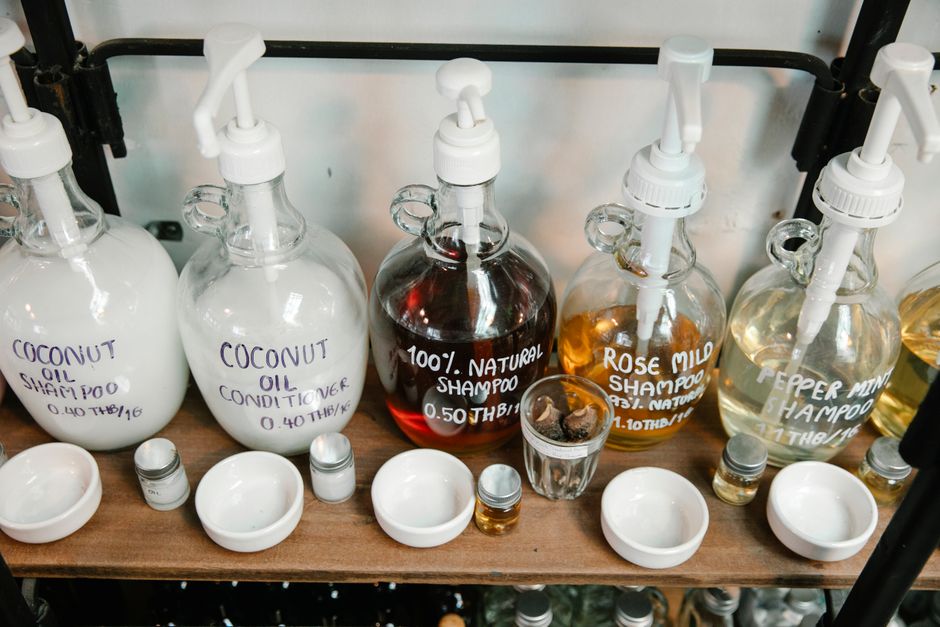
Shampoo should cleanse your scalp, not just your hair. Most people apply shampoo to the lengths when it should be focused on the roots.
For oily scalp: Look for clarifying or balancing shampoos with ingredients like salicylic acid, zinc pyrithione, or tea tree oil. Avoid heavy, moisturizing formulas — they'll weigh down the scalp.
For dry scalp: Opt for gentle, sulfate-free formulas with soothing ingredients like aloe vera, oat extract, or ceramides.
For dandruff: Medicated shampoos with ketoconazole, selenium sulfide, or zinc pyrithione are clinically proven to reduce Malassezia. Rotate between two different active ingredients for best results.
Washing frequency: There's no universal rule. Wash when your scalp feels oily or itchy. Overwashing strips the scalp's natural oils; underwashing leads to buildup.
Step 3: Scalp Massage (Daily, 5 Minutes)
Scalp massage is one of the most underrated hair growth tools — and it's completely free. A 2019 study published in Dermatology and Therapy found that participants who performed 4 minutes of daily scalp massage for 24 weeks experienced increased hair thickness.
Massage stimulates blood flow to the follicles, delivering more oxygen and nutrients. It also helps loosen buildup and reduce stress — which is itself a major cause of hair loss.
How to do it: Use the pads of your fingertips (not nails). Apply gentle but firm pressure in small circular motions, working across the entire scalp. Do this on dry hair, wet hair, or with an oil — all work.
Scalp massager tools: Silicone scalp massager tools with soft rubber bristles make this easier and feel incredible. Look for one with flexible prongs.
Step 4: Scalp Serums and Treatments
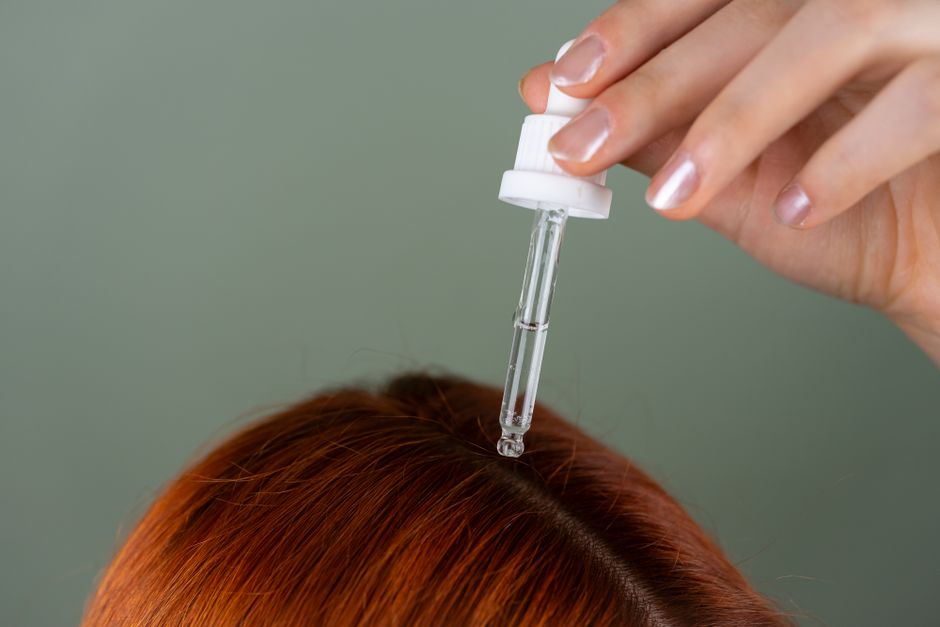
Scalp serums are lightweight leave-in treatments designed to nourish the follicles without weighing hair down. They're applied after washing and typically contain targeted actives.
Best ingredients to look for:
- Niacinamide: Strengthens the scalp barrier and reduces inflammation
- Caffeine: Stimulates circulation; some studies suggest it may help counteract DHT (a hair-loss hormone)
- Peppermint oil: Vasodilator that increases blood flow; small studies show comparable results to minoxidil for hair growth
- Rosemary oil: A 2015 study found rosemary oil as effective as 2% minoxidil for androgenetic alopecia after 6 months
- Biotin and panthenol: Support keratin production and strengthen existing strands
- Peptides: Signal follicles to enter the growth phase
Apply 3–5 drops directly to the scalp and massage in. Use nightly or at least 4–5 times per week for best results.
Step 5: Scalp Oiling (Once or Twice a Week)
Pre-wash oiling is an ancient practice (common in Ayurvedic hair care) that deeply nourishes the scalp and softens buildup before shampooing.
Best oils for scalp health:
- Castor oil: Rich in ricinoleic acid, which may support hair growth and reduce inflammation
- Jojoba oil: Closely mimics sebum; helps balance oil production
- Argan oil: Rich in fatty acids; great for dry, irritated scalps
- Rosemary oil (diluted): Always dilute essential oils in a carrier oil — about 2–3 drops per tablespoon of carrier
Apply warm oil to the scalp, massage for 5 minutes, and leave on for 30 minutes to overnight. Then shampoo twice to remove.
If you have an oily scalp: Skip heavy oils like castor oil and use lighter options like jojoba or grapeseed oil sparingly.
Step 6: Lifestyle Habits That Affect Scalp Health
No topical routine fully compensates for lifestyle factors. These are the big ones:
Diet: Hair is made of protein (keratin). Getting enough protein, iron, biotin, zinc, and omega-3 fatty acids supports healthy hair growth. Deficiencies — especially iron deficiency — are a leading cause of hair loss in women.
Stress: Chronic stress can trigger telogen effluvium — a condition where large numbers of hairs shift into the shedding phase at once. Stress management isn't just emotional wellness; it's literally hair care.
Hydration: A dehydrated scalp is a dry scalp. Drink enough water — roughly 8 glasses a day as a baseline.
Heat tools: Frequent use of high heat near the scalp can dehydrate the scalp skin and damage follicles. Keep blow dryers at least 6 inches from the scalp.
Tight hairstyles: Chronic tension from tight ponytails, braids, or extensions can cause traction alopecia — a form of hair loss from mechanical stress on the follicle.
A Simple Weekly Scalp Care Schedule
| Day | Action |
|---|---|
| Monday | Scalp massage (5 min, dry) |
| Tuesday | Scalp massage + apply serum |
| Wednesday | Pre-wash oil treatment |
| Wednesday (evening) | Shampoo + rinse |
| Thursday | Scalp massage + serum |
| Friday | Scalp massage |
| Saturday | Scalp scrub + shampoo |
| Sunday | Rest day — light massage only |
The Takeaway
Scalp care is the foundation of a healthy hair care routine, and it doesn't need to be complicated. A weekly exfoliation, the right shampoo for your scalp type, daily massage, a targeted serum, and occasional oiling will collectively create the ideal environment for hair growth. Be patient — hair grows slowly, and most people see meaningful improvements after 2–3 months of consistent care.
Frequently Asked Questions
How often should I exfoliate my scalp?
Once a week is ideal for most people. If your scalp is sensitive or on the drier side, once every 10–14 days is better. Over-exfoliating can strip the scalp and cause irritation.
Does scalp massage really make hair grow faster?
Research suggests scalp massage increases blood flow to follicles, which can support the hair growth cycle. A 2019 study found increased hair thickness after consistent daily massage. It won't work miracles, but it's a genuinely evidence-backed habit with no downside.
Can I use rosemary oil directly on my scalp?
No — essential oils must always be diluted in a carrier oil before applying to skin. Use 2–3 drops of rosemary essential oil per tablespoon of carrier oil (jojoba or coconut work well). Undiluted essential oils can cause irritation or burns.
I have dandruff. Will scalp serums help?
Dandruff is primarily caused by Malassezia yeast overgrowth, so the most effective treatment is a medicated anti-fungal shampoo. Serums with niacinamide or tea tree oil can help soothe the scalp, but they're a complement — not a replacement — for anti-dandruff shampoo.
Read next

Related articles
- 12 Best Drugstore Foundations Under $15 (2026)
- DIY Hair Mask for Dry Hair: 4 Natural Recipes
- The 10 Best Lipsticks for Every Occasion (2026)
- How to Strengthen Weak, Brittle Nails
- How to Contour and Highlight for Beginners
- The Best Makeup Brushes for Beginners (And Their Uses)
Further reading & trusted sources
A small change with a big payoff
Healthy hair starts at the scalp, which is skin — it needs cleansing and gentle exfoliation too. Both extremes cause problems: over-washing strips it, under-washing lets build-up dull the hair.
Ava reads the ingredient list long before the marketing claims — what interests her is which actives are genuinely proven and which are just a pretty bottle and a big promise. She leads GlowNourish’s skincare, makeup and hair coverage with one simple test: would this advice still hold up if a dermatologist read it? Every guide is researched with the help of AI tools and then human-edited for accuracy — no invented ‘clinical results’ and no fake reviews. For a real skin concern, she’ll always point you to a professional.