 By Ava Sinclair, Beauty Editor
Reviewed & updated August 2026
This article is general beauty information. GlowNourish may earn a small commission from some links, at no extra cost to you — see our Affiliate Disclosure.
Frizz has a frustrating way of showing up at the worst times — humid days, important meetings, right after you've styled your hair. But frizz isn't random, and it isn't a life sentence. Once you understand why it happens, you can actually prevent it. The short version: frizz is thirsty hair reaching for moisture in the air. Give your hair the moisture and protection it's craving, handle it gently, and that halo of flyaways calms right down. Here's the complete guide.
 Skip ahead toCurated by Ava · 6 min read
What causes frizz
Frizz happens when the hair's outer layer — the cuticle — lifts and roughens instead of lying flat. When the cuticle is raised, light scatters (dullness) and moisture from the air rushes in, swelling the strand into frizz. The main triggers:
- Dryness and damage — dry, porous hair drinks in humidity and frizzes most.
- Humidity — moist air is the classic frizz trigger for thirsty hair.
- Heat damage — roughens the cuticle over time.
- Rough handling — towel-drying, brushing dry hair, and friction lift the cuticle.
- Harsh products — sulphates and alcohol strip moisture.
The fix for almost all of it: hydrate the hair and seal the cuticle flat.
How to get rid of frizz, step by step
1. Wash gently and less often
- Use a sulphate-free, hydrating shampoo — sulphates strip the oils that keep hair smooth.
- Don't over-wash (2–3 times a week suits most). Washing daily strips moisture and invites frizz.
- Always condition, focusing on mid-lengths and ends.
2. Lock in moisture
Frizzy hair is thirsty hair, so hydration is everything:
- Use a weekly hydrating mask (see our best hair masks).
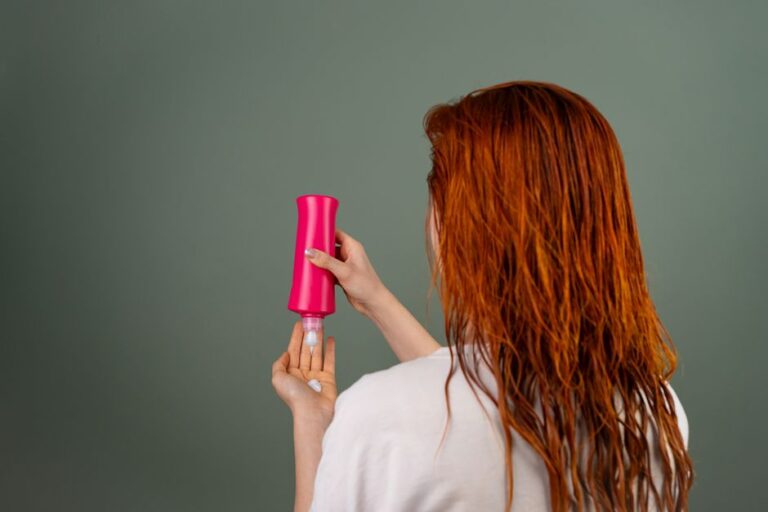
- Apply a leave-in conditioner to damp hair to seal in moisture.
- Finish with a few drops of hair oil or serum on the ends to smooth and add shine.
3. Dry it the right way
This step causes (or prevents) a huge amount of frizz:
- Never rough-towel-dry. Rubbing with a terry towel roughs up the cuticle. Blot and squeeze with a microfibre towel or an old cotton t-shirt instead.
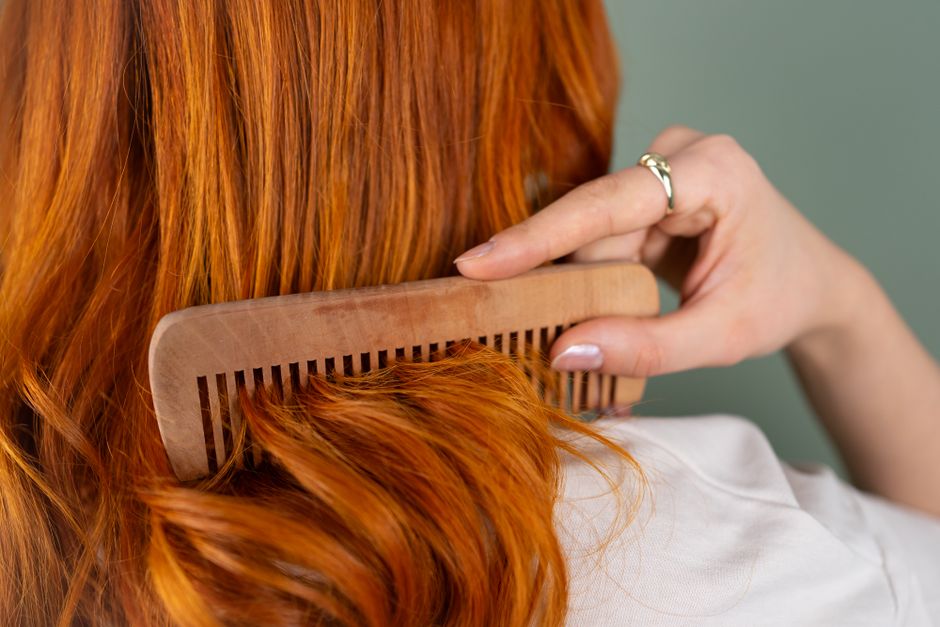
- Don't brush hair when it's wet and fragile — detangle gently with a wide-tooth comb and leave-in.
- If you blow-dry, use a nozzle pointing downward (to smooth the cuticle) and a heat protectant, and finish with a cool blast to seal.
4. Style to seal
- Apply a smoothing cream or anti-frizz serum to damp hair before styling.
- For air-drying, "scrunch and clump" rather than touching it as it dries (touching = frizz).
- A silk or satin pillowcase prevents overnight friction frizz.
- On humid days, a light anti-humidity finishing product creates a barrier.
Frizz fixes by hair type
- Fine hair: use lightweight serums and leave-ins — heavy oils weigh you down. A little goes a long way.
- Thick/coarse hair: richer creams and oils tame the volume and seal moisture.
- Curly hair: frizz and curls go hand in hand — embrace moisture, avoid touching while drying, and consider the curly girl method.
- Damaged hair: repair is key, because damaged cuticles can't lie flat. Lean on bond-repair and protein-moisture balance.
Quick fixes for surprise frizz
Caught out with frizz mid-day? Try:
- A pea-sized amount of hand cream or lip balm smoothed over flyaways (in a pinch).
- A dedicated flyaway/edge brush with a little serum or hairspray.
- Rubbing a drop of hair oil between your palms and gently smoothing over the surface.
- A boar-bristle brush to distribute natural oils down the strand.
Habits that secretly cause frizz
- Washing hair too often with stripping shampoos
- Rough towel-drying and brushing dry hair
- Skipping conditioner or leave-in
- High-heat styling without protection
- Touching curly/wavy hair as it air-dries
- Cotton pillowcases (friction overnight)
Frequently asked questions
Why is my hair so frizzy even when it's healthy?
Often humidity plus a lack of sealed-in moisture. Even healthy hair frizzes if the cuticle isn't smoothed and protected — use a leave-in and a finishing serum, especially in humid weather.
Does cutting my hair reduce frizz?
Trimming damaged, split ends helps, because frayed ends frizz most. It won't stop frizz entirely, but healthier ends behave better.
Is frizz a sign of dryness or damage?
Usually both — dry, damaged, or porous hair frizzes most because the cuticle is raised and absorbs humidity. Hydration and repair are the fix.
What's the single best anti-frizz product?
A good leave-in conditioner plus a smoothing serum or oil on the ends. Moisture in, then seal the surface — that combination tames most frizz.
The bottom line
Frizz is simply dry, raised-cuticle hair reaching for moisture in the air — so the answer is to hydrate deeply, seal the cuticle, and handle hair gently. Wash less with sulphate-free products, mask weekly, blot (never rub) dry, smooth in a leave-in and serum, and sleep on silk. Do that consistently and smooth, shiny, calm hair becomes your normal — humid days included.
Next: deep-condition with the best hair masks for damaged hair and embrace your texture with the curly girl method for beginners.
Read next

Related articles
- How to Find Your Perfect Foundation Shade (2026)
- The 5-Step Skincare Routine for Beginners (2026)
- The Complete Scalp Care Routine for Healthier, Fuller Hair
- How to Build an Anti-Aging Skincare Routine
- How to Get Glowing Skin Naturally: 12 Habits
- How to Strengthen Weak, Brittle Nails
The step most people skip
Frizz is usually thirsty hair pulling moisture from the air — hydration and sealing the cuticle help more than fighting it. Touching and brushing dry hair is what triggers most of it.
Further reading & trusted sources
Ava reads the ingredient list long before the marketing claims — what interests her is which actives are genuinely proven and which are just a pretty bottle and a big promise. She leads GlowNourish’s skincare, makeup and hair coverage with one simple test: would this advice still hold up if a dermatologist read it? Every guide is researched with the help of AI tools and then human-edited for accuracy — no invented ‘clinical results’ and no fake reviews. For a real skin concern, she’ll always point you to a professional.