 By Ava Sinclair, Beauty Editor
Reviewed & updated August 2026
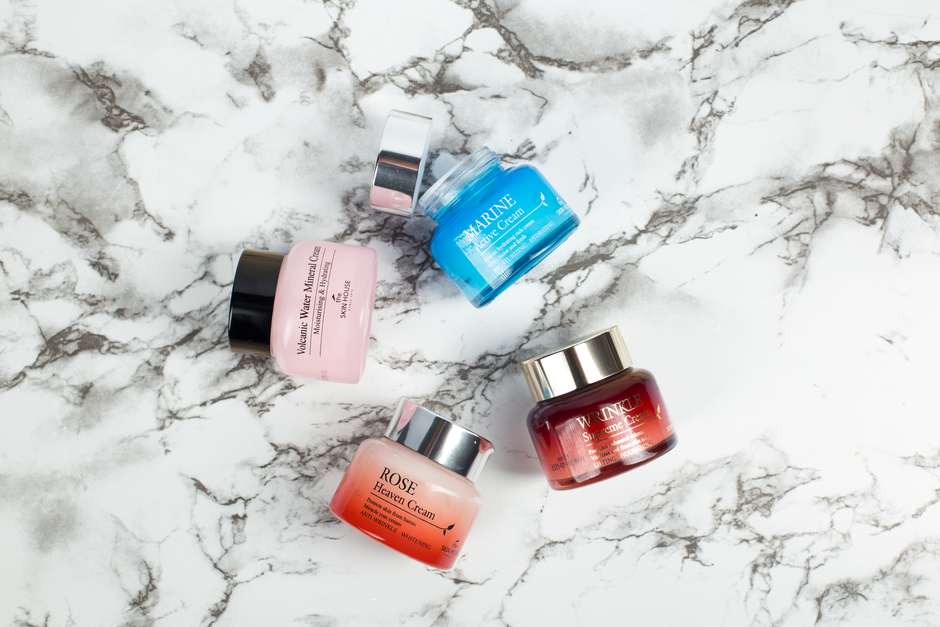
Glass skin — that impossibly smooth, luminous, translucent complexion that looks lit from within — has become the gold standard of Korean beauty. It's not a filter trick. It's a result of consistent, layered hydration and a skin barrier that's genuinely healthy. This guide walks you through exactly how to build a glass skin routine from the ground up.
This article provides general skincare information and is not a substitute for advice from a dermatologist. If you have a skin condition or persistent concerns, consult a qualified skin care professional.
 Skip ahead toCurated by Ava · 8 min read
What Is Glass Skin, Really?
Glass skin is a Korean beauty (K-beauty) concept describing skin that is so well-hydrated and smooth that it takes on a glassy, reflective quality — similar to holding a piece of glass up to light. The effect comes from several factors working together:
- A fully intact, nourished skin barrier
- Deep, layered hydration (not just surface moisture)
- Minimized pores and texture
- A natural, healthy glow — not an oily shine
The concept became a global phenomenon largely through Korean skincare philosophy, which treats skin as something to be maintained and celebrated rather than covered up.
The Foundation: Skin Barrier First
Before any glass skin routine will work, your skin barrier needs to be healthy. The skin barrier is the outermost layer of the epidermis, made up of skin cells and lipids that keep moisture in and irritants out.
Signs your barrier is compromised: redness, flakiness, tightness, sensitivity, or breakouts despite not changing anything in your routine.
To repair and protect your barrier:
- Avoid over-exfoliating (once or twice a week maximum)
- Use a gentle, pH-balanced cleanser
- Never skip moisturizer
- Use products with ceramides, fatty acids, and cholesterol — the building blocks of your barrier
Once your barrier is functioning well, every subsequent step in your routine becomes more effective. Hydration stays in, active ingredients penetrate properly, and the glow emerges naturally.
The Glass Skin Routine, Step by Step
Step 1: Double Cleanse
The cornerstone of K-beauty cleansing is the two-step double cleanse. It sounds like extra work but takes under three minutes.
Oil cleanser first: An oil-based cleanser melts sunscreen, makeup, and sebum. Massage onto dry skin for 60 seconds, then emulsify with water and rinse. Recommended options: a cleansing balm or lightweight cleansing oil.
Water-based cleanser second: Removes water-based impurities like sweat and pollution. Use a low-pH gel or foam cleanser. The goal is clean skin without that tight, stripped feeling — if your face feels "squeaky clean," the cleanser is too harsh.
Step 2: Exfoliate (2–3x per week only)
Exfoliation removes dead skin cells that dull the complexion and prevent hydration from absorbing properly. For glass skin, chemical exfoliants outperform physical scrubs.
- AHA (like glycolic or lactic acid): Dissolves surface dead cells, improves texture, evens tone
- BHA (salicylic acid): Oil-soluble, penetrates pores, excellent for acne-prone skin
Do not exfoliate daily. Over-exfoliation destroys your skin barrier — the opposite of what you want. Two to three times per week is plenty for most skin types.
Step 3: Tone and Balance
A toner is the first hydration layer and sets the foundation for everything that follows. K-beauty toners are not the alcohol-heavy astringents of Western skincare — they're lightweight, hydrating essences that prep skin to absorb subsequent layers.
Look for: hyaluronic acid, glycerin, niacinamide, green tea extract, centella asiatica, or beta-glucan. Apply with clean hands or a cotton pad, pressing gently into skin.
Step 4: Essence
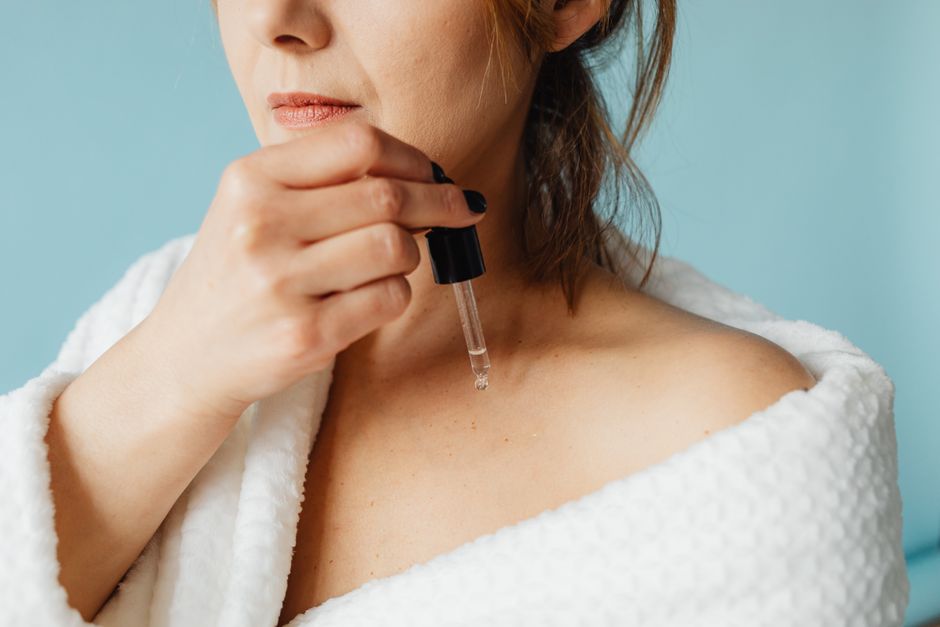
The essence is the heart of the K-beauty routine and arguably the step that separates glass skin from ordinary moisturized skin. Essences are lightweight, concentrated formulas packed with active ingredients — typically hydration, brightening, or anti-aging compounds.
Pat essence onto skin using the "7-skin method" if you want maximum hydration: apply a thin layer of essence or toner up to 7 times, letting each layer absorb before adding the next. This layering is what creates the plumped, glass-like effect.
Step 5: Serum or Ampoule (Targeted Treatment)
This is where you address specific concerns:
- Vitamin C serum (morning): Brightens, evens skin tone, boosts collagen, and provides antioxidant protection against UV damage
- Niacinamide: Minimizes pores, reduces redness, regulates oil production
- Hyaluronic acid serum: Deep hydration, especially effective on damp skin
- Snail mucin: Classic glass skin ingredient — hydrating, repairing, and skin-plumping
Use one or two serums maximum per routine to avoid ingredient conflict.
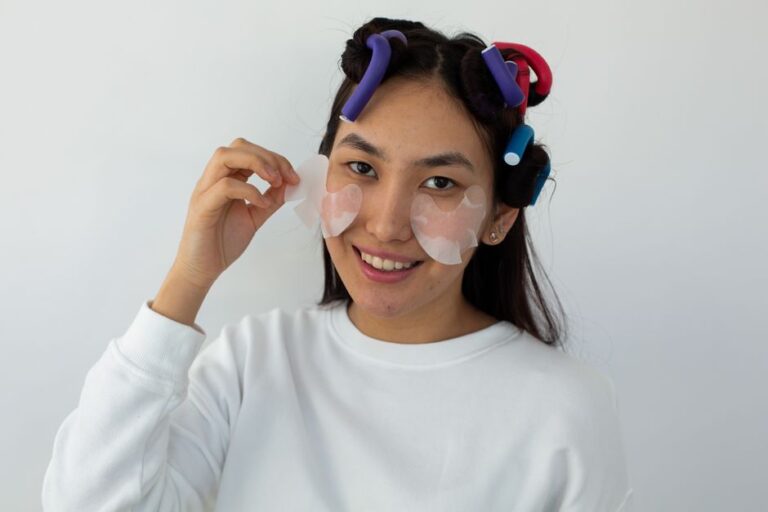
Step 6: Sheet Mask (2–3x per week)
Sheet masks are a glass skin accelerator. They deliver concentrated serum directly to the skin while occluding moisture. Use after essence, leave on 15–20 minutes, and press remaining essence into skin rather than rinsing.
The best sheet masks for glass skin contain hyaluronic acid, ceramides, peptides, or centella asiatica.
Step 7: Moisturize
Seal in every hydration layer with a moisturizer appropriate for your skin type.
- Oily or combination skin: Lightweight gel moisturizer (look for water-gel or aqua cream formulas)
- Normal to dry skin: Cream or balm moisturizer with ceramides and squalane
- Very dry skin: Layer a face oil (rosehip, jojoba, or squalane) on top of your moisturizer
The moisturizer is your occlusive layer — it slows evaporation and keeps all that hydration where it belongs.
Step 8: SPF (Morning Only, Non-Negotiable)
No glass skin routine is complete without SPF. UV damage is the leading cause of premature aging, hyperpigmentation, and barrier breakdown. Korean sunscreens are formulated to be cosmetically elegant — no white cast, no greasy finish.
Aim for SPF 30 minimum, SPF 50 preferred. Apply as the last step every single morning.
Ingredients That Create Glass Skin
| Ingredient | What It Does |
|---|---|
| Hyaluronic acid | Binds water to skin, plumps and hydrates |
| Glycerin | Draws moisture into the skin |
| Niacinamide | Minimizes pores, evens tone |
| Ceramides | Repairs and strengthens skin barrier |
| Snail mucin | Hydrates, repairs, and improves texture |
| Centella asiatica | Soothes, repairs, and calms redness |
| Vitamin C | Brightens, evens tone, boosts glow |
| Squalane | Lightweight oil that mimics skin's natural lipids |
Lifestyle Factors That Accelerate Glass Skin
Your routine matters enormously, but so does what happens outside of it.
Hydration: Drink enough water. Dehydrated skin cannot look glassy regardless of topical hydration.
Sleep: Skin repairs and regenerates primarily during deep sleep. Six hours shows on your face; eight hours does not.
Diet: Antioxidant-rich foods (berries, leafy greens, fatty fish) support skin from the inside out. Excess sugar and dairy worsen acne and inflammation in many people.
Consistency: Glass skin is a result of habits, not a single product. Three weeks of a consistent routine produces visible results; three months produces transformative ones.
The Takeaway
Glass skin is achievable for most people — it's less about genetics than about consistent, layered hydration and a healthy barrier. Start with the double cleanse, a hydrating toner, a lightweight essence, and SPF. Add serums and masks as your routine matures. The key is layering thin, absorbing textures rather than slapping on heavy products and hoping for the best. Give any new routine six to eight weeks before evaluating results — skin cell turnover takes time.
Frequently Asked Questions
Do I need to do all 8 steps every day?
No. A simplified daily version — cleanser, essence, moisturizer, SPF — will produce great results. The full routine is ideal for evenings or days when you want to go all-in. Consistency with fewer steps beats inconsistency with all eight.
How long does it take to get glass skin?
Most people see a noticeable hydration and glow improvement within 2–4 weeks of consistent layered hydration. Texture, pore appearance, and tone improvements take longer — typically 8–12 weeks.
Can oily skin achieve glass skin?
Yes. Oily skin is often dehydrated beneath the surface, and the instinct to strip it dry makes oil production worse. Layering lightweight hydration actually balances oil production for many people with oily skin types.
What's the most important single step for glass skin?
Barrier health and SPF. If your barrier is damaged, nothing else works properly. And without daily sun protection, you're undoing progress every time you step outside.
Read next


Related articles
- How to Get Rid of Dark Circles Under Your Eyes
- How to Build an Anti-Aging Skincare Routine
- How to Get Glowing Skin Naturally: 12 Habits
- The 8 Best Face Cleansers for Every Skin Type (2026)
- The 8 Best Face Sunscreens for Every Skin Type (2026)
- DIY Lip Scrub: 3 Easy Recipes for Soft, Smooth Lips
Further reading & trusted sources
The detail that matters most
Glass skin is mostly hydration and exfoliation over time, not one product — layering lightweight hydrating steps on damp skin is the real method. It’s a skin-health result, not a bottle you buy.
Ava reads the ingredient list long before the marketing claims — what interests her is which actives are genuinely proven and which are just a pretty bottle and a big promise. She leads GlowNourish’s skincare, makeup and hair coverage with one simple test: would this advice still hold up if a dermatologist read it? Every guide is researched with the help of AI tools and then human-edited for accuracy — no invented ‘clinical results’ and no fake reviews. For a real skin concern, she’ll always point you to a professional.