 By Ava Sinclair, Beauty Editor
Reviewed & updated August 2026
Tight, stinging, suddenly-reactive skin is almost always one thing: a damaged barrier, usually from over-exfoliating or piling on too many actives. The instinct is to add more products to fix it — which makes it worse. Repair is mostly about doing less, and these are the steps that calm it down.
This article provides general skincare information for educational purposes only, not medical advice. If you're experiencing persistent skin issues, consult a licensed dermatologist.
 Quick navigationCurated by Ava · 8 min read
- What Is the Skin Barrier and Why Does It Break?
- Step 1: Strip Your Routine Down to Basics
- Step 2: Choose the Right Barrier-Repair Ingredients
- Step 3: Change Your Cleansing Habits
- Step 4: Reintroduce Actives Slowly
- What Speeds Recovery vs. What Slows It
- A Realistic Timeline
- The Takeaway
- Related articles
- Further reading & trusted sources
What Is the Skin Barrier and Why Does It Break?
The skin barrier is the outermost layer of the epidermis — technically called the stratum corneum. Think of it as a brick wall: skin cells are the bricks, and a mixture of lipids (ceramides, cholesterol, fatty acids) are the mortar holding them together. When the mortar degrades, water escapes (called transepidermal water loss, or TEWL) and irritants enter more easily.
Common causes of barrier damage:
- Over-exfoliating — the most common cause; daily AHA/BHA use, combined with scrubs or Clarisonic, strips the lipid layer faster than it can regenerate
- Harsh cleansers — sulfate-heavy foaming cleansers strip natural oils; anything leaving skin feeling "squeaky clean" is probably overdoing it
- Low humidity environments — dry air accelerates TEWL, especially in winter
- Long hot showers — 15+ minutes in very hot water degrades the lipid layer
- Steroid overuse — prescription topical steroids can thin the barrier with prolonged use
- Fragrance and alcohol in skincare products — both are known sensitizers
The key signs of a compromised barrier: stinging when applying previously tolerated serums, redness or pink patches, skin feeling tight after washing, sudden breakouts or texture changes without any lifestyle change.
Step 1: Strip Your Routine Down to Basics
The most important thing you can do when your barrier is damaged is to stop doing things to it. For at least two weeks, cut everything except:
- A gentle, non-foaming cleanser (cream or micellar water)
- A bland, fragrance-free moisturizer rich in ceramides, cholesterol, and fatty acids
- SPF during the day (mineral/physical formula is less irritating than chemical)
That's it. Put away the retinol, vitamin C, acids, and actives. This isn't permanent — it's a repair phase.
Step 2: Choose the Right Barrier-Repair Ingredients
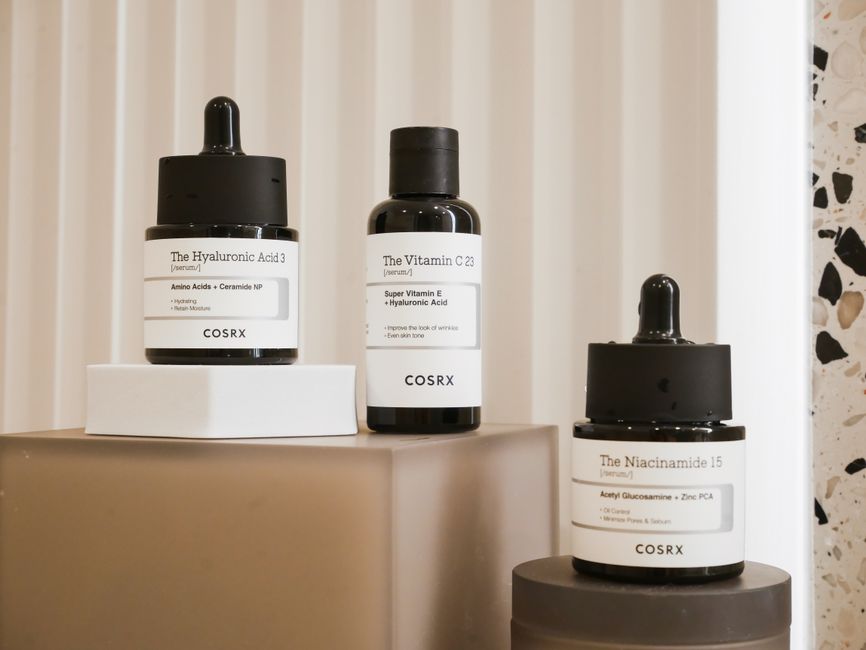
Not all moisturizers are equal for repair work. You want the three lipids that mirror what's actually in your barrier:
Ceramides — the dominant lipid in the stratum corneum; ceramide NP and AP are the most commonly used in skincare. Look for products that list ceramides in the top half of the ingredient list.
Cholesterol — works synergistically with ceramides; alone it doesn't do much, but as part of the ceramide-cholesterol-fatty acid trio it significantly accelerates barrier recovery according to studies published in the Journal of Investigative Dermatology.
Fatty acids — linoleic acid and palmitic acid in particular. Products containing sunflower oil, rosehip oil, or evening primrose oil deliver these naturally.
Glycerin and hyaluronic acid — humectants that draw water into the skin; pair them with an occlusive on top so the moisture doesn't evaporate.
Petrolatum (Vaseline) — the most effective occlusive available; applying a thin layer over your moisturizer at night dramatically reduces TEWL and accelerates barrier healing. It's non-comedogenic in clinical studies despite its reputation.
Step 3: Change Your Cleansing Habits
How you wash matters as much as what you apply:
- Lukewarm water only — hot water degrades lipids; even a moderate temperature reduction helps
- Cleanse once daily maximum — in the morning, just rinse with water; cleanse properly only in the evening
- Pat dry, don't rub — friction on a compromised barrier extends healing time
- Apply moisturizer while still slightly damp — this traps water in the skin before it evaporates
Many people with a damaged barrier actually benefit from going "no-wash" in the morning — just rinsing with cool water — especially during the repair phase.
Step 4: Reintroduce Actives Slowly
Once your barrier feels normal — no tightness, no stinging from basic products, no unusual redness — you can begin reintroducing actives. But do it one product at a time, with a week gap between introductions:
- Patch test first: inner arm or behind the ear for 48 hours
- Introduce frequency gradually: start with once a week, then every other day, then daily if applicable
- Never layer multiple new actives: if your skin reacts, you won't know which product caused it
Start with the mildest active in your previous routine (often a gentle niacinamide or low-percentage lactic acid) before working back to stronger acids or retinoids.
What Speeds Recovery vs. What Slows It
Speeds recovery:
- Sleeping in a humidified room (40–60% relative humidity)
- Applying occlusive at night (petrolatum or a thick balm)
- Keeping the skin undisturbed — minimal touching, no picking
- Staying hydrated internally (yes, this actually matters for skin water content)
Slows recovery:
- Any physical exfoliant (scrubs, cloths, Clarisonic)
- Any chemical exfoliant (AHA, BHA, PHA)
- Fragrance in any product, including essential oils
- Retinoids at their normal frequency
- Hot environments (saunas, hot yoga)
A Realistic Timeline
Most people with mild-to-moderate barrier damage see significant improvement within 7–14 days of the stripped-down routine. Full recovery — where the skin returns to its baseline resilience — typically takes 3–4 weeks. If you've been over-exfoliating for years, expect the longer end of that range.
If your skin isn't improving after four weeks of the basic routine, or if you're experiencing significant swelling, oozing, or extreme discomfort, see a dermatologist — there may be an underlying condition (eczema, contact dermatitis, or psoriasis) that needs separate treatment.
The Takeaway
Repairing a damaged skin barrier isn't complicated, but it requires doing less, not more. Stop the actives, reach for products that deliver ceramides and occlusives, and give your skin time. The barrier has a remarkable capacity to repair itself when you stop undermining it. Within a few weeks, you should be able to reintroduce your favorite actives without the stinging and sensitivity that signaled the damage.
Frequently Asked Questions
How do I know if my skin barrier is damaged or if I'm just having a reaction to one product?
A reaction to one product typically resolves within 24–72 hours of stopping that product. A compromised barrier presents as widespread sensitivity — multiple products sting or irritate, skin feels tight after washing, and the issue persists for more than a few days. If stopping one product fixes it, that's likely a product sensitivity, not a systemic barrier issue.
Is Vaseline/petrolatum safe for acne-prone skin?
Clinical research has repeatedly found petrolatum to be non-comedogenic — it doesn't penetrate the follicle opening and therefore doesn't cause breakouts. It sits on top of the skin as a seal. Many acne-prone people use it as a moisturizer with no issues. However, if you're personally sensitive to it, a ceramide balm (like a ceramide-rich butter formula) works similarly.
Can I use a face oil while repairing my barrier?
Some oils — particularly those high in linoleic acid like rosehip or squalane — are genuinely beneficial for the barrier and are appropriate during repair. Avoid fragrant oils (lavender, rose, citrus-based) which can be sensitizing. Coconut oil is high in oleic acid and can be problematic for acne-prone skin; it's best skipped.
How often can I exfoliate once my barrier is recovered?
For most skin types, 2–3 times per week with a gentle exfoliant is sustainable. Daily exfoliation is rarely necessary and is the most common cause of barrier damage in the first place. Less is consistently more with chemical exfoliants.
Read next


Related articles
- DIY Coffee Under-Eye Serum for Dark Circles & Puffiness
- 9 Best Vitamin C Serums for Glowing Skin (2026)
- The 5-Step Skincare Routine for Beginners (2026)
- The Double Cleansing Method Explained (Do You Need It?)
- “Skin Cycling: The Routine Method Explained”
- How to Exfoliate Your Skin Safely (Without Overdoing It)
Further reading & trusted sources
Worth knowing before you start
A damaged barrier often improves fastest when you stop everything rather than adding targeted treatments — the instinct to ‘treat’ it with new products is usually what caused the damage in the first place. Two weeks of just a gentle cleanser and a ceramide moisturiser restores more than most repair-marketed serums.
Ava reads the ingredient list long before the marketing claims — what interests her is which actives are genuinely proven and which are just a pretty bottle and a big promise. She leads GlowNourish’s skincare, makeup and hair coverage with one simple test: would this advice still hold up if a dermatologist read it? Every guide is researched with the help of AI tools and then human-edited for accuracy — no invented ‘clinical results’ and no fake reviews. For a real skin concern, she’ll always point you to a professional.