 By Ava Sinclair, Beauty Editor
Reviewed & updated August 2026
As an Amazon Associate, GlowNourish earns from qualifying purchases. We only recommend products we would suggest to a friend — see our Affiliate Disclosure.
This article contains links to products we recommend. GlowNourish may earn a commission from some links, at no extra cost to you — see our Affiliate Disclosure. It is general information, not medical advice.
Vitamin C is the closest thing skincare has to a daily multivitamin for your face — it brightens dullness, fades dark spots, and helps shield against the pollution and UV that age skin fastest. The catch is that it’s famously unstable, so the bottle and formula matter as much as the ingredient itself. Here are the serums that actually deliver.
We've cut through it. Below are nine genuinely good vitamin C serums for every skin type and budget, plus a plain-English guide to the forms, percentages, and how to use it without irritation.
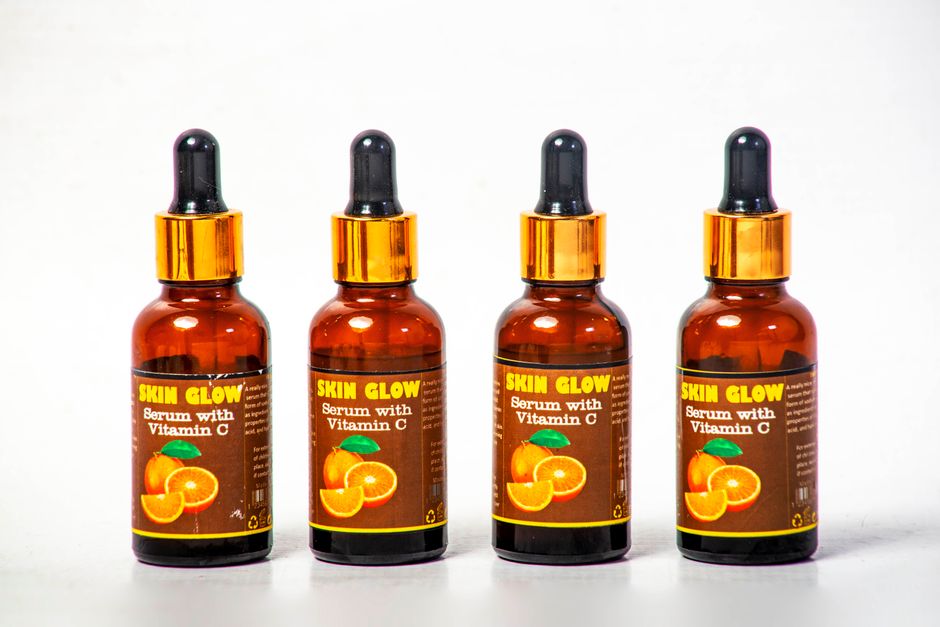
Our top picks at a glance:
- 🏆 Best overall: A 15% L-ascorbic acid serum with vitamin E + ferulic acid — Check price on Amazon →
- 💸 Best budget: A 10% vitamin C + hyaluronic serum — Check price on Amazon →
- 🌿 Best for sensitive skin: A gentle THD ascorbate serum — Check price on Amazon →
Jump to a sectionCurated by Ava · 12 min read- Why vitamin C is worth it
- How to choose a vitamin C serum
- The 9 best vitamin C serums
- How to use vitamin C (without irritation)
- What to pair vitamin C with (and what to avoid)
- Signs it’s working — and when to switch
- Common vitamin C mistakes to avoid
- The bottom line
- Related articles
- Further reading & trusted sources
Why vitamin C is worth it
Vitamin C is one of the most studied skincare ingredients, and the benefits are real: it's an antioxidant that neutralises free radicals from UV and pollution, it helps fade hyperpigmentation by interfering with excess melanin production, and it supports collagen — which keeps skin looking firm and bright. Used in the morning under sunscreen, it's a genuine multiplier for glow and even tone.
It is not, however, a miracle in a bottle (no serum is). It works gradually, over 8–12 weeks of consistent use, and it works best as part of a complete routine — see our 5-step skincare routine for beginners.
How to choose a vitamin C serum
The form matters more than the brand. Here's the honest rundown:
- L-ascorbic acid (LAA) is the gold-standard, most-researched form. Most effective, but less stable — it can oxidise. Look for it paired with vitamin E and ferulic acid, which boost it and improve stability, in opaque or dark glass packaging.
- Tetrahexyldecyl ascorbate (THD) is a gentle, oil-soluble derivative — more stable, far less likely to sting, lovely for sensitive or dry skin (though usually pricier).
- Sodium ascorbyl phosphate / magnesium ascorbyl phosphate are gentle, stable derivatives that also help with breakouts — good for oily, acne-prone, or reactive skin.
Percentage: 10–20% LAA is the effective range. Beginners should start at 10% and work up. Higher isn't always better — above 20% you get more irritation, not more benefit.
Packaging: Vitamin C hates light and air. Choose dark glass or an airless pump. If a serum has turned dark orange or brown, it has oxidised — toss it.

The 9 best vitamin C serums
| Category | Our pick | Best for |
|---|---|---|
| 🏆 Best overall | 15% L-ascorbic acid + vitamin E + ferulic acid | Most people wanting visible brightening |
| 💸 Best budget | 10% vitamin C + hyaluronic acid | First-time vitamin C users and tight budgets |
| 🌿 Best for sensitive skin | THD ascorbate serum | Sensitive, dry, or reactive skin |
| 💧 Best for oily skin | Sodium ascorbyl phosphate serum | Oily and acne-prone skin |
| ✨ Best for dark spots | 20% vitamin C + ferulic | Persistent dark spots and uneven tone |
| 🌸 Best for mature skin | Vitamin C + peptides | Mature skin wanting glow plus firmness |
| 🧴 Best lightweight texture | Vitamin C + niacinamide | Combination skin wanting a do-it-all serum |
| 🌙 Best splurge | Premium stabilised vitamin C | Those who want a luxe routine |
| 🍊 Best with SPF synergy | Antioxidant day serum | Daily antioxidant protection |
🏆 Best overall: 15% L-ascorbic acid + vitamin E + ferulic acid
This classic combination is what dermatologists reach for. The 15% L-ascorbic acid does the heavy lifting on brightness and tone, while vitamin E and ferulic acid stabilise it and amplify the antioxidant effect. In dark glass, it stays potent for months.
- Best for: Most people wanting visible brightening.
- Pros: Proven combo, strong results, good value mid-range.
- Cons: Can tingle at first; must be stored away from light.
💸 Best budget: 10% vitamin C + hyaluronic acid
Proof you don't need to spend a fortune. A straightforward 10% vitamin C with hydrating hyaluronic acid is a perfect entry point — gentle enough for beginners, effective enough to see a glow within weeks.
- Best for: First-time vitamin C users and tight budgets.
- Pros: Affordable, gentle, hydrating.
- Cons: Lower potency means slower results.
🌿 Best for sensitive skin: THD ascorbate serum
If L-ascorbic acid stings you, this is the answer. Tetrahexyldecyl ascorbate is oil-soluble, exceptionally stable, and non-irritating — it brightens without the tingle, and suits dry and reactive skin beautifully.
- Best for: Sensitive, dry, or reactive skin.
- Pros: No sting, very stable, silky texture.
- Cons: Pricier; results are subtle and slow.
💧 Best for oily skin: Sodium ascorbyl phosphate serum
A lightweight, water-based derivative that brightens and has mild benefits for blemish-prone skin. Absorbs fast with no greasy finish.
- Best for: Oily and acne-prone skin.
- Pros: Stable, lightweight, blemish-friendly.
- Cons: Gentler effect on dark spots than LAA.
✨ Best for dark spots: 20% vitamin C + ferulic
For stubborn hyperpigmentation and post-acne marks, a higher-strength 20% formula with ferulic acid steps up the fading power. Best for experienced users whose skin already tolerates vitamin C.
- Best for: Persistent dark spots and uneven tone.
- Pros: Strong, fast-acting on pigmentation.
- Cons: More likely to irritate; not for beginners.
🌸 Best for mature skin: Vitamin C + peptides
Pairing vitamin C with peptides targets brightness and firmness — a smart combination for skin that's also focused on fine lines and bounce.
- Best for: Mature skin wanting glow plus firmness.
- Pros: Dual-action, comfortable to wear.
- Cons: Premium price.
🧴 Best lightweight texture: Vitamin C + niacinamide
A modern combo that brightens while niacinamide calms redness and regulates oil. (The old "you can't mix C and niacinamide" myth has been debunked — they layer fine.)
- Best for: Combination skin wanting a do-it-all serum.
- Pros: Calming, balancing, lightweight.
- Cons: Lower vitamin C percentage in many versions.
🌙 Best splurge: Premium stabilised vitamin C
If you want the most elegant texture and packaging with a well-stabilised, high-performance formula, a premium serum delivers — though you're paying partly for the experience.
- Best for: Those who want a luxe routine.
- Pros: Beautiful texture, stable, effective.
- Cons: Expensive for the active you get.
🍊 Best with SPF synergy: Antioxidant day serum
Some serums combine vitamin C with other antioxidants (vitamin E, ferulic, resveratrol) specifically as a daytime "shield." Worn under sunscreen, they give your skin extra defence against daily UV and pollution.
- Best for: Daily antioxidant protection.
- Pros: Layered antioxidants, great morning step.
- Cons: Best paired with — never a replacement for — sunscreen.
How to use vitamin C (without irritation)
- When: Morning is ideal — it pairs with sunscreen for antioxidant protection. (You can use it at night; just not at the same time as other strong actives.)
- How much: 3–4 drops, after cleansing and before moisturiser.
- Order: Cleanse → vitamin C → moisturiser → sunscreen (always finish your morning with SPF).
- Ease in: Start every other day, then daily as your skin adjusts.
- Don't pile on actives: Avoid using high-strength vitamin C at the exact same time as retinol or strong exfoliating acids — alternate them (C in the AM, retinol in the PM) to prevent irritation.
- Patch test first, especially with higher percentages.
What to pair vitamin C with (and what to avoid)
Vitamin C plays well with most of your routine, but a few combinations matter:
- Pair with sunscreen (always). This is the power couple. Vitamin C mops up free radicals that slip past your SPF, so the two together protect far better than either alone. Vitamin C is not a sunscreen — it's the antioxidant sidekick to one.
- Pair with hyaluronic acid. Layer a hydrating serum after your vitamin C to lock in moisture and offset any dryness.
- Pair with niacinamide. Despite the old myth, they coexist happily and even complement each other — niacinamide calms, vitamin C brightens.
- Be careful with strong exfoliating acids (AHA/BHA). Using a high-strength vitamin C at the same moment as glycolic or salicylic acid can over-acidify and irritate. Alternate them — acids one night, vitamin C in the morning.
- Separate from retinol by time of day. Vitamin C in the AM, retinol in the PM. Both are brilliant; both can irritate if piled together at full strength.
Signs it's working — and when to switch
Give any vitamin C a fair 8–12 weeks, then look for the tells that it's earning its place: a subtle overall brightness or "glow," dark spots and post-acne marks looking lighter and less defined, and a more even, uniform tone. These are gradual — compare a photo from today with one in two months rather than judging day to day.
Signs you should switch products: persistent stinging, redness, or breakouts (the formula or percentage is too strong for you — drop to a gentler derivative like THD or a lower %), or a serum that keeps oxidising to brown within weeks (poor formulation or packaging — choose dark glass or an airless pump next time). And if you've used a well-formulated serum diligently for three months with zero change, it's reasonable to try a different form rather than a higher price.
Common vitamin C mistakes to avoid
Even a great serum underperforms if you make these slips:
- Using it and skipping sunscreen. Vitamin C without daily SPF is a half-finished job — you're protecting against damage in the morning, then leaving skin exposed. Always finish with sunscreen.
- Expecting overnight miracles. This is a marathon ingredient. Judging it after a week and giving up is the most common reason people think "it didn't work."
- Storing it on a sunny windowsill or in a clear bottle. Light and air destroy vitamin C. Keep it in dark glass, lid tight, somewhere cool.
- Layering it with every other active at once. Piling vitamin C, retinol, and acids together in one sitting is a recipe for irritation, not faster results. Space them out.
- Going straight to 20%. Higher percentages mean more irritation, not automatically more benefit. Build up from 10–15%.
- Applying it to damp skin and chasing a sting. A little tingle can be normal, but apply to dry skin and start slow; burning is a sign to dial back.
- Buying purely on price — either direction. A $90 serum isn't automatically better, and a suspiciously cheap one may be under-dosed or poorly stabilised. Formula and packaging matter more than the number on the box.
Avoid these and a modest, well-formulated serum will outperform an expensive one used carelessly.
Frequently asked questions
When will I see results?
Brightness and glow can appear within 2–4 weeks; fading of dark spots takes 8–12 weeks of consistent daily use. Patience pays off.
Can I use vitamin C with retinol?
Yes, but ideally at different times — vitamin C in the morning, retinol at night. Using both at full strength together can irritate sensitive skin.
Can I use vitamin C with niacinamide?
Yes. The idea that they "cancel out" is an outdated myth. Many excellent serums combine them.
My serum turned brown — is it still good?
No. A brown or dark-orange tint means the vitamin C has oxidised and lost potency (and may slightly stain skin). Replace it, and store the next one away from light and heat.
Is vitamin C safe during pregnancy?
Vitamin C is generally considered pregnancy-friendly, but always confirm your full routine with your doctor.
The bottom line
For most people, a 15% L-ascorbic acid serum with vitamin E and ferulic acid is the best all-round choice — proven, effective, and reasonably priced. Sensitive skin should reach for a gentle THD ascorbate, oily skin for sodium ascorbyl phosphate, and beginners for an affordable 10% to start. Whatever you choose, use it every morning, finish with sunscreen, and give it a couple of months.
🏆 Top pick: 15% Vitamin C + Ferulic Serum — Check price on Amazon →
Next, build the routine around it with our 5-step skincare routine for beginners, or learn how to find your perfect foundation shade.
Read next

Related articles
- The Best Skincare Routine for Oily, Acne-Prone Skin
- “Niacinamide: Benefits, How to Use It, and What to Pair It With”
- How to Get Rid of Blackheads Safely
- How to Repair a Damaged Skin Barrier
- Peptides in Skincare: What They Do and How to Use Them
- How to Get Glass Skin: The Korean Beauty Routine That Actually Works
Further reading & trusted sources
What actually makes the difference
Vitamin C is finicky — it degrades with light and air, so packaging matters and a browned serum has already gone off. Introduce it slowly; it can sting skin that isn’t used to it.
Ava reads the ingredient list long before the marketing claims — what interests her is which actives are genuinely proven and which are just a pretty bottle and a big promise. She leads GlowNourish’s skincare, makeup and hair coverage with one simple test: would this advice still hold up if a dermatologist read it? Every guide is researched with the help of AI tools and then human-edited for accuracy — no invented ‘clinical results’ and no fake reviews. For a real skin concern, she’ll always point you to a professional.