 By Ava Sinclair, Beauty Editor
Reviewed & updated August 2026
Dry skin isn't just about tightness and flaking — it's your skin's barrier telling you it needs more support. The right skincare routine for dry skin goes beyond slapping on any moisturizer; it's about layering hydration, locking in moisture, and choosing ingredients that work with your skin's natural repair cycle rather than against it.
This article provides general skincare information and is not medical advice. If you have a skin condition like eczema or psoriasis, consult a dermatologist.
 Jump to a sectionCurated by Ava · 7 min read
Understanding What Dry Skin Actually Needs
Dry skin (as a skin type, not a condition) produces less sebum than normal or oily skin. That means your natural moisture barrier has fewer lipids to work with, making it more susceptible to moisture loss — especially in heated or air-conditioned indoor environments.
What your skin needs:
- Humectants to draw moisture in (hyaluronic acid, glycerin, aloe)
- Emollients to smooth and fill gaps in the barrier (ceramides, squalane, fatty acids)
- Occlusives to seal everything in (shea butter, petroleum jelly, dimethicone)
The layering order matters — lightest to heaviest, always.
Morning Routine for Dry Skin
Step 1: Gentle, non-foaming cleanser
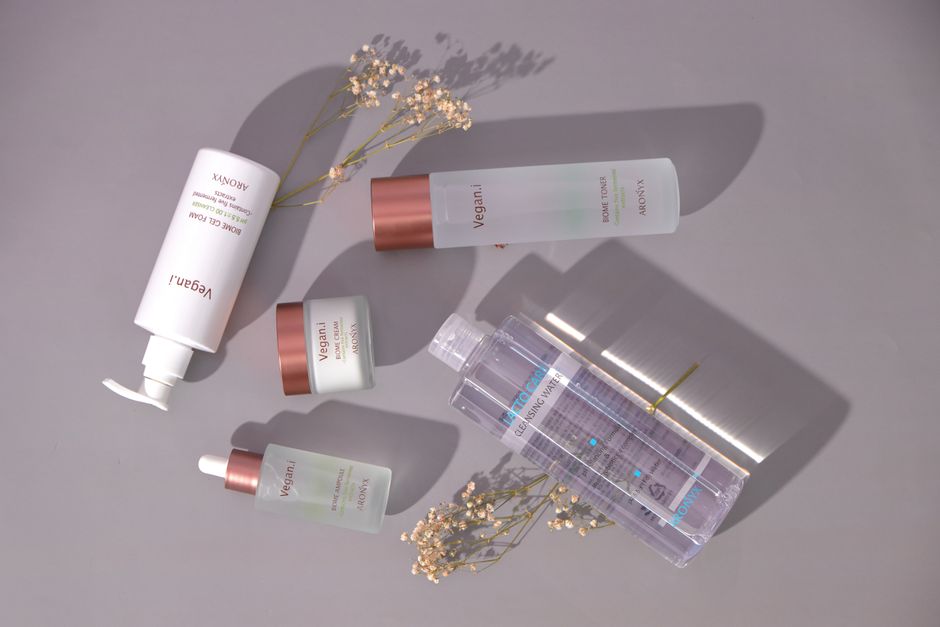
Foaming cleansers strip the little sebum dry skin has. Opt for cream, milk, or micellar cleansers. Look for cleansers with glycerin in the top ingredients. Cream-formula cleansers that rinse clean without that "squeaky" feeling are your gold standard.
Step 2: Hydrating toner or essence
Apply while your face is still slightly damp. A hydrating toner (not the astringent kind) adds the first hydration layer. Look for glycerin, hyaluronic acid, or beta-glucan. Pat in gently — never swipe.
Step 3: Serum (hyaluronic acid or peptides)
A hyaluronic acid serum applied to damp skin pulls atmospheric moisture into your skin. Peptide serums support skin barrier repair over time. Either works well for dry skin; both together is better.
Step 4: Moisturizer
This is your workhorse step. Dry skin benefits from a rich, creamy moisturizer with ceramides (repair), glycerin (hydration), and fatty acids (barrier support). Apply to slightly damp skin to lock in the layers underneath. Brands like CeraVe Moisturizing Cream, La Roche-Posay Toleriane Riche, and Vanicream are consistently well-reviewed.
Step 5: Sunscreen (SPF 30 or higher)
UV damage worsens dryness and impairs barrier function. Look for sunscreens with moisturizing bases — many mineral sunscreens have a rich, creamy texture that works as an extra moisture layer.

Evening Routine for Dry Skin
The evening routine is where real repair happens — your skin's renewal rate is higher at night.
Step 1: Double cleanse (if wearing SPF or makeup)
First, an oil-based cleanser or micellar water to lift SPF and makeup. Then a gentle cream cleanser to wash clean. If you skipped SPF and makeup, one gentle cleanse is enough. Never go to bed with sunscreen residue — it can clog pores.
Step 2: Hydrating toner or essence
Same as morning. Pat into damp skin.
Step 3: Active treatments (2–3 nights per week)
Dry skin can still benefit from actives — just use them carefully. Options:
- Retinol (low strength): speeds cell turnover and supports collagen. Start with 0.025%–0.05%, once or twice weekly. Always follow with extra moisturizer.
- AHAs (lactic acid, glycolic acid): exfoliate dead skin that contributes to flakiness. Lactic acid is particularly well-suited to dry skin as it's also a humectant.
Skip actives on nights your skin feels irritated or compromised.
Step 4: Richer night cream or occlusive layer
At night, go richer. A heavier night cream with shea butter, peptides, or ceramides does the repair work while you sleep. For very dry skin, the "slugging" technique — a thin layer of petroleum jelly or a thick occlusive balm as the final step — is a legitimate way to prevent overnight moisture loss.
Weekly Additions for Dry Skin
Hydrating face mask (1–2x week): Sheet masks or wash-off hydrating masks add an intensive moisture burst. Look for masks with glycerin, hyaluronic acid, or centella asiatica. Leave on for 15–20 minutes, then pat in any remaining serum rather than rinsing it off.
Gentle physical exfoliation (1x week max): A soft muslin cloth used during cleansing is enough physical exfoliation for most dry skin types. Avoid grainy scrubs — they create micro-tears in an already-compromised barrier.
Ingredients to Look For (Dry Skin Favorites)
| Ingredient | What it does |
|---|---|
| Hyaluronic acid | Pulls moisture into the skin |
| Glycerin | Humectant, retains moisture |
| Ceramides | Restores the skin barrier |
| Squalane | Lightweight emollient, mimics natural oils |
| Shea butter | Rich occlusive, seals moisture in |
| Lactic acid | Exfoliates + adds humectant benefit |
| Centella asiatica | Soothes and supports barrier repair |
| Peptides | Stimulates collagen, aids repair |
Ingredients to Avoid
- High-alcohol formulas (denatured alcohol high on the ingredient list) — drying and damaging to the barrier
- Fragrance (especially synthetic) — common irritant that worsens dryness
- Foaming sulfates (sodium lauryl sulfate, ammonium lauryl sulfate) in cleansers
- High-strength retinoids without a gradual introduction — dry skin reacts more intensely
Lifestyle Habits That Help Dry Skin
Your routine matters, but so does what happens around it:
- Lukewarm water only — hot showers and hot face washing strip oils fast
- Pat, don't rub — patting your face dry preserves the moisture you just put in
- Humidifier in winter — heated indoor air drops humidity to 20–30%, which pulls moisture from your skin; a basic humidifier at 40–50% humidity makes a real difference
- Drinking water — hydration matters, though it's not a substitute for topical moisturizer; both are necessary
The Takeaway
A dry-skin routine succeeds when it prioritizes layered hydration (humectant + emollient + occlusive), avoids stripping ingredients, and stays consistent. The biggest mistake most dry-skin types make is using the wrong cleanser — if your face feels tight after washing, the cleanser is too harsh, and no amount of moisturizer fully compensates. Start there, then build the layering habit. Improvement in texture and comfort typically shows in 2–4 weeks of consistent routine use.
Frequently Asked Questions
How many times a day should I moisturize dry skin?
Twice daily minimum — morning and night. If your skin feels tight midday, a hydrating mist or light moisturizer applied over any makeup can help bridge the gap.
Can I use hyaluronic acid on dry skin?
Yes, but always apply it to damp skin, not dry skin. On a very dry face, hyaluronic acid can actually pull moisture from deep skin layers if there's no surface moisture for it to attract. Mist your face first, apply, then seal with moisturizer.
Is it normal for dry skin to flake even with moisturizer?
If you're moisturizing consistently and still seeing flakes, your exfoliation is too low. Add a weekly lactic acid treatment (AHA) to remove the built-up dead skin cells that make dry skin look rough.
What's the difference between dry skin and dehydrated skin?
Dry skin is a skin type — it produces less oil. Dehydrated skin is a skin condition — it lacks water and can affect any skin type, including oily skin. Dry skin benefits from oils and occlusives; dehydrated skin primarily needs humectants. Many people have both simultaneously.
Read next


Related articles
- Hyaluronic Acid: The Hydration Hero Explained
- The Korean Skincare Routine, Simplified
- Retinol for Beginners: Start Without Irritation
- How to Get Rid of Acne: A Complete, Honest Guide
- DIY Coffee Under-Eye Serum for Dark Circles & Puffiness
- 9 Best Vitamin C Serums for Glowing Skin (2026)
Further reading & trusted sources
A small change with a big payoff
The most common dry-skin routine mistake is applying moisturiser to fully dry skin — occlusives and creams lock in whatever water is present, so on dry skin they seal in very little. Applying within a minute of cleansing, while skin is still damp, is the single change that makes the same products noticeably more effective.
Ava reads the ingredient list long before the marketing claims — what interests her is which actives are genuinely proven and which are just a pretty bottle and a big promise. She leads GlowNourish’s skincare, makeup and hair coverage with one simple test: would this advice still hold up if a dermatologist read it? Every guide is researched with the help of AI tools and then human-edited for accuracy — no invented ‘clinical results’ and no fake reviews. For a real skin concern, she’ll always point you to a professional.