 By Ava Sinclair, Beauty Editor
Reviewed & updated September 2026
If your skin is shiny by noon, your foundation slides off by 2 PM, and breakouts seem to appear out of nowhere, you're dealing with oily, acne-prone skin — one of the most misunderstood skin types in skincare. The instinct is to strip the oil away. The reality? Over-cleansing and harsh products are often what's making your skin oilier and more reactive in the first place. This guide gives you an honest, dermatologist-aligned routine that actually works.
This article shares general skincare information for educational purposes only. It is not a substitute for advice from a qualified dermatologist or physician. If you have persistent acne or skin concerns, consult a professional.
 Quick navigationCurated by Ava · 9 min read
- Why Oily Skin Produces Excess Sebum
- Step 1: Cleanser — Gentle Is the Rule, Not the Exception
- Step 2: Toner — Skip the Astringent, Choose Balancing
- Step 3: Serum — Target the Root Issues
- Step 4: Moisturizer — Yes, Oily Skin Needs One
- Step 5: SPF — Non-Negotiable, Every Morning
- Step 6: Targeted Spot Treatment (Use Sparingly)
- What to Cut From Your Routine Right Now
- The Takeaway
- Related articles
- Further reading & trusted sources
Why Oily Skin Produces Excess Sebum
Sebum production is controlled by genetics, hormones (particularly androgens), humidity, and — critically — how you treat your skin. When you strip the skin's natural oils with harsh cleansers or alcohol-based toners, the sebaceous glands compensate by producing more oil. This is called reactive sebum overproduction, and it's the cycle that traps most oily-skin types.
The goal isn't to eliminate oil. Sebum protects your skin barrier, keeps it hydrated, and prevents moisture loss. The goal is to regulate production while keeping pores clear of the comedones (clogged pores) that become blackheads and pimples.
Step 1: Cleanser — Gentle Is the Rule, Not the Exception
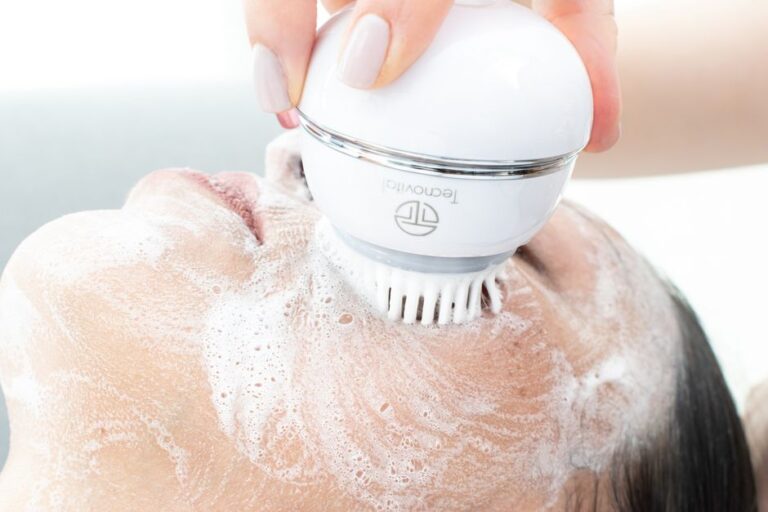
What to use: a gentle, pH-balanced foaming cleanser (no soap bars, no heavy surfactants like sodium lauryl sulfate at high concentrations). Look for cleansers formulated at a pH of 4.5–5.5, which matches skin's natural acidic mantle.
Key ingredients to look for: salicylic acid (BHA) at 0.5–2% is excellent in a cleanser for oily skin — it's oil-soluble, meaning it penetrates the pore lining to dissolve the mixture of dead skin cells and sebum that clogs pores. Niacinamide-based cleansers are also good for sebum regulation.
What to avoid: physical scrubs (microbeads, apricot kernels), high-foam foaming cleansers that leave skin feeling "squeaky clean" (that feeling = disrupted barrier), and anything with a high fragrance load.
Frequency: twice daily. Morning cleansing removes overnight sebum buildup; evening cleansing removes sunscreen, makeup, and daytime pollution. If you exercise, cleanse after your workout regardless of time of day.
Step 2: Toner — Skip the Astringent, Choose Balancing
Traditional alcohol-based astringent toners are among the worst things you can put on oily skin. They do remove oil temporarily — but they damage the skin barrier, trigger reactive sebum production, and increase sensitivity. Avoid them.
What to use instead: hydrating, low-alcohol or alcohol-free toners that contain skin-balancing actives.
Top ingredients for oily skin toners:
- Niacinamide (5–10%): regulates sebum production, tightens the appearance of pores, reduces post-acne marks.
- Witch hazel (without alcohol): mild astringent effect without barrier damage when formulated correctly.
- Glycolic acid (5–7%): gentle AHA exfoliation that clears dead skin cell buildup; use at night only.
- Green tea extract: antioxidant, anti-inflammatory, mild sebum regulation.
Apply with clean hands or a soft cotton pad, pressing into skin rather than dragging.
Step 3: Serum — Target the Root Issues
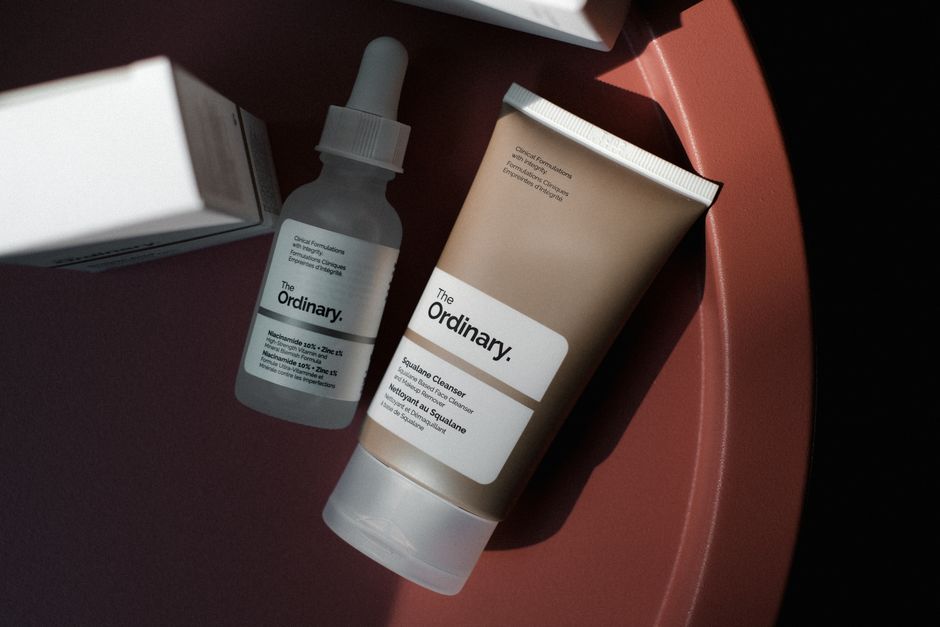
Oily, acne-prone skin benefits most from serums that address two issues simultaneously: active breakouts and post-breakout hyperpigmentation. Because of how common PIH (post-inflammatory hyperpigmentation) is with this skin type, your serum choice matters.
Best serum actives for oily/acne skin:
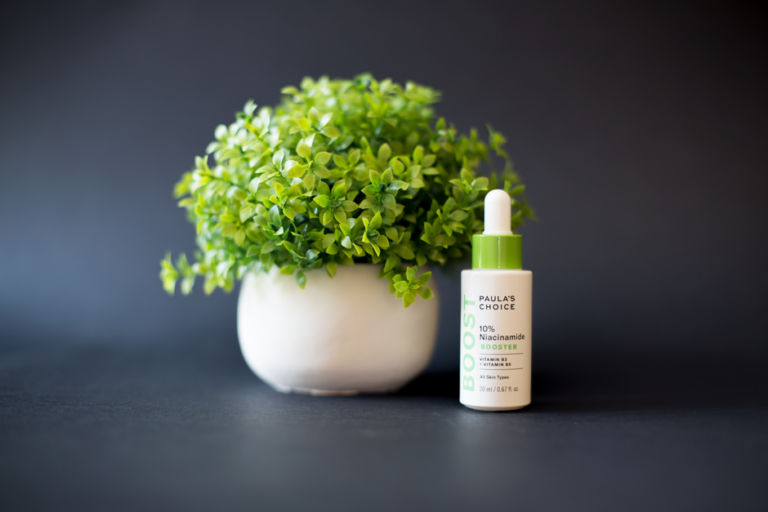
- Niacinamide (10%): if your toner doesn't already contain it at this level, a standalone niacinamide serum is a great addition. Works day and night.
- Azelaic acid (10–20%): anti-inflammatory, antibacterial, fades dark spots, regulates keratin production. Excellent for acne-prone skin; can be used morning or night.
- Retinol or retinaldehyde: increases cell turnover, unclogs pores, prevents new breakouts over time. Start with 0.025–0.05% and use at night only, every other night to start.
- Vitamin C (L-ascorbic acid, 10–15%): antioxidant protection, fades PIH. Use in the morning before SPF. Note: unstable in formulas — choose a water-free or anhydrous formula for stability.
Don't layer all of these at once. A simple, effective stack is niacinamide serum morning + retinol or azelaic acid evening.
Step 4: Moisturizer — Yes, Oily Skin Needs One
This is the step most oily-skin types skip — and it's a mistake. When skin is dehydrated (lacking water, not oil), it actually produces more sebum to compensate. A proper lightweight moisturizer supplies water without adding occlusive oil that clogs pores.
What to look for: gel-based or water-gel moisturizers, labeled "oil-free" and "non-comedogenic." Key hydrating ingredients: hyaluronic acid, glycerin, aloe vera. These are humectants — they attract water from the environment into the skin without adding oil.
What to avoid: heavy creams with shea butter, coconut oil, or mineral oil at the top of the ingredient list. These are comedogenic for many oily skin types.
Apply a pea-to-dime-sized amount morning and evening after your serum has absorbed (about 60 seconds of wait time).
Step 5: SPF — Non-Negotiable, Every Morning
UV exposure worsens hyperpigmentation from breakouts and accelerates skin aging — and oily-skin types often skip sunscreen because traditional formulas feel greasy. Modern SPF formulations for oily skin have solved this problem.
What to look for: SPF 30 minimum (SPF 50 preferred), labeled "oil-free," "matte-finish," or "dry-touch." Chemical sunscreens (with avobenzone, octinoxate, or tinosorb) tend to feel lighter on oily skin than physical/mineral ones.
Practical tip: if you layer SPF over moisturizer, wait 2 minutes between steps for the moisturizer to absorb before applying SPF. This prevents pilling.
Step 6: Targeted Spot Treatment (Use Sparingly)
For active breakouts, targeted spot treatments applied only to the blemish — not to the whole face — are more effective and less drying than covering your face with acne products.
Effective options:
- Benzoyl peroxide (2.5–5%): kills the C. acnes bacteria that cause inflamed pimples. Use at 2.5% — just as effective as higher concentrations with less irritation. Note: bleaches fabric.
- Salicylic acid spot gel (2%): better for non-inflamed blackheads and whiteheads; unclogs the pore rather than killing bacteria.
- Sulfur treatments: old-school but effective; absorbs oil, antimicrobial, less irritating than benzoyl peroxide for sensitive oily skin.
Apply only to the blemish. Don't stack spot treatment on top of your active serums — pick one active per area to avoid irritation.
What to Cut From Your Routine Right Now
If you have oily, acne-prone skin and are doing any of the following, stop:
- Physical exfoliating scrubs: they create micro-tears that worsen acne and increase sensitivity. Replace with a chemical exfoliant (AHA/BHA).
- Cleansing more than twice a day: over-cleansing triggers reactive sebum production.
- Heavy makeup wipes as your sole cleanse: they leave residue in pores. Double cleanse with an oil-based cleanser first (yes, oily skin can use oil cleansers — they dissolve sebum without disrupting the barrier) followed by your water-based cleanser.
- Touching your face: hands transfer bacteria, oil, and debris directly to pores.
The Takeaway
The best skincare routine for oily, acne-prone skin is a gentle, well-sequenced approach: a pH-balanced cleanser, a balancing toner (no alcohol), a targeted serum (niacinamide, azelaic acid, or retinol), a lightweight oil-free moisturizer, and daily SPF. Spot treat actively — don't medicate the whole face. Consistency over three to eight weeks is what drives visible change. The instinct to scrub and strip is understandable, but the path to clearer, calmer skin is a gentler one.
Frequently Asked Questions
Should I moisturize if my skin already feels oily?
Yes — oily and dehydrated are different conditions. Skin can be both simultaneously. A gel-based, oil-free moisturizer adds water to the skin without adding oil, and helps regulate sebum production over time by keeping the barrier intact.
How long does it take to see results with a new routine?
Most ingredient-driven changes (niacinamide reducing shine, azelaic acid fading marks) take 4–8 weeks of consistent use. Retinol can take 12 weeks before visible pore-tightening benefits appear. Don't judge a routine in the first two weeks.
Can I use retinol and niacinamide together?
Yes — they're compatible and actually work well together. Niacinamide can help offset some of the initial dryness or sensitivity that retinol can cause when you're first starting out.
What's the single best ingredient for oily, acne-prone skin?
Niacinamide is arguably the most versatile: it regulates sebum, reduces pore appearance, fades post-acne marks, and is tolerated well by almost all skin types. If you could only add one active to your routine, start there.
Read next
Related articles
- How to Get Glowing Skin Naturally: 12 Habits
- The 8 Best Face Cleansers for Every Skin Type (2026)
- The 8 Best Face Sunscreens for Every Skin Type (2026)
- DIY Lip Scrub: 3 Easy Recipes for Soft, Smooth Lips
- 5 DIY Face Masks for Glowing Skin (Natural Recipes)
- The 10 Best Moisturizers for Every Skin Type (2026)
Further reading & trusted sources
The detail that matters most
The ‘squeaky-clean’ feeling after washing oily skin is not a sign the cleanser is working — it signals the skin barrier has been disrupted, which triggers the sebaceous glands to overproduce oil within hours. Switching to a gentle cleanser that leaves skin feeling soft (not tight) is often the single change that most reliably calms chronic oiliness over four to six weeks.
Ava reads the ingredient list long before the marketing claims — what interests her is which actives are genuinely proven and which are just a pretty bottle and a big promise. She leads GlowNourish’s skincare, makeup and hair coverage with one simple test: would this advice still hold up if a dermatologist read it? Every guide is researched with the help of AI tools and then human-edited for accuracy — no invented ‘clinical results’ and no fake reviews. For a real skin concern, she’ll always point you to a professional.