 By Ava Sinclair, Beauty Editor
Reviewed & updated August 2026
Blackheads are one of the most searched skincare concerns — and also one of the most misunderstood. The squeeze-and-suffer approach most people try often makes them worse, not better. Here's what's actually happening in your pores and how to address it safely.
This article is for general skincare information only and is not medical advice. If you have persistent or inflamed acne, speak with a dermatologist.
 On this pageCurated by Ava · 8 min read
- What a Blackhead Actually Is
- Cleansing: What Actually Helps
- Salicylic Acid: The Ingredient That Actually Gets Inside Pores
- Retinoids: Slower but More Transformative
- What About Pore Strips?
- Clay Masks: Weekly Maintenance
- Skin Purging vs. Breakout: Know the Difference
- Hydration Still Matters
- Extraction: When (and How) It’s Done Safely
- Building an Effective Blackhead Routine
- The Takeaway
- Related articles
- Further reading & trusted sources
What a Blackhead Actually Is
A blackhead is an open comedone — a pore clogged with a mixture of dead skin cells and sebum (your skin's natural oil). The dark colour isn't dirt; it's the result of that mixture oxidising when it's exposed to air. That's why they're black at the surface but yellowish underneath.
This matters because it changes what works. Washing more aggressively doesn't remove the oxidised plug — it strips the skin's barrier and triggers more oil production. The actual fix involves exfoliation, chemistry (acids and retinoids), and patience.
Cleansing: What Actually Helps
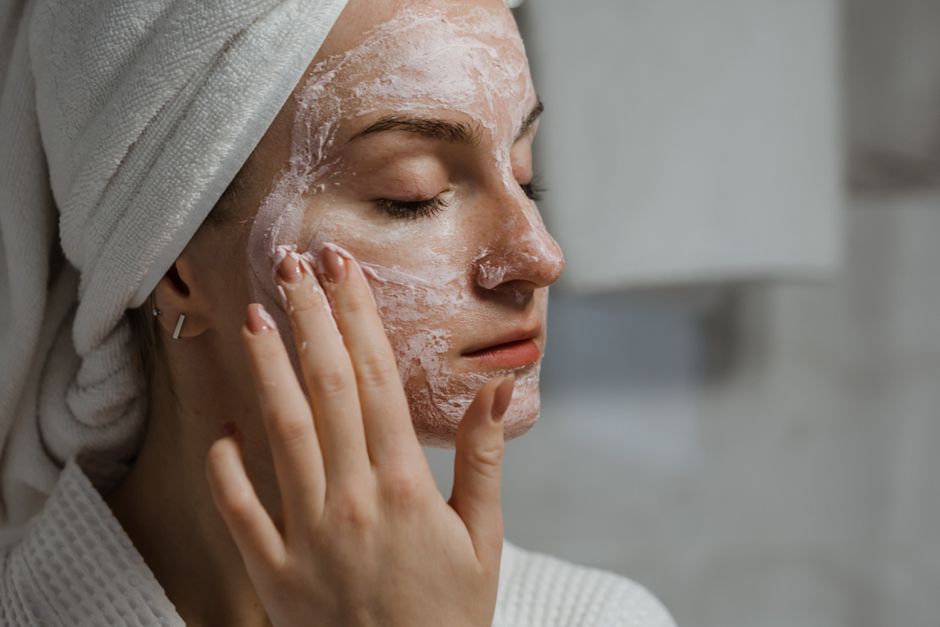
A gentle, thorough cleanse twice a day removes surface oil and prevents new buildup. Use a non-stripping cleanser — gel or foam formulas with a balanced pH work well for most skin types prone to blackheads.
What doesn't help: scrubbing hard, using harsh soaps, or over-cleansing. These damage the skin barrier, cause inflammation, and paradoxically increase oiliness. Blackheads sit inside the pore — a rough washcloth on the surface won't reach them.
Double cleansing (an oil cleanser followed by a water-based one) can be useful if you wear sunscreen or makeup, as it ensures those layers are fully removed before the real cleanse.
Salicylic Acid: The Ingredient That Actually Gets Inside Pores
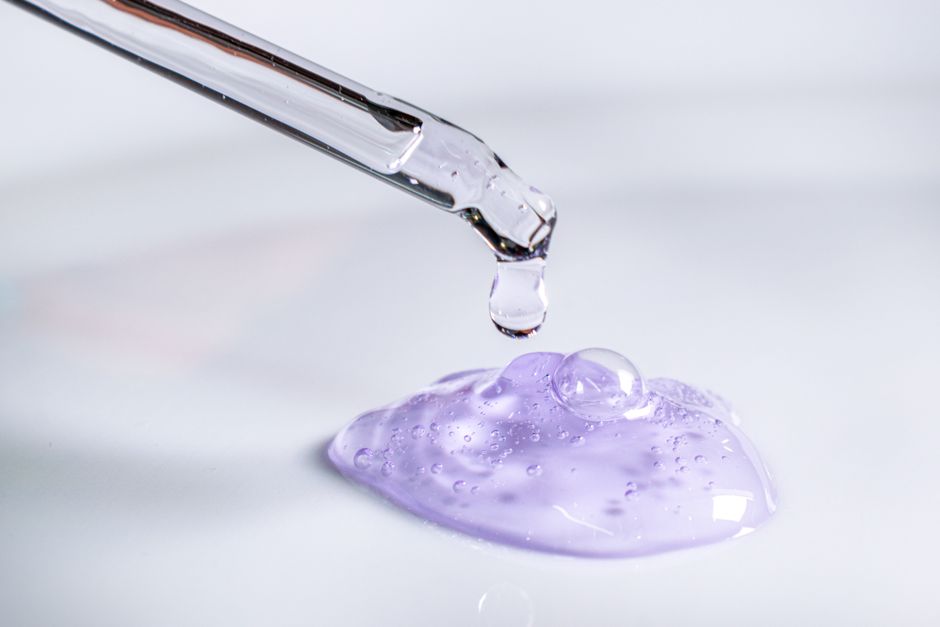
Salicylic acid (BHA — beta hydroxy acid) is the most effective over-the-counter ingredient for blackheads. It's oil-soluble, meaning it can penetrate into the pore lining and dissolve the sebum and dead-cell buildup from the inside. Other acids, like AHAs, work on the surface — useful, but less directly targeted at pores.
Look for a leave-on salicylic acid product: a toner, serum, or light moisturiser at 0.5–2% concentration. A face wash with salicylic acid has some effect, but it rinses off too quickly to do much compared to a leave-on formula.
Start with every other day and build from there. Salicylic acid can be drying, especially if you use other active ingredients. If your skin feels tight or flaky, dial back.
Retinoids: Slower but More Transformative
If salicylic acid is the tactical tool, retinoids are the long-game strategy. Retinoids (including over-the-counter retinol and prescription tretinoin) speed up skin cell turnover, which prevents dead cells from compacting inside pores in the first place.
With consistent use — typically 2–3 months before visible difference — retinoids reduce blackhead formation noticeably and improve overall skin texture. They're also among the most studied ingredients in dermatology, with strong evidence behind them.
The trade-off: they require a slow, careful introduction (start with a pea-sized amount once or twice a week), and they can cause irritation or peeling at first. Use them at night, and always follow with SPF during the day, as they increase sun sensitivity.
What About Pore Strips?
Pore strips are satisfying. They're also mostly a temporary surface fix. They physically pull material out of the very top of the pore — which looks dramatic — but they don't address why the pore keeps clogging. Within a day or two, new buildup begins.
Worse, strips can irritate or even tear delicate skin, especially around the nose. For people with sensitive skin, they often cause more redness and inflammation than any benefit they provide.
They're not harmful if used occasionally on non-irritated skin, but don't rely on them as a solution.
Clay Masks: Weekly Maintenance
A kaolin or bentonite clay mask draws oil to the surface and can visibly minimize the appearance of pores with weekly use. It's more of a maintenance tool than a cure, but it works well as part of a consistent routine.
Apply a thin layer to the nose, chin, and forehead (T-zone) for 10–15 minutes once or twice a week. Don't leave it on until it cracks dry — that's when it starts pulling moisture from the skin.
Pair a clay mask with salicylic acid in your routine and you'll likely see meaningful improvement within 4–6 weeks.
Skin Purging vs. Breakout: Know the Difference
When you introduce a new active ingredient (retinol, salicylic acid, AHAs), you may experience a purge — a temporary increase in blackheads and small pimples as turnover speeds up and clogs get pushed to the surface faster. This typically peaks at 2–4 weeks and then clears.
A true breakout from a product (reaction, allergy, or clogging) looks different: it tends to appear in new areas, involves larger or more inflamed spots, and doesn't improve after 4–6 weeks.
If you're not sure which is which, pause one product at a time to identify the cause.
Hydration Still Matters
Skipping moisturiser because you have oily, blackhead-prone skin is a common mistake. Dehydrated skin produces more oil to compensate, which worsens clogging. A lightweight, non-comedogenic (non-pore-clogging) gel moisturiser keeps the skin balanced without adding heaviness.
Look for ingredients like niacinamide (which regulates sebum and tightens pore appearance) and hyaluronic acid (which hydrates without greasiness).
Extraction: When (and How) It's Done Safely
Manual extraction — the careful push around a blackhead to release the plug — works, but most people do it wrong. Squeezing hard with fingernails causes bruising, scarring, and pushes bacteria deeper into the pore.
Done correctly, it's gentle pressure with clean hands (or a comedone extractor tool), applied around the pore, not on top of it, after steaming or a warm shower to soften the plug. If it doesn't release easily, it's not ready.
If you want extractions done well, an aesthetician does this safely and without the damage of aggressive DIY squeezing. A professional facial every few months is a good supplement to a home routine.
Building an Effective Blackhead Routine
A practical daily and weekly structure:
AM:
- Gentle gel cleanser
- Leave-on niacinamide serum (regulates oil, improves pore appearance)
- Lightweight non-comedogenic moisturiser
- SPF (non-negotiable, especially when using actives)
PM:
- Double cleanse (oil then water, if wearing SPF/makeup)
- Salicylic acid toner or serum (every day or every other day)
- Retinol (2–3 nights a week, added after skin adjusts)
- Moisturiser
Weekly:
- Clay mask 1–2×
The most important thing is consistency. A simple routine done every day outperforms an elaborate one done occasionally.
The Takeaway
Blackheads form because of oil and dead skin buildup inside pores, not dirt or poor hygiene. The most effective approach combines a gentle cleanse, leave-on salicylic acid to dissolve buildup, and a retinoid to prevent future clogging. Clay masks and niacinamide are useful maintenance tools. Pore strips and aggressive squeezing provide temporary results at best and skin damage at worst.
With a consistent routine, most people see real improvement in 6–8 weeks. Be patient, be consistent, and resist the urge to over-treat.
Frequently Asked Questions
Can blackheads go away on their own?
Some do, as skin cell turnover eventually clears the plug. But in most people, the conditions that cause blackheads (oil production, dead cell buildup) are ongoing — so without an active routine, they tend to return as fast as they clear.
Is salicylic acid or retinol better for blackheads?
Both work through different mechanisms. Salicylic acid removes existing buildup from inside the pore; retinol prevents new buildup by accelerating skin cell turnover. Using both (carefully, not at the same time in the same application) is more effective than either alone.
Why does squeezing blackheads make them worse?
Hard squeezing forces bacteria and sebum deeper into the pore, causes micro-tears in the skin, and can leave scarring. It also doesn't remove the root cause — the pore refills within days.
How long does it take to see results from salicylic acid?
Most people notice a visible difference in pore clarity within 4–6 weeks of consistent use. Full results typically develop over 2–3 months as the pore environment changes.
Read next

Related articles
- The Best Sunscreens for Your Face (Non-Greasy Picks)
- How to Use a Gua Sha for Face Sculpting
- Skincare Routine for Dry Skin: The Complete Guide
- The Best Skincare Routine for Oily, Acne-Prone Skin
- “Niacinamide: Benefits, How to Use It, and What to Pair It With”
- How to Repair a Damaged Skin Barrier
Further reading & trusted sources
Where routines usually go wrong
Blackheads are oxidised sebum plugs, not trapped dirt — which is why vigorous washing barely touches them while leave-on salicylic acid (which penetrates the pore lining) visibly clears them over weeks. Most people strip the skin with over-cleansing and wonder why the pores stay clogged.
Ava reads the ingredient list long before the marketing claims — what interests her is which actives are genuinely proven and which are just a pretty bottle and a big promise. She leads GlowNourish’s skincare, makeup and hair coverage with one simple test: would this advice still hold up if a dermatologist read it? Every guide is researched with the help of AI tools and then human-edited for accuracy — no invented ‘clinical results’ and no fake reviews. For a real skin concern, she’ll always point you to a professional.