 By Ava Sinclair, Beauty Editor
Reviewed & updated August 2026
This article is general skincare information, not medical advice. GlowNourish may earn a small commission from some links, at no extra cost to you — see our Affiliate Disclosure. For persistent or severe acne, please see a dermatologist.
Few things knock your confidence like a breakout that won't quit. The good news: acne is one of the most treatable skin concerns there is — and you don't need a cabinet full of products or a fortune to see real change. You need the right ingredients, a consistent routine, and a little patience. This honest guide walks you through exactly what causes acne, what actually clears it, and the mistakes that quietly make it worse.
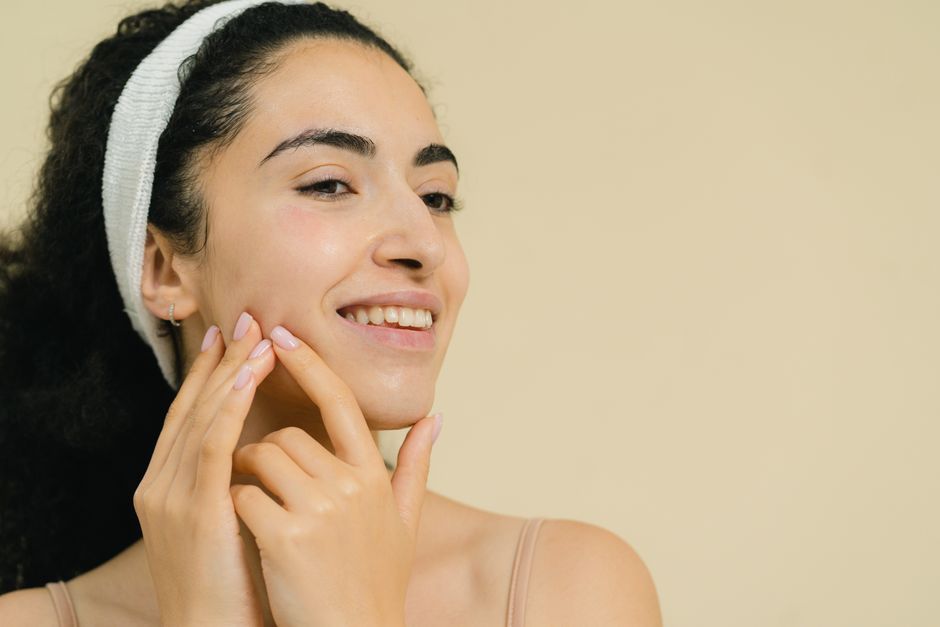 Quick navigationCurated by Ava · 7 min read
- What actually causes acne
- Know your type of breakout
- The core anti-acne routine
- Key ingredients at a glance
- Lifestyle factors that genuinely matter
- Common mistakes that make acne worse
- How to fade the marks acne leaves behind
- When to see a dermatologist
- The bottom line
- Related articles
- Further reading & trusted sources
What actually causes acne
Acne forms when pores get clogged with a mix of dead skin cells, oil (sebum), and bacteria. Four things drive it:
- Excess oil — often hormonal, which is why breakouts flare around your period, during puberty, or under stress.
- Clogged pores — dead skin cells that don't shed properly block the pore.
- Bacteria (C. acnes) — naturally live on skin, but multiply in clogged pores and trigger inflammation.
- Inflammation — the redness and swelling that turns a clogged pore into a visible pimple.
Understanding this matters because the best treatments target these exact causes — clearing pores, reducing oil, calming bacteria, and soothing inflammation.
Know your type of breakout
Not all acne is the same, and the type guides the treatment:
- Blackheads & whiteheads (comedones) — clogged pores, open (black) or closed (white). Respond to exfoliating acids and retinoids.
- Papules & pustules — red, inflamed bumps, sometimes with a white tip. Respond to benzoyl peroxide and salicylic acid.
- Cystic acne — deep, painful, under-the-skin nodules. This type usually needs a dermatologist; over-the-counter products rarely clear it alone.
If yours is mostly cystic or severe, skip ahead to the "when to see a dermatologist" section — prescription treatment will save you months of frustration.
The core anti-acne routine
You don't need ten steps. A simple, consistent routine built on proven actives does the heavy lifting:
1. Gentle cleanser (twice daily)
Wash morning and night with a gentle, non-stripping cleanser. Harsh "squeaky clean" foaming washes damage your barrier and make oil worse. A cleanser with salicylic acid can help if you're oily and clog-prone.
2. Treat with an active
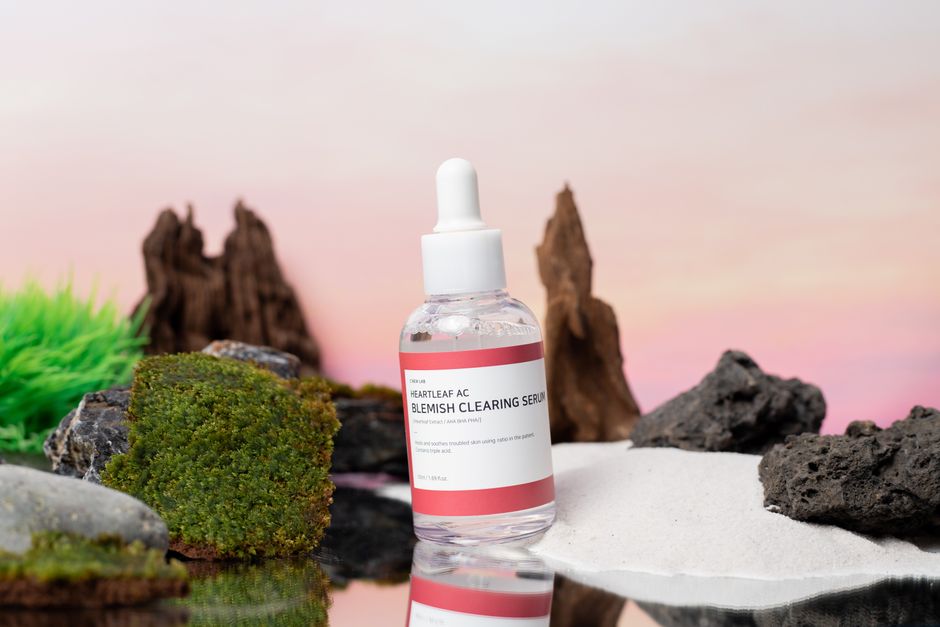
This is where breakouts actually clear. Choose based on your acne:
- Salicylic acid (BHA) — oil-soluble, gets inside pores to clear them. Best for blackheads, whiteheads, and oily skin.
- Benzoyl peroxide — kills acne bacteria and reduces inflammation. Best for red, angry pimples. Start at a low percentage (2.5–5%) to avoid dryness.
- Retinoids (adapalene) — speed up cell turnover so pores don't clog. Excellent all-rounder; available over the counter. Introduce slowly (2–3 nights a week).
- Niacinamide — calms redness and regulates oil; gentle enough to pair with anything.
Golden rule: introduce one active at a time and give it 6–8 weeks. Throwing everything at your face at once causes irritation, not faster clearing.
3. Moisturise (yes, even oily/acne-prone skin)
Skipping moisturiser makes oily skin overproduce oil and makes treatments more irritating. Use a lightweight, oil-free, non-comedogenic (won't clog pores) gel moisturiser.
4. Sunscreen every morning
Many acne treatments (especially retinoids and acids) make skin more sun-sensitive, and sun worsens the dark marks acne leaves behind. A non-comedogenic SPF 30+ is non-negotiable. See our full 5-step skincare routine for how it all fits together.
Key ingredients at a glance
| Ingredient | Best for | Note |
|---|---|---|
| Salicylic acid | Blackheads, oily skin | Unclogs pores from within |
| Benzoyl peroxide | Red, inflamed pimples | Start low to avoid dryness |
| Adapalene (retinoid) | Most acne, prevention | Slow to start, powerful long-term |
| Niacinamide | Redness, oil control | Gentle, layers with everything |
| Azelaic acid | Acne + dark marks | Great for sensitive skin |
Lifestyle factors that genuinely matter
Skincare is most of the battle, but these help:
- Don't pick or pop. It feels productive; it isn't. Picking pushes bacteria deeper, prolongs healing, and causes scars and dark marks.
- Change pillowcases often and clean your phone screen — both collect oil and bacteria.
- Watch heavy, pore-clogging hair products drifting onto your forehead and hairline.
- Manage stress and sleep. Stress hormones drive oil production; it's a real, measurable trigger.
- Diet: evidence is mixed, but some people find high-sugar and high-dairy foods worsen breakouts. Worth noticing your own patterns — without obsessing.
Common mistakes that make acne worse
- Over-washing and scrubbing. Acne isn't "dirt." Harsh scrubbing inflames it and damages your barrier.
- Drying it out completely. Stripped skin overproduces oil and gets more irritated. Hydration helps healing.
- Switching products every week. Actives need 6–8 weeks. Constant switching means nothing gets a fair chance.
- Using too many actives at once. A pile of strong ingredients = irritation, not clear skin.
- Skipping sunscreen, then wondering why dark marks linger for months.
How to fade the marks acne leaves behind
Those brown or red marks after a pimple heals aren't true scars — they're post-inflammatory hyperpigmentation, and they fade over weeks to months. Speed it up with vitamin C (see our best vitamin C serums), niacinamide, gentle exfoliation, and — most importantly — daily sunscreen, which prevents them darkening further.
When to see a dermatologist
Please don't suffer through severe acne alone. See a professional if you have painful cystic acne, acne that scars, or breakouts that haven't budged after 2–3 months of a consistent over-the-counter routine. Prescription options (topical retinoids, antibiotics, hormonal treatments, or more) can transform skin that no drugstore product will fix. There's no prize for toughing it out.
Frequently asked questions
How long until my skin clears?
Most treatments take 6–12 weeks to show real results, and skin can look slightly worse before better as cell turnover speeds up. Consistency is everything.
Should I use benzoyl peroxide or salicylic acid?
Salicylic acid for blackheads, whiteheads, and oily congestion; benzoyl peroxide for red, inflamed pimples. Some people use both (at different times of day). Start with one.
Is it okay to wear makeup with acne?
Yes — just choose non-comedogenic, oil-free formulas and always remove it fully at night. See our foundation guide for acne-friendly picks.
Does popping pimples help?
No. It pushes bacteria deeper, delays healing, and is the leading cause of acne scars and dark marks. Hands off.
The bottom line
Clearing acne comes down to a simple, consistent routine — gentle cleanser, one well-chosen active (salicylic acid, benzoyl peroxide, or a retinoid), a non-comedogenic moisturiser, and daily sunscreen — plus the patience to let it work for 6–8 weeks. Don't pick, don't over-strip, and don't keep switching. And if it's severe or scarring, see a dermatologist early. Clear, confident skin is absolutely within reach.
Next: build your full routine with the 5-step skincare routine for beginners, and fade marks with the best vitamin C serums.
Read next


Related articles
- How to Apply Concealer Like a Pro
- Everyday Natural Makeup Look: A Step-by-Step Tutorial
- The 10 Best Moisturizers for Every Skin Type (2026)
- Hyaluronic Acid: The Hydration Hero Explained
- The Korean Skincare Routine, Simplified
- Retinol for Beginners: Start Without Irritation
Where routines usually go wrong
Acne improves with a consistent, gentle routine and proven ingredients given weeks to work — over-scrubbing and constantly switching products makes it worse. Persistent or painful acne is worth seeing a dermatologist for, not just more products.
Further reading & trusted sources
Ava reads the ingredient list long before the marketing claims — what interests her is which actives are genuinely proven and which are just a pretty bottle and a big promise. She leads GlowNourish’s skincare, makeup and hair coverage with one simple test: would this advice still hold up if a dermatologist read it? Every guide is researched with the help of AI tools and then human-edited for accuracy — no invented ‘clinical results’ and no fake reviews. For a real skin concern, she’ll always point you to a professional.