 By Ava Sinclair, Beauty Editor
Reviewed & updated August 2026
Damaged hair can't actually be "repaired" in the sense of undoing split ends or reversing broken bonds along the hair shaft — but you can dramatically improve how it looks and feels, and prevent existing damage from getting worse while healthy new growth comes in. Here's a realistic routine that focuses on what actually works.
This article shares general skincare and haircare information, not medical advice. See a dermatologist for a diagnosis if you're dealing with unusual hair loss or scalp issues.
 In this guideCurated by Ava · 7 min read
- Why “repairing” hair is a bit of a myth
- Step 1: Figure out what’s actually causing the damage
- Step 2: Build a routine around protein and moisture balance
- Step 3: Cut down on heat, or protect properly when you can’t
- Step 4: Handle wet hair gently
- Step 5: Trim regularly, even though it feels counterproductive
- What ingredients actually help, and which are mostly marketing
- The takeaway
- Further reading & trusted sources
Why "repairing" hair is a bit of a myth
Hair is dead keratin protein once it leaves the follicle — there's no blood supply or living cells above the scalp to heal damage the way skin does. Once a strand's outer cuticle layer is chipped or the internal protein bonds are broken (from heat, chemical processing, or mechanical stress), that specific damage is permanent for that strand.
What treatments actually do is temporarily fill in gaps and smooth the cuticle (making hair look and feel healthier), or protect remaining healthy structure from further damage. That's not a failure of the products — smoothing and protecting genuinely transforms how hair looks and behaves day to day. It's just useful to know so you're not chasing an impossible "undo the damage" result and getting discouraged.
Step 1: Figure out what's actually causing the damage
Damage almost always traces back to one or more of these, and fixing the routine matters more than any single product:
- Heat styling without a heat protectant, or styling above 350°F on fine/color-treated hair
- Chemical processing — bleach, relaxers, or permanent color, especially repeated within a short window
- Mechanical stress — tight ponytails, rough towel-drying, brushing wet hair from the roots down
- Over-washing or harsh sulfates stripping natural oils faster than they replenish
- Sun and chlorine exposure without protection
Most people have two or three of these stacking at once. Identifying which ones you can actually change is more useful than buying another product before addressing the cause.
Step 2: Build a routine around protein and moisture balance
Damaged hair typically needs both protein (to reinforce weakened structure) and moisture (to stay flexible and avoid breaking) — but too much of either backfires. Over-proteined hair feels stiff and straw-like; over-moisturized hair feels limp and gummy.
A simple rotation that works for most damage levels:
- Moisturizing conditioner every wash — look for glycerin, hyaluronic acid, or fatty alcohols near the top of the ingredient list.
- A protein treatment once every 1-2 weeks — not every wash. Overdoing protein is one of the most common mistakes people make once they learn it "helps."
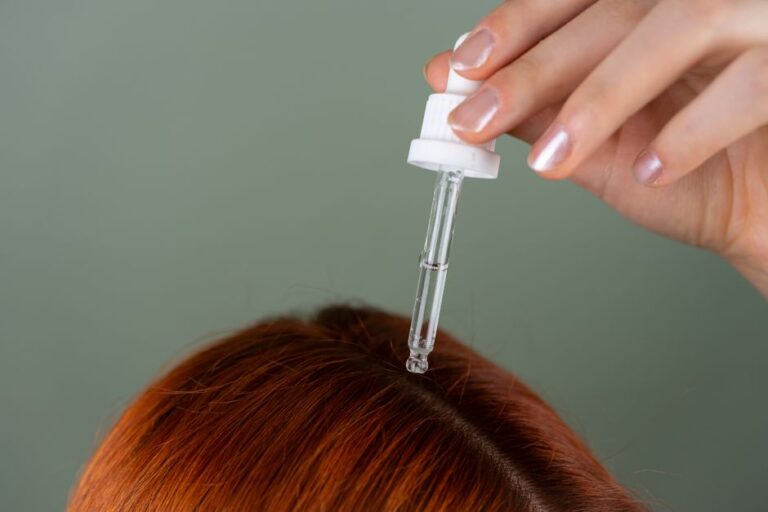
- A leave-in conditioner or lightweight oil on damp hair before styling, focused on mid-lengths to ends, avoiding the roots to prevent buildup.
[TAKE]If your hair feels stiff and snaps rather than stretches when damp, you likely have too much protein. If it feels mushy and stretches a lot before breaking, you need more protein and less moisture. Adjust the rotation based on how it actually feels, not a fixed schedule.
Step 3: Cut down on heat, or protect properly when you can't
This is the single highest-impact change for most people with heat damage:
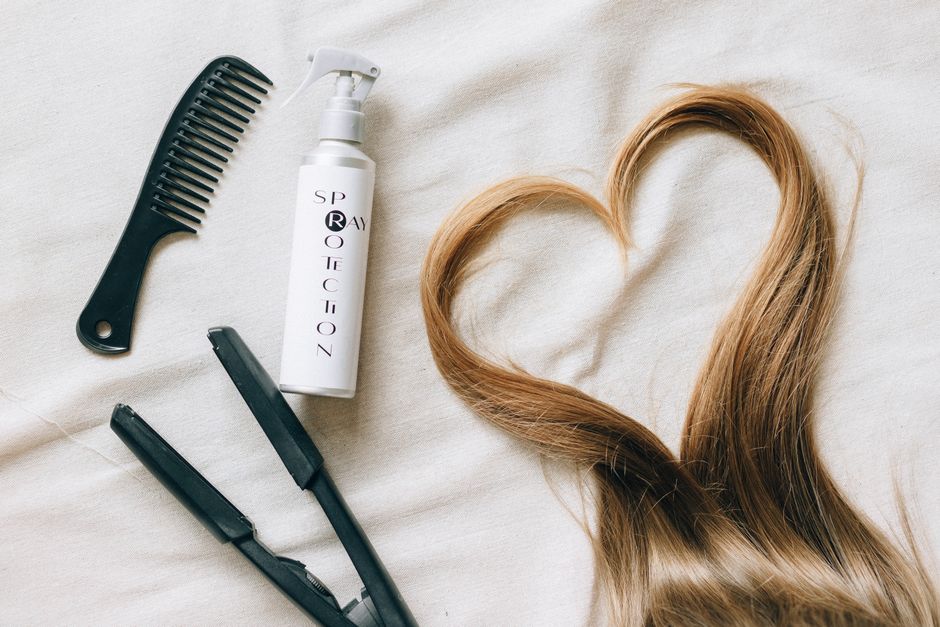
- Use a heat protectant every time, even on "low heat" settings — protectants work by raising the temperature at which the hair shaft's proteins start to denature, and skipping it even once undoes weeks of otherwise careful haircare.
- Keep styling tools under 350°F for fine or color-treated hair, under 380°F for thick/coarse undamaged hair.
- Air-dry to 80% before using any hot tool — wet hair is more vulnerable to heat damage than damp or dry hair.
- Reduce frequency where you can — every-other-day styling instead of daily gives hair recovery time between exposures.
Step 4: Handle wet hair gently
Hair is at its weakest and most stretchy when wet, which is exactly when most mechanical damage happens:
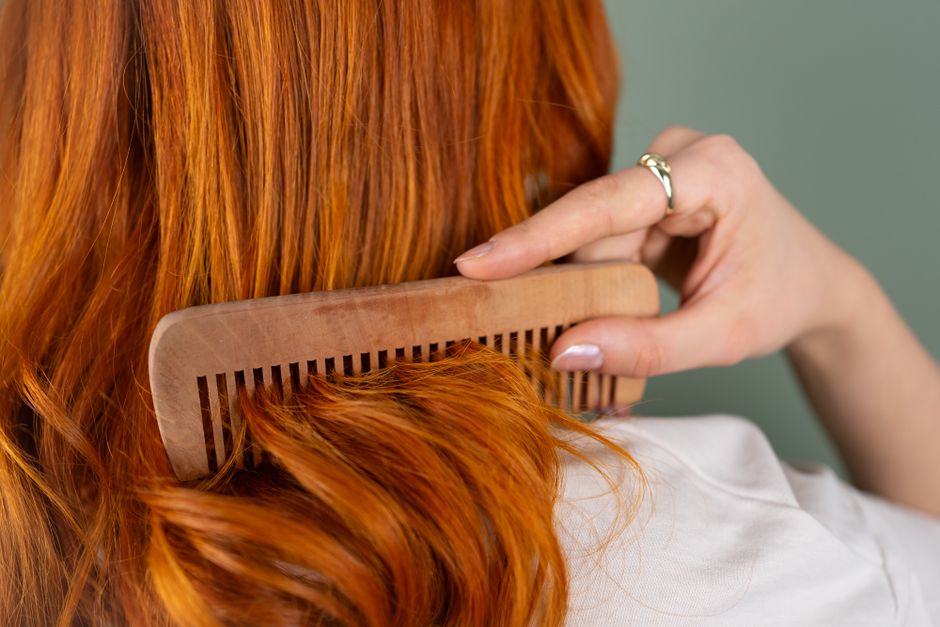
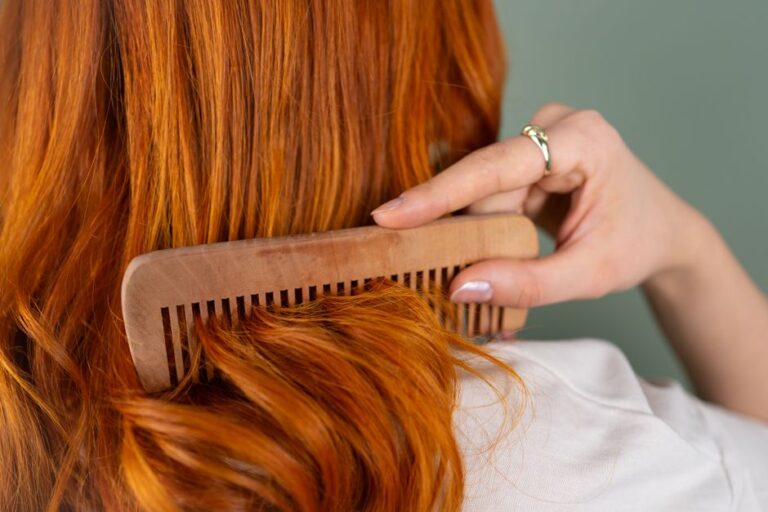
- Detangle with a wide-tooth comb or wet brush, starting at the ends and working up — never brush from root to tip on wet hair.
- Squeeze water out with a microfiber towel or soft t-shirt instead of rubbing with a regular towel.
- Avoid tight elastics or buns on wet hair; let it dry most of the way first if you need it up.
Step 5: Trim regularly, even though it feels counterproductive
Split ends don't heal and don't stay contained — a split will travel up the hair shaft over time, turning one damaged inch into two or three. Trimming every 8-12 weeks (or more often for chemically processed hair) keeps damage from spreading and makes the healthy hair you do have look noticeably better, since it's no longer weighed down by frayed, dull ends.
What ingredients actually help, and which are mostly marketing
Worth looking for: hydrolyzed keratin or wheat protein (temporary strengthening), panthenol (moisture retention), ceramides (helps rebuild the outer barrier), and silicones like dimethicone (smooths the cuticle and reduces friction — not harmful despite some myths, though buildup can happen with heavy use).
Mostly hype for damage specifically: "biotin-infused" products (biotin works from the inside through diet/supplements, not topically), and most "instant repair" claims on drugstore bottles — the smoothing effect is real and immediate, but it's surface-level and rinses or wears off, not a lasting structural fix.

The takeaway
You can't undo damage that's already happened to a strand, but you can stop it from getting worse, dramatically improve how existing damage looks and feels, and grow in healthier hair behind it. Focus on removing the actual cause of damage first, balance protein and moisture based on how your hair feels (not a fixed schedule), protect against heat every time, handle wet hair gently, and trim regularly so split ends don't spread. Most people see a real difference in look and manageability within 4-6 weeks of consistently following a routine like this.
Frequently asked questions
Can damaged hair ever go back to how it was before?
Not the already-damaged strands themselves — that damage is structurally permanent. But with the causes addressed, new growth comes in healthy, and over 6-12 months of trims and careful care, most of your visible hair will be that newer, healthier growth.
How often should I use a protein treatment?
Once every 1-2 weeks is a reasonable starting point for moderately damaged hair — more often risks protein overload (stiff, straw-like texture), less often may not be enough for heavily processed hair. Adjust based on how your hair feels, not a fixed calendar.
Do hair oils actually repair damage?
No, but they reduce friction and add shine and flexibility, which lowers the risk of further mechanical damage and makes existing damage far less noticeable. They're a genuinely useful part of a damage-prevention routine, just not a repair mechanism on their own.
Is it better to cut off all the damage at once or trim gradually?
That depends on how much is damaged and how attached you are to length. A single larger cut removes all the fragile, breakage-prone hair at once and often looks and behaves noticeably better immediately; gradual trims preserve length but mean living with some damage longer while it's slowly trimmed away.
Read next

Further reading & trusted sources
Worth knowing before you start
Protein and moisture overcorrection look identical from the outside — both eventually produce breakage — which is why so many people escalate the wrong treatment. The actual tell is how hair behaves wet: snapping rather than stretching means too much protein, while stretching a lot before snapping means too little.
Ava reads the ingredient list long before the marketing claims — what interests her is which actives are genuinely proven and which are just a pretty bottle and a big promise. She leads GlowNourish’s skincare, makeup and hair coverage with one simple test: would this advice still hold up if a dermatologist read it? Every guide is researched with the help of AI tools and then human-edited for accuracy — no invented ‘clinical results’ and no fake reviews. For a real skin concern, she’ll always point you to a professional.