 By Ava Sinclair, Beauty Editor
Reviewed & updated August 2026
Hormonal acne has a way of showing up right when you thought you'd outgrown breakouts — a stubborn cluster along the jaw or chin that seems to follow its own calendar. It's frustrating precisely because it doesn't respond the way typical teenage acne does, and most drugstore spot treatments barely touch it. This guide breaks down what's actually happening under the skin, which ingredients have real evidence behind them, and what a realistic timeline for improvement looks like.
This article shares general skincare information, not medical advice. See a dermatologist for diagnosis and treatment of persistent acne.
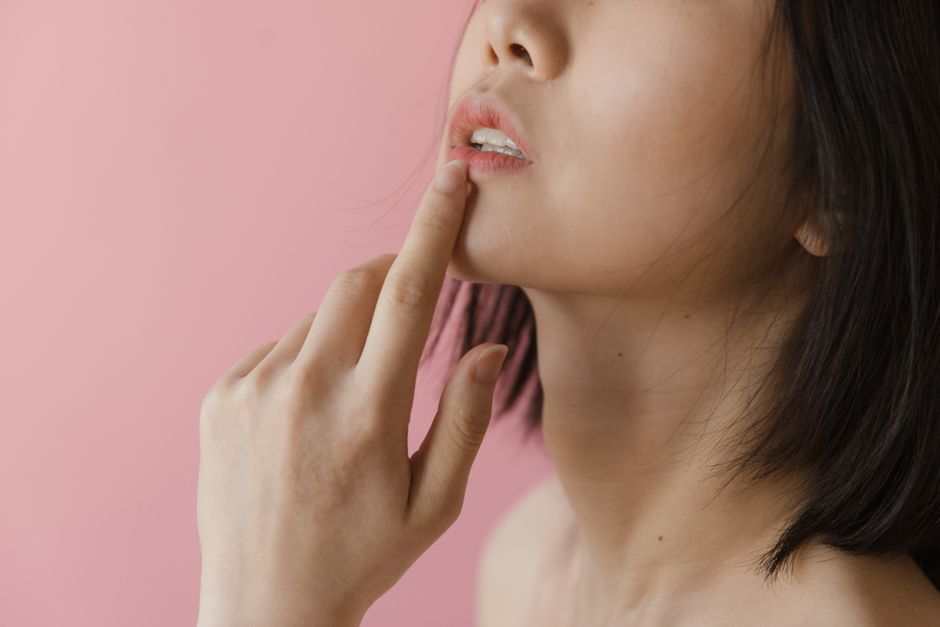 What this guide coversCurated by Ava · 10 min read
What hormonal acne actually is
Hormonal acne isn't a different disease from regular acne — it's acne driven primarily by fluctuations in androgens (like testosterone), which stimulate the skin's oil glands to produce more sebum. More oil means more opportunity for pores to clog, for the acne-associated bacteria Cutibacterium acnes to thrive, and for inflammation to follow. What sets it apart is less about the mechanism and more about the pattern and timing.
The classic signs:
- Location: concentrated along the jawline, chin, and sometimes the lower cheeks and neck, rather than spread evenly across the forehead and nose
- Type: often deep, tender, cystic bumps rather than surface-level whiteheads or blackheads — though it can be a mix of both
- Timing: flares in a predictable rhythm tied to the menstrual cycle, typically in the week before a period, when progesterone rises and estrogen drops
- Persistence: tends to stick around into adulthood, sometimes starting for the first time in the late 20s or 30s rather than fading after the teenage years
Not everyone with jawline acne has "hormonal" acne in the strict sense, and not everyone with hormonal fluctuations breaks out — genetics, stress, and individual sensitivity to normal hormone levels all play a role. But the jaw/chin pattern plus a cycle-linked flare is the strongest practical signal.
What causes the breakouts
A few overlapping factors drive hormonal acne:
- Androgen sensitivity: Some people's oil glands are simply more responsive to normal androgen levels than others. This is a big part of why two people can have identical hormone levels and very different skin.
- The luteal phase dip: In the days before a period, estrogen falls while progesterone rises, and the relative shift toward androgen dominance increases sebum production. This is why breakouts often appear like clockwork.
- Conditions like PCOS: Polycystic ovary syndrome and other conditions that raise androgen levels can cause more persistent, widespread hormonal acne alongside other symptoms (irregular cycles, excess hair growth). If acne comes with those signs, it's worth raising with a doctor.
- Stress: Cortisol doesn't cause acne directly, but chronically elevated stress hormones can amplify oil production and inflammation, making an existing hormonal tendency worse.
- Coming off or starting hormonal birth control: Some combined oral contraceptives suppress androgen activity, so stopping them can unmask acne that birth control was previously controlling.
Ingredients with real evidence behind them
These are the actives with the strongest track record for hormonal, jawline-pattern breakouts:
Adapalene (a topical retinoid). Available over the counter at 0.1% strength, adapalene normalizes how skin cells shed inside the pore, which prevents the clogs that turn into cysts in the first place. It's one of the few ingredients that works on the actual formation of a blemish rather than just calming it after the fact. Start with two or three nights a week, always at night, and expect some initial dryness or purging before things improve.
Niacinamide. A well-tolerated form of vitamin B3 that reduces inflammation and helps regulate oil production over time. It's gentler than actives like retinoids or acids, which makes it a good layering partner rather than a standalone fix for active cysts. Look for it in the 5-10% range in a serum or moisturizer.
Azelaic acid. Available at 10% over the counter (and higher by prescription), azelaic acid reduces inflammation, has mild antibacterial action against C. acnes, and helps fade the dark marks hormonal acne often leaves behind. It's notably gentle for something this effective, making it a solid option for sensitive or reactive skin.
Salicylic acid. A beta-hydroxy acid that's oil-soluble, meaning it can penetrate into the pore itself to clear out the sebum and debris that starts a blemish. It's better suited to blackheads and surface congestion than deep cystic bumps, but it's a useful part of a broader routine, especially as a cleanser or leave-on treatment at 0.5-2%.
Prescription options exist too — spironolactone (an oral anti-androgen), combined oral contraceptives formulated for acne, and topical or oral antibiotics for inflammation — but these require a conversation with a dermatologist or doctor, since they involve weighing hormonal and systemic effects.
Lifestyle factors worth paying attention to
Topical products only address part of the picture. A few habits genuinely move the needle for hormonal acne:
- Pillowcase and phone hygiene: Anything that repeatedly touches the jaw and chin — a phone screen, an unwashed pillowcase — reintroduces oil and bacteria to the exact area that's already prone to breaking out. Wiping down a phone screen and changing pillowcases every few days is a low-effort habit with an outsized payoff.
- Diet patterns: The evidence linking high-glycemic diets (sugary, refined-carb-heavy) and dairy, particularly skim milk, to acne is real, though the effect size varies a lot person to person. It's not about eliminating entire food groups on a hunch — it's worth noticing if breakouts consistently follow certain foods and adjusting from there.
- Sleep and stress management: Poor sleep and chronic stress both raise cortisol, which can intensify hormonal breakouts. This isn't a cure-all, but it removes one more factor stacking against clear skin.
- Not switching products constantly: Every time the skin barrier is exposed to a new active, it needs time to adjust. Constantly cycling through new "miracle" products, especially multiple actives at once, causes irritation that looks like — and can worsen — acne.
What not to do
Certain instincts make hormonal acne worse, not better:
- Over-exfoliating. Piling on physical scrubs, multiple acids, and retinoids at the same time strips the skin barrier, which triggers more oil production and more inflammation — the opposite of the intended effect. One or two active steps at a time is plenty.
- Picking or squeezing. Cystic, hormonal breakouts sit deep under the skin, so picking rarely extracts anything useful and reliably causes more inflammation, prolongs healing, and increases the odds of scarring or lasting dark marks.
- Switching your entire routine mid-flare. A flare-up feels urgent, but overhauling everything at once makes it impossible to know what's helping or hurting, and adds fresh irritation on top of already-inflamed skin.
- Relying on spot treatments alone. Benzoyl peroxide dabbed on an existing cyst can help it resolve slightly faster, but it does nothing to prevent the next one. Hormonal acne needs a consistent routine, not just damage control.
- Skipping sunscreen because skin is "already oily." Sun exposure can darken the marks hormonal acne leaves behind and, over time, makes overall texture worse. A lightweight, non-comedogenic SPF is still a non-negotiable daily step.
When to see a dermatologist
Self-directed skincare has real limits with hormonal acne. It's worth booking a dermatology appointment if:
- Breakouts are consistently deep, painful, and cystic rather than surface-level
- Over-the-counter actives (adapalene, azelaic acid, salicylic acid) haven't produced improvement after a full 8-12 weeks of consistent use
- Acne is leaving noticeable scarring or you're managing it with makeup rather than treatment
- It's accompanied by other signs like irregular periods, excess hair growth, or thinning scalp hair, which can point to an underlying hormonal condition worth investigating
- The emotional toll is significant — persistent acne is genuinely linked to lower quality of life and anxiety, and that alone is a legitimate reason to seek help sooner rather than later
A dermatologist can also access prescription-strength options — tretinoin, oral spironolactone, hormonal birth control formulated for acne, or oral antibiotics for short-term flare control — that aren't available over the counter and can succeed where topical routines plateau.
Realistic timelines for improvement
Patience is the hardest and most necessary part of treating hormonal acne. A rough, honest timeline:
- Weeks 1-3: Adjustment period. Retinoids like adapalene often cause purging, dryness, or flaking before things improve. This is expected, not a sign the product is failing.
- Weeks 4-8: Early stabilization. Fewer new cysts forming, though existing dark marks and texture take longer to fade.
- Weeks 8-12: This is typically when a consistent routine shows its real results — noticeably fewer active breakouts and calmer skin overall.
- 3-6 months: Full picture, especially for post-acne marks and texture, and for any prescription treatment (like spironolactone) that works on a hormonal level rather than a topical one.
Anything promising clear skin in days or a week is overselling. Hormonal acne responds to consistency measured in cycles, not days.
The takeaway
Hormonal acne follows a recognizable pattern — jawline and chin breakouts that flare around the menstrual cycle — and it responds best to a calm, consistent routine rather than aggressive, ever-changing treatment. Ingredients like adapalene, azelaic acid, niacinamide, and salicylic acid each have real evidence behind them, but they need 8-12 weeks of steady use before judging whether they're working. Support the routine with sensible habits (clean phone screens and pillowcases, stress management, sun protection) and avoid the common traps of over-exfoliating and picking. If breakouts stay deep, painful, or resistant to a solid over-the-counter routine, a dermatologist can offer prescription options that address the hormonal side directly rather than just the surface.
Frequently asked questions
Is hormonal acne different from regular acne?
Not in a fundamentally different biological sense — both involve clogged pores, oil, bacteria, and inflammation. What sets hormonal acne apart is the pattern (jawline and chin), the timing (cycle-linked flares), and often a deeper, cystic quality that makes it more resistant to typical over-the-counter spot treatments.
Can birth control help with hormonal acne?
Certain combined oral contraceptives are specifically approved for acne because they reduce androgen activity, which lowers oil production. This is a decision to make with a doctor, since it involves weighing broader effects on the body, not just the skin.
Why does my acne only show up before my period?
In the days before a period, estrogen drops while progesterone rises, shifting the balance toward relative androgen dominance. Since androgens stimulate oil glands, this window is when breakouts are most likely to appear, especially along the jaw and chin.
Should I stop using retinoids if my skin purges?
Not necessarily. Purging — a temporary increase in breakouts as cell turnover speeds up and clears out congestion that was already forming — typically lasts a few weeks and shows up in areas you normally break out. If irritation is severe, painful, or lasts well beyond 4-6 weeks, scale back frequency or check in with a dermatologist rather than pushing through blindly.
Read next
Further reading & trusted sources
Where routines usually go wrong
The jawline pattern is the single most useful diagnostic clue with hormonal acne, since it consistently shows up in the same spot cycle after cycle rather than shifting around the face like stress or product-reaction breakouts do. Purging from a new retinoid and a genuine flare look almost identical in the first two weeks, which is exactly why so many people quit adapalene right before it would have started working.
Ava reads the ingredient list long before the marketing claims — what interests her is which actives are genuinely proven and which are just a pretty bottle and a big promise. She leads GlowNourish’s skincare, makeup and hair coverage with one simple test: would this advice still hold up if a dermatologist read it? Every guide is researched with the help of AI tools and then human-edited for accuracy — no invented ‘clinical results’ and no fake reviews. For a real skin concern, she’ll always point you to a professional.