 By Ava Sinclair, Beauty Editor
Reviewed & updated August 2026
Rosemary oil has gone from a dusty kitchen-herb footnote to one of the most searched natural hair-growth remedies online, largely thanks to social media before-and-afters. But is there anything behind the hype, or is it just another viral placebo? Here's what the research actually shows — and how to use it if you decide to try it.
 In this guideCurated by Ava · 7 min read
What Rosemary Oil Actually Is
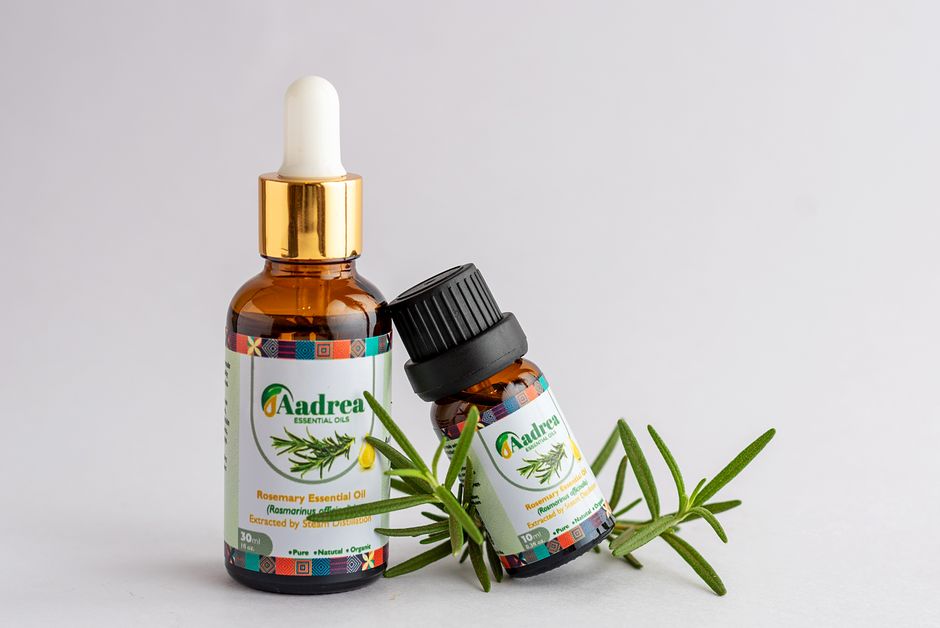
Rosemary oil is a concentrated extract distilled from the rosemary plant (Rosmarinus officinalis), the same herb used in cooking. For haircare, it's typically sold either as a pure essential oil (meant to be diluted before use) or pre-diluted in a carrier oil like jojoba or castor oil, ready to apply directly.
The active compounds getting attention are carnosic acid and rosmarinic acid, both of which have antioxidant and anti-inflammatory properties in lab studies. The theory is that these compounds may improve circulation to the scalp and protect hair follicles from oxidative stress, both of which are linked to hair thinning.
What the Research Actually Says
The claim that gets repeated most is a 2015 study comparing rosemary oil to minoxidil (the active ingredient in Rogaine) over six months, which found comparable increases in hair count between the two groups. That study is real, but it's small, and it compared rosemary oil to a treatment, not to a true no-treatment control — so it shows rosemary performed similarly to minoxidil in that specific trial, not that it's proven broadly equivalent.
Beyond that trial, most of the supporting evidence is either in vitro (petri dish) or based on animal models, not large human trials. That doesn't mean it doesn't work — it means the evidence is promising but thinner than the internet hype suggests. It's reasonable to try as a low-risk addition to a hair care routine; it's not accurate to call it a proven substitute for treatments with a larger body of clinical evidence, like minoxidil, for anyone with significant hair loss.
How to Use Rosemary Oil for Hair Growth
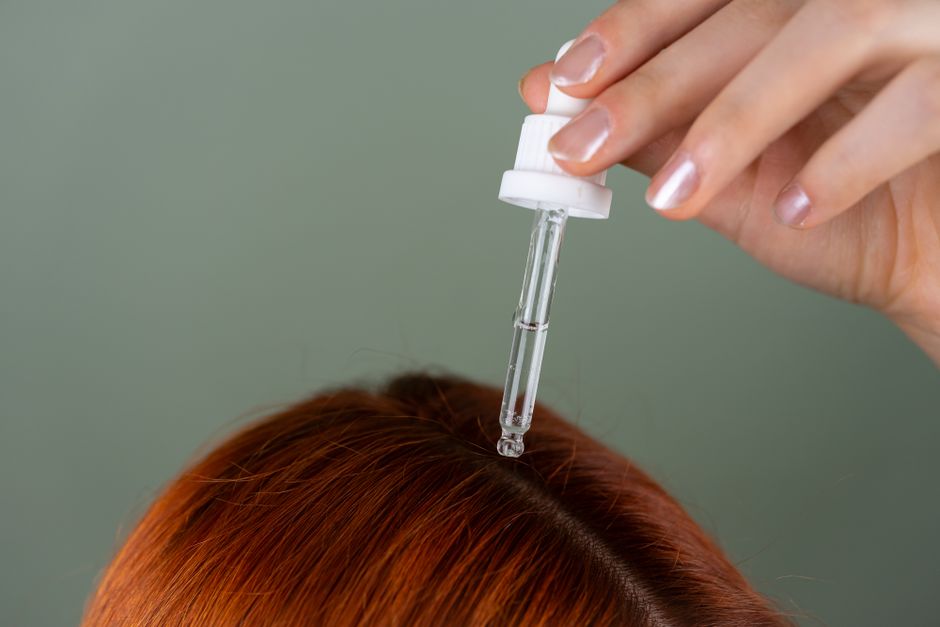
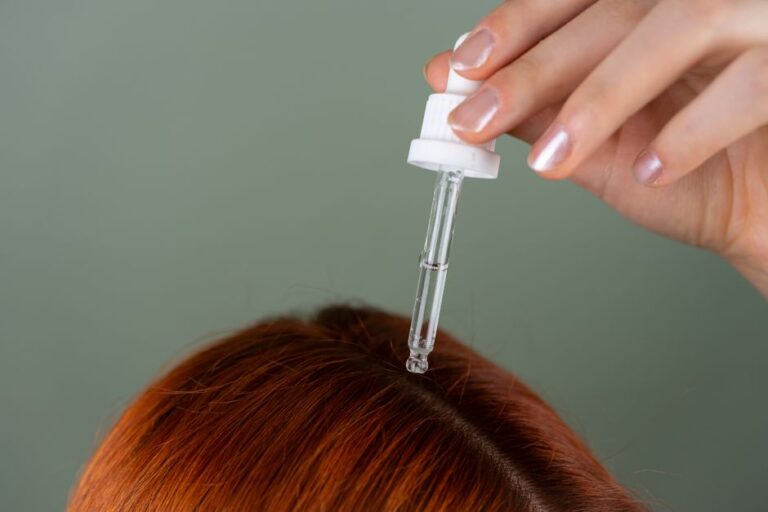
Dilute it first. Pure rosemary essential oil is too concentrated to apply directly to the scalp — it can cause irritation or a burning sensation. Mix a few drops (start with 3-5) into a tablespoon of carrier oil like jojoba, argan, or coconut oil.
Massage into the scalp. Section the hair and massage the diluted oil into the scalp with your fingertips for 3-5 minutes. The massage itself may contribute to the effect by increasing local blood flow, separate from the oil's chemical properties.
Leave it on. Some people leave it in for 20-30 minutes before shampooing; others leave it overnight. Either can work — overnight use just means more contact time, at the cost of needing to protect your pillowcase.
Rinse and shampoo as normal. Rosemary oil isn't meant to replace your regular shampoo routine, just to sit on the scalp for a period before it's washed out.
Frequency: 2-3 times per week is a common starting point. Daily use isn't necessary and increases the chance of scalp irritation, especially with a stronger dilution.
Rosemary Water vs. Rosemary Oil
A version of this trend involves steeping fresh rosemary sprigs in water and using the resulting "rosemary water" as a rinse or spray instead of oil. It's gentler and less likely to irritate the scalp, but it's also a weaker preparation — a simmered water infusion extracts far less of the active compounds than a properly made oil extract. It's a reasonable lower-commitment way to test whether you tolerate rosemary on your scalp before investing in oil.
Who Should Be Cautious
Anyone with a known sensitivity to rosemary or other plants in the mint family. Patch test on the inside of your wrist or behind your ear 24 hours before applying to the full scalp.
Pregnant or breastfeeding individuals should check with a doctor first, since some sources advise caution with concentrated rosemary oil during pregnancy.
People with significant or rapidly progressing hair loss should see a dermatologist rather than relying on rosemary oil alone — there are many causes of hair loss (thyroid issues, iron deficiency, hormonal shifts, certain medications) that a natural oil won't address, and a proper diagnosis matters more than any single remedy.
This article is for general skincare and haircare information only and is not a substitute for medical advice. If you have a scalp condition or significant hair loss, consult a qualified healthcare professional or dermatologist.
Realistic Expectations and Timeline
Hair grows in cycles, and any follicle-related change takes time to show up as visible hair. Most sources that report results with rosemary oil describe a minimum of 3-6 months of consistent use before seeing a meaningful difference — not days or weeks. If you're trying it, take a baseline photo of your part or hairline before starting so you have something concrete to compare against later, rather than relying on memory.
Common Mistakes
Applying it undiluted. This is the most common cause of scalp irritation and burning, and it can actually discourage people from continuing a routine that might otherwise have helped.
Expecting overnight results. Hair growth remedies of any kind — prescription or natural — operate on a months-long timeline because of how hair growth cycles work.
Using it inconsistently. A few applications, then stopping for weeks, then starting again doesn't give the scalp the sustained exposure the research (thin as it is) is actually based on.
Ignoring an underlying cause. If hair loss is sudden, patchy, or accompanied by other symptoms, rosemary oil is not an adequate first response — a diagnosis should come first.
The Takeaway
Rosemary oil has a reasonable, if still limited, body of evidence suggesting it may support scalp health and hair growth, and it's a low-cost, low-risk addition to a hair care routine for most people. It is not a proven equivalent to established treatments, and it will not address hair loss caused by an underlying medical condition. Used consistently, diluted properly, and with realistic expectations over several months, it's a reasonable thing to try — just not a guaranteed fix.
Frequently Asked Questions
Can rosemary oil regrow hair that's already gone?
It's more realistic to think of it as supporting existing follicles rather than reviving ones that have been dormant for a long time. Early-stage thinning has a better realistic chance of response than long-term bald areas.
How long before I see results?
Most reports suggest a minimum of 3-6 months of consistent use, since hair growth cycles are inherently slow. Expecting results within a few weeks sets up disappointment even if the oil is doing something.
Can I use rosemary oil with minoxidil or other treatments?
Many people use rosemary oil alongside other treatments without issue, but check with a dermatologist first, especially if you're using a prescription treatment, to avoid unnecessary scalp irritation from combining products.
Is rosemary oil safe for color-treated hair?
Generally yes — it's an oil-based scalp treatment, not a chemical process, so it shouldn't strip color. Rinse thoroughly to avoid oil buildup that can make color-treated hair look weighed down.
Read next

Further reading & trusted sources
The step most people skip
The most-cited rosemary oil study compared it to minoxidil rather than to no treatment at all, which is a meaningfully different (and weaker) claim than the internet summary usually implies. Applying it undiluted straight from the bottle is the most common reason people report scalp irritation and quit before the multi-month timeframe needed to judge whether it’s working.
Ava reads the ingredient list long before the marketing claims — what interests her is which actives are genuinely proven and which are just a pretty bottle and a big promise. She leads GlowNourish’s skincare, makeup and hair coverage with one simple test: would this advice still hold up if a dermatologist read it? Every guide is researched with the help of AI tools and then human-edited for accuracy — no invented ‘clinical results’ and no fake reviews. For a real skin concern, she’ll always point you to a professional.