 By Ava Sinclair, Beauty Editor
Reviewed & updated August 2026
Twelve-step routines make good content, but they're not what most skin actually needs. A minimalist skincare routine strips things back to the products that do measurable work, and for a lot of people, less product with more consistency beats a packed shelf used half-heartedly.
This article shares general skincare information and is not a substitute for professional dermatological advice. If you have a persistent skin concern, consider seeing a board-certified dermatologist.
 On this pageCurated by Ava · 6 min read
Why Fewer Products Often Works Better
Every new product added to a routine is another variable — another chance for irritation, another ingredient that might not play well with something else you're using, another step that gets skipped on a tired night. A minimalist routine reduces that risk while still covering the core jobs skin actually needs done: cleansing, hydrating, protecting, and occasionally treating a specific concern.
It's also just more sustainable. A five-step routine you do every single day works better long-term than a ten-step routine you do three times a week because it feels like a chore.
The Core Four: What Actually Belongs in a Minimalist Routine
1. A gentle cleanser. Something that removes dirt, oil, and sunscreen without leaving skin feeling tight or squeaky. If your face feels stripped after washing, the cleanser is too harsh — that's a sign to size down, not to add more products to compensate.
2. A moisturizer suited to your skin type. Lightweight and gel-based for oily or combination skin, richer and cream-based for dry skin. This is the step that keeps the skin barrier intact, which most other skin concerns trace back to in some way.
3. Sunscreen, every single morning. This is the one non-negotiable in any real skincare routine, minimalist or not. Daily SPF 30+ does more to prevent visible aging and support overall skin health than any serum on the market.
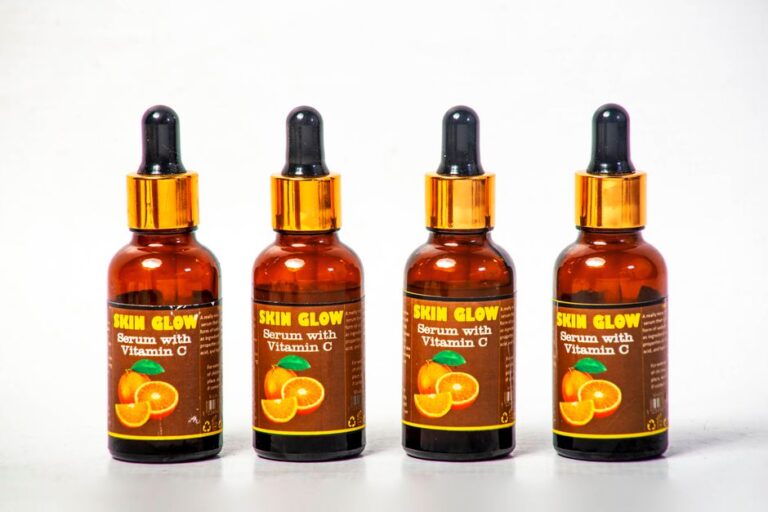
4. One targeted treatment, if needed. This is the only "optional" slot — a retinoid for texture and fine lines, a vitamin C for brightening, or a niacinamide for oil control and barrier support. Pick one based on your actual concern rather than adding several at once.

What You Can Skip (For Most People)
Toners — a hydrating toner isn't harmful, but it's rarely doing anything a good moisturizer isn't already covering, unless it contains an active ingredient you specifically want.
Essences and multiple serums stacked together — layering four or five actives increases irritation risk without a proportional increase in results. One well-chosen active usually outperforms several mediocre ones layered on top of each other.
Separate eye cream — for most people under 30 without a specific eye-area concern, the facial moisturizer applied gently around the eyes does the job. Eye creams are often just the face moisturizer in smaller packaging at a higher price.
Weekly masks as a "must-have" — masks can be enjoyable, but they're not doing work your daily routine isn't already doing. Treat them as optional self-care, not a routine essential.
A Sample Minimalist Morning and Night Routine
Morning: Cleanser (or just water if skin isn't oily overnight) → moisturizer → sunscreen. Three steps, under three minutes.
Night: Cleanser → treatment (retinoid, vitamin C, or niacinamide, alternating nights if needed) → moisturizer. Three to four steps.
That's the entire routine. Everything else is optional, seasonal, or concern-specific rather than a daily requirement.
When to Add a Fifth Step
A minimalist routine doesn't mean "never add anything." It means adding deliberately, one product at a time, and giving it 6–8 weeks to show results before deciding whether it earns a permanent spot. If a new product doesn't produce a noticeable difference in that window, it's a reasonable candidate to drop rather than keep by default.
Common Minimalist Routine Mistakes
Confusing "minimal" with "cheap." A minimalist routine can absolutely use higher-quality products — the point is fewer steps, not necessarily fewer dollars spent per product.
Skipping sunscreen to keep the routine short. This is the one step that should never be cut. If time is the constraint, cut a serum before cutting SPF.
Switching products too often. Minimalism only works if you give products time to work. Swapping cleansers or treatments every couple of weeks makes it impossible to tell what's actually helping.
Ignoring skin type when picking the "core four." A rich cream that works beautifully for dry skin can clog pores on oily skin. The four categories are fixed, but the specific product in each slot should match your skin.
The Takeaway
A minimalist skincare routine built around a gentle cleanser, the right moisturizer, daily sunscreen, and one targeted treatment covers what skin actually needs — and it's far easier to stick with than a ten-step routine that gets skipped on busy days. Add products deliberately and only after your core routine is consistent, not the other way around.
Frequently Asked Questions
Is a minimalist skincare routine as effective as a longer one?
For most skin concerns, yes. Consistency with the right core products (cleanser, moisturizer, sunscreen, one active) tends to outperform an elaborate routine used inconsistently.
How do I know if I need to add a step?
Start with the core four and give it several weeks. If a specific concern — like persistent texture or dullness — isn't improving, that's when a single targeted addition makes sense, not before.
Can I use a minimalist routine if I have acne-prone skin?
Yes. The core four still applies; the treatment step would typically be a well-tolerated acne-fighting ingredient like a low-percentage salicylic acid or benzoyl peroxide, introduced gradually.
Do I still need sunscreen on cloudy days with a minimalist routine?
Yes. UV rays pass through clouds, and daily sunscreen remains the most important step in any routine, minimalist or otherwise, regardless of visible sun.
Read next


Further reading & trusted sources
Worth knowing before you start
Layering three or four actives at once is the most common reason a ‘sensitive skin’ complaint shows up after switching to a bigger routine, since it becomes impossible to tell which product is causing the reaction. Giving one new product 6-8 weeks alone before adding the next is what actually reveals whether it’s working, not a marketing suggestion.
Ava reads the ingredient list long before the marketing claims — what interests her is which actives are genuinely proven and which are just a pretty bottle and a big promise. She leads GlowNourish’s skincare, makeup and hair coverage with one simple test: would this advice still hold up if a dermatologist read it? Every guide is researched with the help of AI tools and then human-edited for accuracy — no invented ‘clinical results’ and no fake reviews. For a real skin concern, she’ll always point you to a professional.