 By Ava Sinclair, Beauty Editor
Reviewed & updated September 2026
Finding a facial sunscreen that doesn't feel heavy, pill under makeup, or leave a ghostly cast can feel like trial and error — and honestly, a lot of it is. This guide breaks down what actually separates a great face sunscreen from a mediocre one, so you can shop by formula and skin type instead of guessing.
This article shares general skincare information, not medical advice. See a dermatologist for guidance specific to your skin.
 Quick navigationCurated by Ava · 7 min read
- Why Face Sunscreen Is Different From Body Sunscreen
- Chemical vs. Mineral Sunscreen — What Actually Matters
- What SPF Number Actually Means (and Why More Isn’t Proportionally Better)
- Matching Formula to Skin Type
- The “White Cast” Problem, Solved
- How Much to Actually Use (Most People Use Too Little)
- Reapplication Without Ruining Your Makeup
- The Takeaway
- Related articles
- Further reading & trusted sources
Why Face Sunscreen Is Different From Body Sunscreen
Body sunscreen is formulated to spread easily over large areas and hold up through sweat and water exposure. Facial skin is thinner, more visible, and often already dealing with other product layers — makeup, actives, moisturizer — so face-specific formulas prioritize different things: lighter textures, less pore-clogging potential, and finishes that work under makeup.
Using a thick body sunscreen on your face isn't dangerous, but it's often why people describe sunscreen as "greasy" or "breakout-causing" — the formula wasn't built for facial skin and makeup layering in the first place.
Chemical vs. Mineral Sunscreen — What Actually Matters
Chemical (organic filter) sunscreens use ingredients like avobenzone, octinoxate, or the newer filters like Tinosorb, which absorb UV rays and convert them to heat. They tend to feel lighter and blend in clear, which is why most "invisible" sunscreens are chemical formulas.
Mineral (physical) sunscreens use zinc oxide or titanium dioxide, which sit on top of skin and reflect UV rays. They're generally better tolerated by sensitive or acne-prone skin and are the default recommendation during pregnancy, but older mineral formulas were notorious for a white cast — modern micronized/tinted versions have mostly solved this.
Neither category is universally "better" — the right choice depends on your skin's sensitivity, your tolerance for texture, and whether a white cast is a dealbreaker for your skin tone.
What SPF Number Actually Means (and Why More Isn't Proportionally Better)
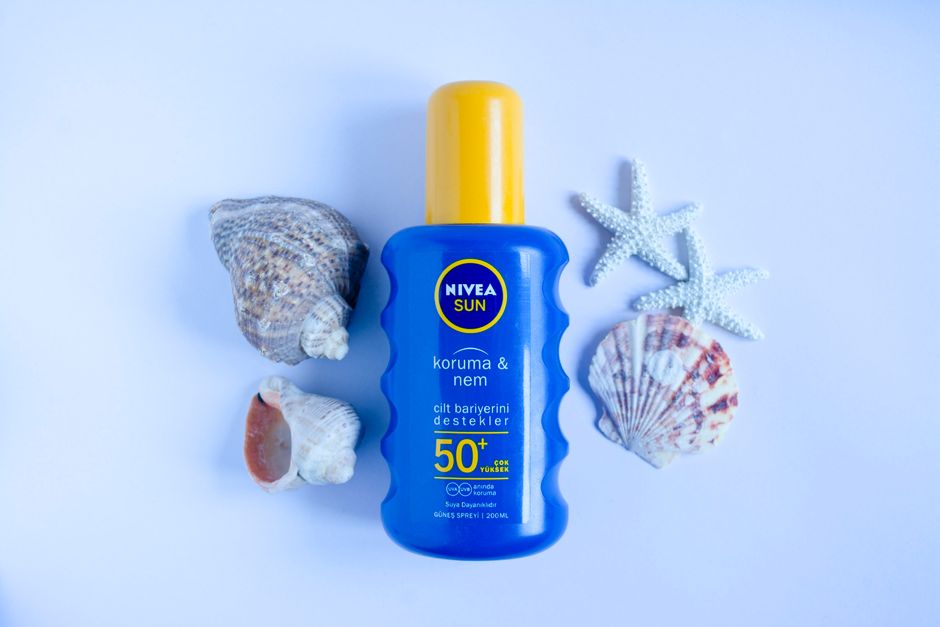
SPF 30 blocks about 97% of UVB rays; SPF 50 blocks about 98%. The jump from 30 to 50 is real but small — the bigger factor in real-world protection is application amount and reapplication, not the number on the bottle. Most dermatologists consider SPF 30 the practical minimum for daily face use, with SPF 50 as a reasonable upgrade for extended outdoor time, not a requirement for every day.
Look for "broad spectrum" on the label regardless of SPF number — this confirms the formula protects against UVA rays (aging, pigmentation) as well as UVB (burning), which the SPF number alone doesn't guarantee.
Matching Formula to Skin Type
Oily or acne-prone skin: Look for "non-comedogenic" gel or fluid sunscreens, often labeled "matte" finish. Silica or other mattifying ingredients in the formula help absorb excess oil throughout the day.
Dry skin: Cream or lotion-based sunscreens with hydrating ingredients like hyaluronic acid or ceramides prevent the sunscreen from emphasizing flaky patches.
Sensitive or reactive skin: Mineral formulas with minimal fragrance and fewer total ingredients reduce the chance of irritation. Patch-test any new sunscreen on your inner arm for a few days before full-face use.
Skin prone to melasma or hyperpigmentation: Tinted mineral sunscreens with iron oxides offer extra protection against visible light, which untinted sunscreens don't fully block and which is a known trigger for melasma flare-ups.
The "White Cast" Problem, Solved
The chalky white cast associated with mineral sunscreen comes from untreated zinc oxide particles sitting visibly on the skin surface. Modern formulas address this two ways: micronizing the mineral particles down to a size that scatters less visible light, or tinting the formula with iron oxides that match a range of skin tones.
If a mineral sunscreen leaves a cast, warming a pea-sized amount between fingertips before applying (rather than dotting cold product directly onto skin) helps it blend more evenly. Applying to slightly damp skin can also help distribute mineral formulas more smoothly.
How Much to Actually Use (Most People Use Too Little)
The standard dermatologist guidance is about a quarter-teaspoon (roughly a nickel-sized amount) for the face alone. Most people apply far less than this in practice, which is one of the most common reasons a "good" sunscreen still allows sun damage — under-application can cut the effective SPF significantly below what's on the label.
Applying as the last step of a morning routine, after moisturizer, and giving it a minute to set before makeup helps both protection and makeup application.
Reapplication Without Ruining Your Makeup
Reapplying sunscreen over makeup is one of the most common skipped steps, mainly because liquid sunscreen doesn't work well over a full face of makeup. Setting-powder-style mineral sunscreens (pressed powder with SPF) or facial mists with SPF are built specifically for this — they add a meaningful layer of protection without disturbing makeup, though they generally shouldn't be relied on as your only source of SPF for extended sun exposure.
The Takeaway
A great facial sunscreen is less about chasing the highest SPF number and more about finding a formula — chemical or mineral, gel or cream — that matches your skin type well enough that you'll actually wear it daily and reapply it when needed. Broad-spectrum SPF 30 or higher, applied generously and reapplied during extended sun exposure, matters far more than brand or price point.
Frequently asked questions
Do I need sunscreen on cloudy days or indoors?
UVA rays penetrate clouds and windows, so daily wear is generally recommended even indoors near windows or on overcast days, not just on sunny beach days.
Can I skip moisturizer and just use a sunscreen with SPF?
Many modern sunscreens include hydrating ingredients and can work as a light moisturizer-SPF combo for some skin types, but dry or mature skin often still benefits from a separate moisturizer underneath for adequate hydration.
Why does my sunscreen pill under makeup?
Pilling usually happens when too many product layers are applied too quickly without letting each one absorb, or when incompatible textures (silicone-heavy sunscreen under a water-based foundation) are layered. Waiting 60-90 seconds between steps and applying thin layers reduces pilling.
Is a higher SPF always better?
Not proportionally — SPF 50 blocks only about 1% more UVB than SPF 30. Consistent application and reapplication protect skin far more than chasing SPF 70 or 100 formulas.
Read next



Related articles
- How to Use a Gua Sha for Face Sculpting
- The Best Skincare Routine for Oily, Acne-Prone Skin
- “Niacinamide: Benefits, How to Use It, and What to Pair It With”
- How to Get Rid of Blackheads Safely
- How to Repair a Damaged Skin Barrier
- Peptides in Skincare: What They Do and How to Use Them
Further reading & trusted sources
Worth knowing before you start
Most people apply well under the dermatologist-recommended quarter-teaspoon for the face, which quietly cuts the real-world SPF far below what’s on the label — the number on the bottle assumes a generous amount most people never actually use. A visible white cast from mineral sunscreen fades faster if the product is warmed between fingertips before application instead of dotted on cold.
Ava reads the ingredient list long before the marketing claims — what interests her is which actives are genuinely proven and which are just a pretty bottle and a big promise. She leads GlowNourish’s skincare, makeup and hair coverage with one simple test: would this advice still hold up if a dermatologist read it? Every guide is researched with the help of AI tools and then human-edited for accuracy — no invented ‘clinical results’ and no fake reviews. For a real skin concern, she’ll always point you to a professional.