 By Ava Sinclair, Beauty Editor
Reviewed & updated August 2026
Gua sha has gone from a niche wellness practice to one of the most searched skincare tools of the last few years, and it's earned a permanent spot on a lot of bathroom counters for a simple reason: it feels genuinely relaxing and gives a visible de-puffing effect within minutes.
This is general skincare information, not medical advice — see a dermatologist for persistent skin concerns.
 On this pageCurated by Ava · 7 min read
What gua sha actually is
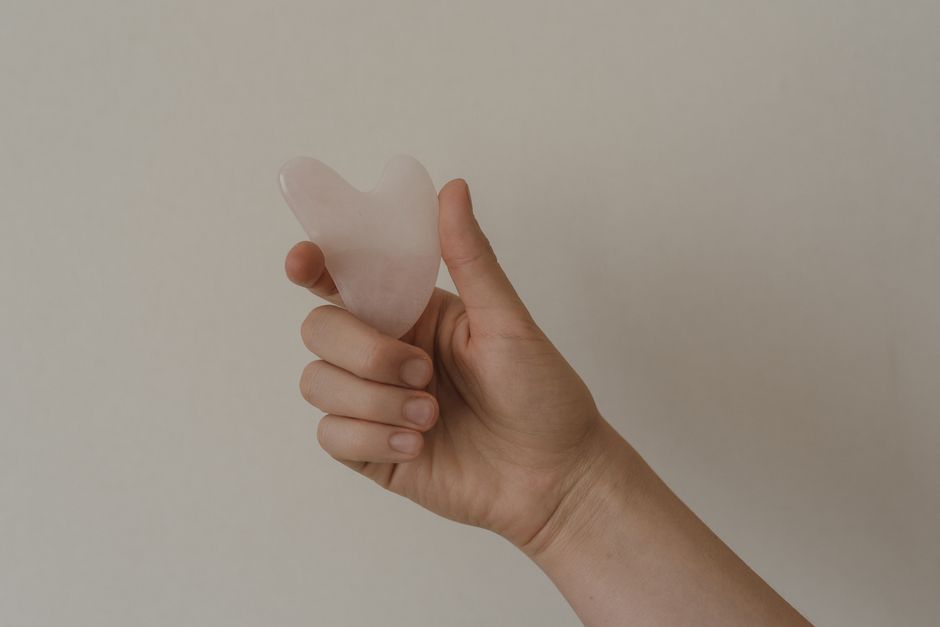
Gua sha is a flat, usually curved stone tool — traditionally jade, rose quartz, or bian stone — that you glide across the skin with light to firm pressure. It originated in traditional Chinese medicine as a body treatment for muscle tension, and the facial version adapted the technique for gentler, more precise strokes across the cheeks, jaw, and forehead.
The visible effects people chase — a more sculpted-looking jawline, reduced puffiness, a temporary glow — come primarily from two things: manual lymphatic drainage (moving fluid that's pooled overnight) and increased blood flow to the surface of the skin.
What it can and can't do
It's worth being honest about this upfront: gua sha does not permanently reshape your bone structure or dissolve fat. What it reliably does is reduce temporary puffiness and create a short-term contoured look that can last several hours, similar to what you'd get from a cold roller or a good night's sleep. Used consistently over weeks, many people report their skin looks more toned and less puffy as a baseline, but that's a cumulative massage effect, not a structural change.
Prepping your skin before you start
Gua sha should never be done on dry skin — the tool needs to glide, not drag, or you risk irritation and micro-tears in delicate areas like under the eyes.
- Cleanse your face first so you're not massaging in dirt or makeup.
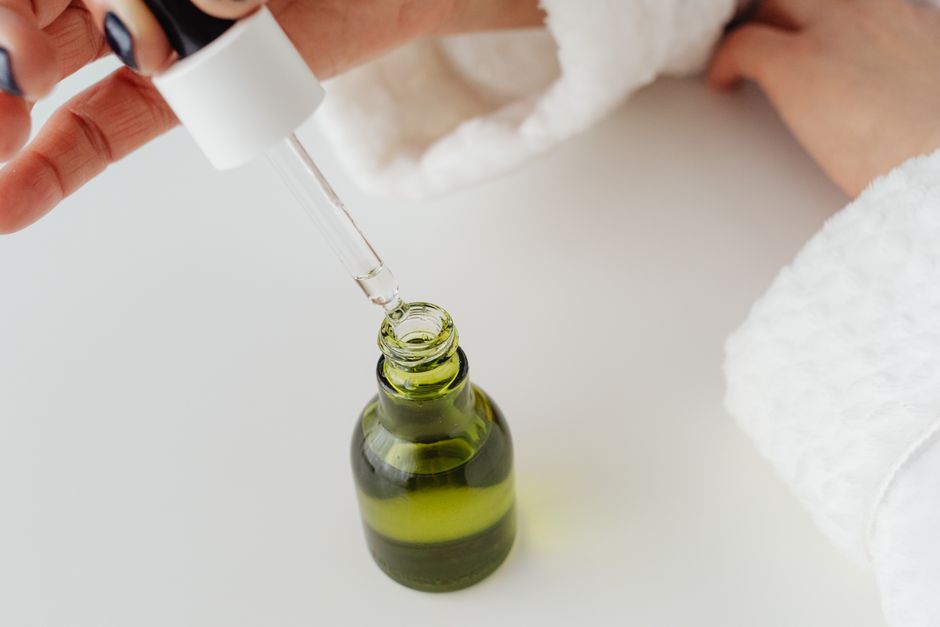
- Apply a facial oil or a thicker serum generously — this is the single most important prep step. A dry gua sha session does more harm than good.
- Warm the tool slightly under warm water if your skin is tense or you're doing this in the morning; a cool tool can feel better in the evening for de-puffing.
The basic technique, step by step
- Neck first. Always start at the base of your neck and work upward — this clears the lymphatic pathway so fluid has somewhere to drain to.
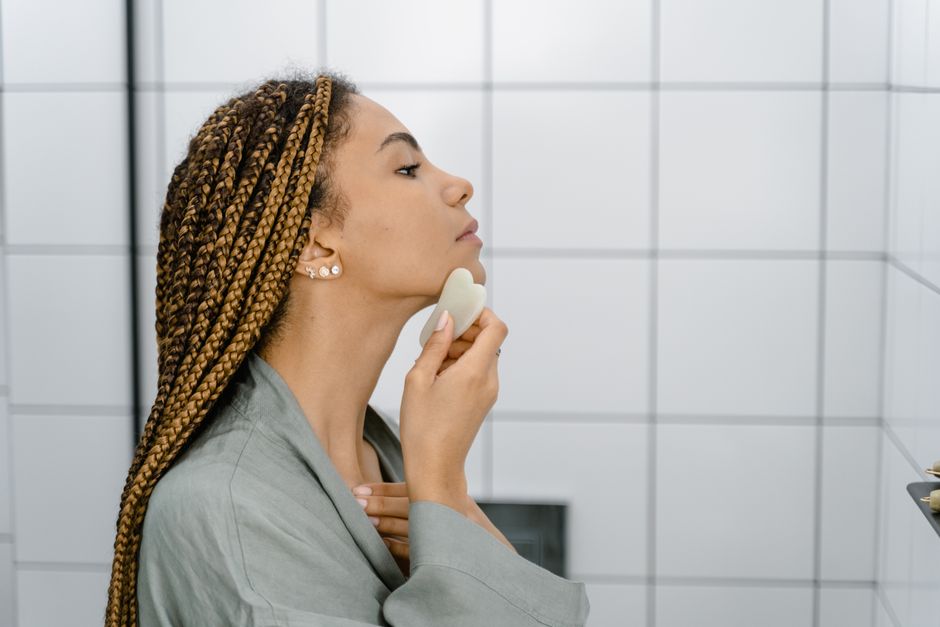
- Jawline. Angle the tool almost flat against the skin (not perpendicular) and sweep from your chin along the jaw to your ear, 3-5 strokes per side.
- Cheeks. Glide from the corner of your nose outward and slightly up toward your ear, following your cheekbone.
- Under-eye area. Use the smallest curve of the tool with very light pressure, sweeping from the inner corner outward toward the temple. This area needs the gentlest touch on your whole face.
- Forehead. Sweep from the center outward toward your hairline, and separately from your brow up toward your hairline.
- Finish at the neck again, sweeping downward toward your collarbone to "drain" everything you just moved.
How much pressure to use
Pressure should feel firm enough to feel the muscle underneath, but never painful, and never so hard that it drags or pinches the skin. Around the eyes, pressure should be barely more than the weight of the tool itself. If you see redness that lasts more than a few minutes or feel any sharp discomfort, you're pressing too hard.
How often to do it
Three to four times a week is a reasonable starting cadence for most people — enough to build the cumulative toning effect without over-massaging sensitive skin. A quick 5-minute morning session is enough for de-puffing; a slower 10-15 minute evening session gets more of the relaxation and circulation benefit. Daily use is fine as long as your skin isn't reacting.
Choosing a tool
Material matters less than shape for actual results — jade, rose quartz, and bian stone all work similarly. What matters more:
- A notched edge for the jawline and a rounded edge for cheeks and forehead gives you more precision than a single-shape tool.
- Weight — heavier stone tools (like bian stone) hold pressure more consistently with less hand fatigue.
- Avoid very cheap tools with sharp, unfinished edges — they can catch and drag on skin.
The takeaway
Gua sha is a low-cost, low-risk addition to a skincare routine that delivers real, if temporary, de-puffing and a relaxing ritual — not a permanent contouring treatment. Used correctly (with plenty of slip from oil, gentle pressure around the eyes, and consistent direction toward the lymph nodes), it's a genuinely nice five-to-fifteen-minute addition to your morning or evening routine.
Frequently asked questions
Does gua sha actually change your face shape permanently?
No. It reduces temporary puffiness and can create a more sculpted-looking result for several hours, and a subtler cumulative toning effect over weeks of consistent use, but it doesn't alter bone or fat structure.
Can I do gua sha on dry skin?
You shouldn't — always use a facial oil or thick serum first so the tool glides instead of dragging, which can irritate or micro-tear the skin.
How long until I see results?
De-puffing effects are visible within minutes of a single session. Any cumulative toning or texture improvement typically takes several weeks of consistent 3-4x-weekly use to notice.
Is gua sha safe for sensitive or acne-prone skin?
Generally yes for most areas, but avoid massaging directly over active breakouts, and use very light pressure if your skin is reactive. If you have rosacea or are prone to broken capillaries, check with a dermatologist about pressure levels first.
Read next

Related articles
- The 5-Step Skincare Routine for Beginners (2026)
- The Double Cleansing Method Explained (Do You Need It?)
- “Skin Cycling: The Routine Method Explained”
- How to Exfoliate Your Skin Safely (Without Overdoing It)
- The Best Sunscreens for Your Face (Non-Greasy Picks)
- Skincare Routine for Dry Skin: The Complete Guide
Further reading & trusted sources
The step most people skip
The de-puffed look people post right after a gua sha session comes almost entirely from moving fluid that pooled overnight, not from reshaping anything — which is why it fades back within several hours. Skipping the facial oil step is the most common mistake, since a dry tool drags on skin instead of gliding and can cause more irritation than benefit.
Ava reads the ingredient list long before the marketing claims — what interests her is which actives are genuinely proven and which are just a pretty bottle and a big promise. She leads GlowNourish’s skincare, makeup and hair coverage with one simple test: would this advice still hold up if a dermatologist read it? Every guide is researched with the help of AI tools and then human-edited for accuracy — no invented ‘clinical results’ and no fake reviews. For a real skin concern, she’ll always point you to a professional.