 By Ava Sinclair, Beauty Editor
Reviewed & updated August 2026
This article is general skincare information, not medical advice. GlowNourish may earn a small commission from some links, at no extra cost to you — see our Affiliate Disclosure. Avoid retinol during pregnancy and breastfeeding unless cleared by your doctor.
If skincare had a hall of fame, retinol would have a permanent spot. It's one of the few ingredients with decades of research behind it, proven to smooth fine lines, fade dark spots, improve texture, and even help with breakouts. But it also has a reputation — for redness, peeling, and irritation that scares beginners off. The truth? Almost all of that comes from starting too strong, too fast. Done right, retinol is gentle, transformative, and worth every bit of the hype. Here's how to begin the smart way.
 Quick navigationCurated by Ava · 6 min read
What retinol actually does
Retinol is a form of vitamin A. When you apply it, your skin converts it into retinoic acid, which speaks directly to your skin cells and tells them to behave younger:
- Speeds up cell turnover — fresh cells surface faster, smoothing texture and dullness.
- Boosts collagen — softening fine lines and improving firmness over time.
- Unclogs pores — which is why it helps prevent breakouts and blackheads.
- Fades pigmentation — dark spots and post-acne marks gradually even out.
It's genuinely a multitasker. No serum will erase years overnight, but with consistent use over months, retinol delivers visible, lasting change few ingredients can match.
Retinol vs retinoids — the quick version
You'll see a confusing family of names. Here's the simple hierarchy from gentlest to strongest:
- Retinyl esters (retinyl palmitate) — mildest, good for very sensitive skin.
- Retinol — the classic over-the-counter strength; the sweet spot for most beginners.
- Retinaldehyde (retinal) — a step stronger and faster-acting, still available without prescription.
- Prescription retinoids (tretinoin, adapalene) — strongest, fastest, derm-prescribed (adapalene is also sold OTC for acne).
Beginners should start with a low-percentage retinol (0.2–0.5%) or a gentle retinal. You can always work up; you can't undo a week of irritation.
How to start retinol without irritation
This is the whole game. Follow these and you'll skip the horror stories:
1. Start low and slow
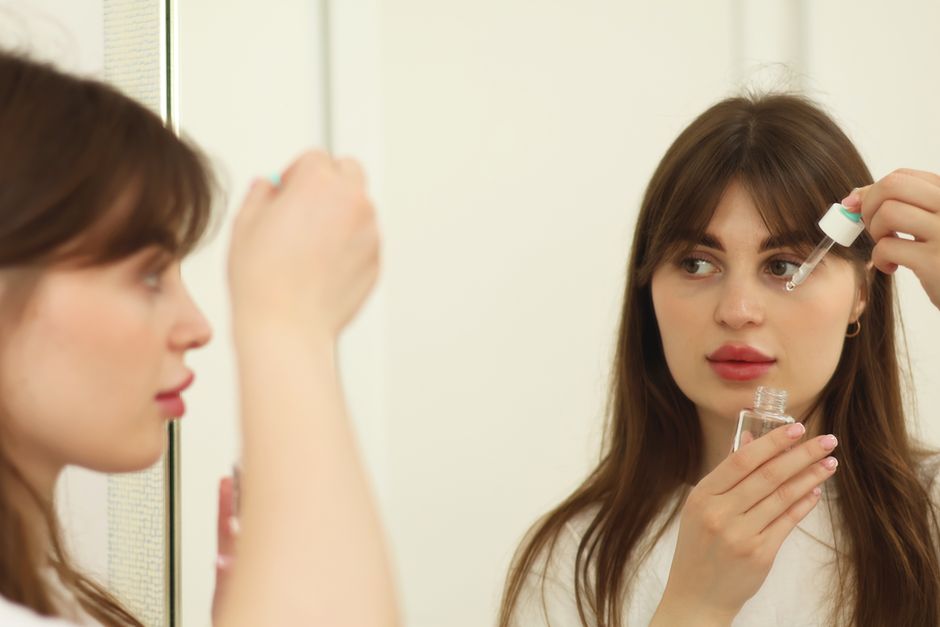
Begin with a low concentration, used just 2 nights a week. After two weeks with no irritation, go to every other night. After another few weeks, build toward nightly if your skin is happy. Slow wins.
2. Use it at night only
Retinol breaks down in sunlight and makes skin more sun-sensitive, so it's a strictly PM ingredient.
3. The "sandwich" method
If you're nervous or sensitive: apply moisturiser, then a pea-sized amount of retinol, then moisturiser again. The buffer dramatically reduces irritation while your skin adjusts.
4. A pea-sized amount is plenty
For your entire face. More does not mean faster results — it means more irritation. Avoid the delicate eye area, corners of the nose, and lips.
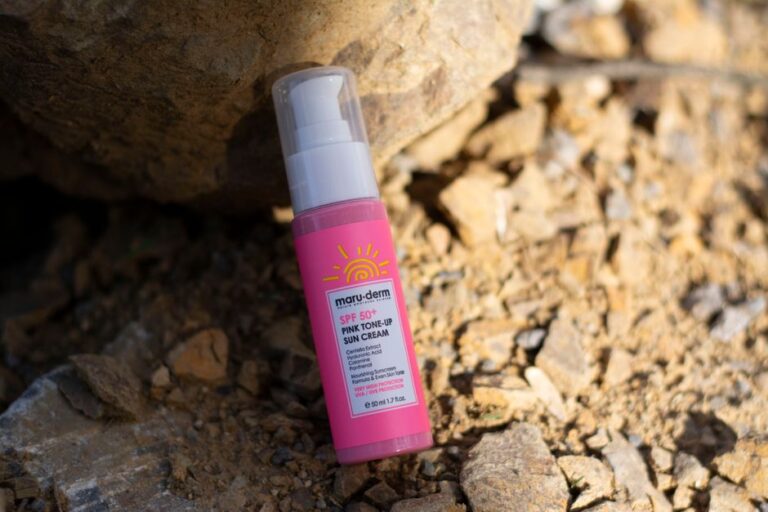
5. Always wear sunscreen the next morning
Non-negotiable. Retinol without daily SPF is counterproductive — you'll undo its benefits and risk more sensitivity. See our 5-step skincare routine.
What to expect (the honest timeline)
- Weeks 1–4: the adjustment phase. Some dryness, mild flaking, or "purging" (temporary breakouts as turnover speeds up) is normal. Keep amounts small and moisturise well.
- Weeks 6–12: skin looks smoother, brighter, and more even. Texture improves first.
- 3–6 months and beyond: fine lines soften, dark spots fade, and firmness improves. This is where the magic compounds — so don't quit early.
Mild dryness is normal; raw, stinging, persistently red skin is not — that means you're going too fast. Scale back to once or twice a week and buffer with moisturiser.
What not to pair with retinol
To avoid over-irritating your skin, don't layer retinol at the same time as:
- Strong exfoliating acids (glycolic, salicylic) — alternate them on different nights.
- Benzoyl peroxide — can deactivate some retinols; use at different times.
- Vitamin C — not harmful, but better in the morning (C in AM, retinol in PM) so neither overwhelms your skin.
Great retinol partners: hyaluronic acid, niacinamide, ceramides, and a rich moisturiser — all of which soothe and support your barrier.
Common beginner mistakes
- Starting nightly from day one — the fast track to peeling and quitting.
- Using too much — a pea-sized amount is the whole face.
- Giving up during the adjustment phase — weeks 1–4 can be bumpy; push through gently.
- Skipping sunscreen — undoes the benefits and increases sensitivity.
- Layering every active at once — overwhelms the skin barrier.
Frequently asked questions
At what age should I start retinol?
There's no magic age, but many people begin in their mid-to-late 20s for prevention. If you're using it for acne or texture, you can start whenever those concerns appear — just go gentle.
Can I use retinol around my eyes?
The under-eye area is delicate. Use a dedicated low-strength eye retinol or keep regular retinol on the orbital bone, not the lid. Stop if it irritates.
Why is my skin peeling?
Mild flaking is the normal adjustment phase. Reduce frequency, use less product, buffer with moisturiser, and it settles as your skin builds tolerance.
Can I use retinol with vitamin C?
Yes — just at different times. Vitamin C in the morning, retinol at night. This keeps both effective without overloading your skin.
Is retinol safe in pregnancy?
No — retinol and other retinoids are generally advised against during pregnancy and breastfeeding. Switch to alternatives like bakuchiol and check with your doctor.
The bottom line
Retinol earns its legendary status — but only if you respect the golden rule: start low, go slow, moisturise, and wear sunscreen. Begin with a gentle formula twice a week, build up patiently, and give it months, not days. Push through the brief adjustment phase and you'll be rewarded with smoother, brighter, firmer skin that few other ingredients can deliver.
Next: slot retinol into your 5-step skincare routine, and brighten by day with the best vitamin C serums.
Read next


Related articles
- How to Get Rid of Acne: A Complete, Honest Guide
- DIY Coffee Under-Eye Serum for Dark Circles & Puffiness
- How to Find Your Perfect Foundation Shade (2026)
- 9 Best Vitamin C Serums for Glowing Skin (2026)
- The 5-Step Skincare Routine for Beginners (2026)
- The Double Cleansing Method Explained (Do You Need It?)
Further reading & trusted sources
Where routines usually go wrong
Start low and slow — once or twice a week, a pea-sized amount — or the peeling will scare you off the one ingredient with real evidence. Early flaking is a sign to ease off, not push harder.
Ava reads the ingredient list long before the marketing claims — what interests her is which actives are genuinely proven and which are just a pretty bottle and a big promise. She leads GlowNourish’s skincare, makeup and hair coverage with one simple test: would this advice still hold up if a dermatologist read it? Every guide is researched with the help of AI tools and then human-edited for accuracy — no invented ‘clinical results’ and no fake reviews. For a real skin concern, she’ll always point you to a professional.