 By Ava Sinclair, Beauty Editor
Reviewed & updated August 2026
It doesn't have the marketing budget of retinol or the trendiness of gua sha, but azelaic acid quietly does more heavy lifting than most ingredients on your shelf — brightening, calming redness, and clearing breakouts, often with less irritation than the actives it gets compared to. Here's what it actually does and how to fit it into a routine without wasting money on the wrong strength.
This article shares general skincare information, not medical advice. See a dermatologist for persistent acne, rosacea, or pigmentation concerns.
 Jump to a sectionCurated by Ava · 7 min read
What azelaic acid actually is
Azelaic acid is a naturally occurring dicarboxylic acid found in grains like wheat, rye, and barley, though the version in skincare products is lab-synthesized for consistency and stability. It's been used as a prescription treatment for rosacea and acne for decades (brand names like Finacea and Azelex are 15-20% prescription formulas) before lower-strength versions, typically 10% or under, moved into over-the-counter skincare.
Unlike a lot of trendy actives, azelaic acid isn't a single-purpose ingredient. It has antibacterial, anti-inflammatory, and mild exfoliating properties, plus a well-documented ability to interrupt the pigment-production process that causes dark spots — which is why it shows up in routines for acne, rosacea, and hyperpigmentation all at once.
What it's actually good for
Acne, including hormonal and cystic types. Azelaic acid targets Cutibacterium acnes (the bacteria linked to breakouts) and helps normalize how skin cells shed inside pores, which reduces clogging. It's often recommended alongside or as an alternative to salicylic acid or benzoyl peroxide for people whose skin can't tolerate those without excessive dryness.
Post-inflammatory hyperpigmentation. This is where azelaic acid tends to shine. It inhibits tyrosinase, an enzyme involved in melanin production, which makes it effective for fading the dark marks left behind after a pimple heals — a common frustration for anyone dealing with hormonal acne.
Redness and rosacea. Its anti-inflammatory effect calms visible redness and the bumps associated with rosacea, which is the original reason it was formulated as a prescription treatment in the first place.
Uneven tone and mild texture. Regular use smooths rough texture and evens out tone over 8-12 weeks, though results build gradually rather than overnight.
How azelaic acid compares to other actives
Compared to retinol, azelaic acid is generally gentler and safe to use during pregnancy (always confirm with your doctor), while retinol is not recommended during pregnancy. Compared to hydroquinone, a stronger prescription skin-lightening agent, azelaic acid is milder and carries less risk of rebound pigmentation or irritation, making it a common alternative for long-term use. It also pairs well with niacinamide, which shares a similar gentle profile and complements azelaic acid's brightening effect.
How to actually use it
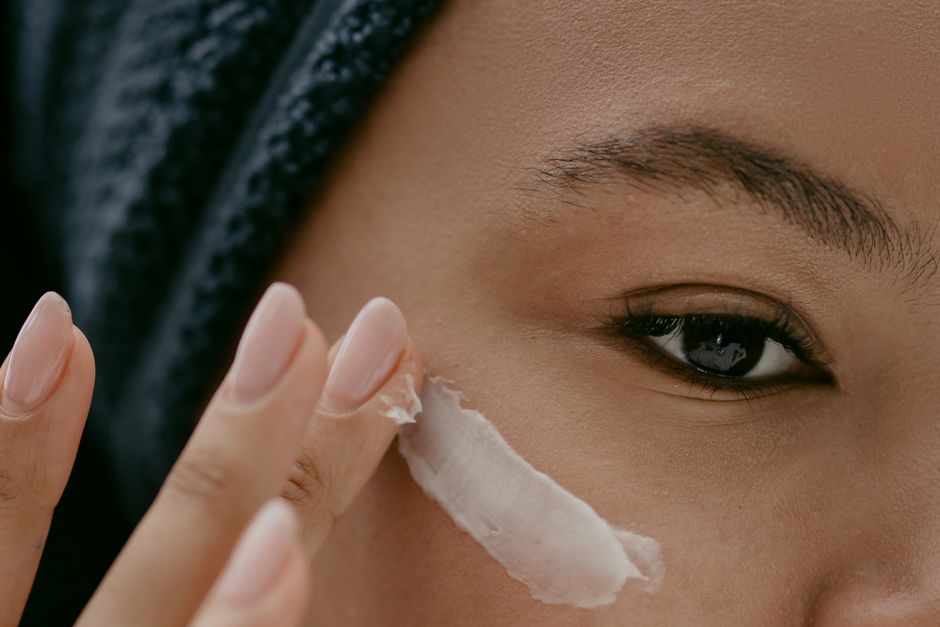
Start with a lower concentration (around 10%) applied once daily, usually in the evening, to a clean, dry face. Most formulas come as a cream or gel — apply a pea-sized amount evenly, avoiding the eye area, and follow with moisturizer if your skin runs dry.
Expect a temporary tingling or warm sensation on application, especially the first few times. This is normal and usually fades within a few minutes; it's not the same as an allergic reaction, though persistent burning or hives is a sign to stop and consult a dermatologist.
Give it time. Azelaic acid is not a fast-acting ingredient. Most people need 8-12 weeks of consistent use before seeing a real difference in tone or breakouts, similar to the timeline for retinol.
Can it be used daily? Yes, for most people, once your skin adjusts. If you're new to actives generally, start every other day for the first one to two weeks.
What to layer it with (and what to be careful with)
Azelaic acid plays well with most other actives, including vitamin C, niacinamide, and hyaluronic acid. It's considered one of the more layering-friendly actives precisely because it doesn't destabilize as easily as some vitamin C formulas or cause the same irritation risk as combining retinol with exfoliating acids — see our guide on how to layer vitamin C and retinol for the more delicate combinations.
If you're using a strong retinol or exfoliating acid (like glycolic or salicylic) in the same routine, consider alternating nights rather than stacking everything at once, especially while your skin is adjusting to a new product. This isn't because azelaic acid is unusually reactive — it's simply good practice anytime you're introducing multiple actives to a beginner routine.
[TAKE] The biggest mistake I see people make with azelaic acid is giving up after two weeks because "nothing happened." This is one of the slower-acting actives — the visible payoff on pigmentation and texture genuinely takes a full skin cycle or two, so judge it at the 8-week mark, not the 8-day mark.
Who should be cautious
Azelaic acid is broadly considered one of the safer actives, including for sensitive skin and (per your doctor's guidance) during pregnancy. That said, patch testing on your inner arm or jawline for 24-48 hours before applying it to your whole face is a smart step for anyone with a history of reactive or eczema-prone skin.
Common mistakes to avoid
Using too high a concentration too soon. Jumping straight to a 15-20% formula without building tolerance increases the odds of irritation for no faster payoff — the effect builds with consistency, not concentration alone.
Skipping sunscreen. Like most actives that target pigmentation, azelaic acid's results can be undone by unprotected sun exposure, which triggers more pigment production. Daily SPF is non-negotiable if hyperpigmentation is your goal.
Expecting overnight results for acne. Azelaic acid calms inflammation and normalizes cell turnover gradually — it's not a spot treatment for an active breakout the night before an event.
The takeaway
Azelaic acid is one of the more underrated actives in skincare: gentle enough for sensitive and pregnancy-safe routines, but effective against acne, redness, and hyperpigmentation all at once. Start at a lower concentration, apply consistently for at least two months, and don't skip the sunscreen — that combination is what actually delivers the clearer, more even tone people are looking for.
Frequently asked questions
Can I use azelaic acid every day?
Yes, once your skin has adjusted. Many people start every other day for the first one to two weeks, then move to daily use if there's no irritation.
Is azelaic acid better than niacinamide?
They're not direct competitors — azelaic acid is stronger for acne and stubborn pigmentation, while niacinamide is gentler and better for general barrier support and oil control. Many routines use both.
Can I use azelaic acid with retinol?
Yes, though if you're new to either, alternate nights at first to see how your skin responds before combining them in the same routine.
How long until azelaic acid clears dark spots?
Most people see meaningful fading of post-acne marks and pigmentation after 8-12 weeks of consistent daily use, alongside diligent sunscreen use.
Read next

Further reading & trusted sources
The detail that matters most
Azelaic acid is one of the slower-acting actives, which is exactly why so many people quit it around week two believing it ‘doesn’t work’ — the real payoff on tone and texture usually shows up closer to the eight-week mark. The tingling sensation on first application is normal and typically fades within minutes; it isn’t the same thing as an allergic reaction.
Ava reads the ingredient list long before the marketing claims — what interests her is which actives are genuinely proven and which are just a pretty bottle and a big promise. She leads GlowNourish’s skincare, makeup and hair coverage with one simple test: would this advice still hold up if a dermatologist read it? Every guide is researched with the help of AI tools and then human-edited for accuracy — no invented ‘clinical results’ and no fake reviews. For a real skin concern, she’ll always point you to a professional.