 By Ava Sinclair, Beauty Editor
Reviewed & updated August 2026
Body acne gets a fraction of the attention face acne does, even though it's just as frustrating — and just as treatable once you understand why it shows up differently on your back, chest, and shoulders than it does on your face. Here's how to actually clear it up without irritating skin that's already inflamed.
This is general skincare information, not medical advice — see a dermatologist for persistent or severe body acne.
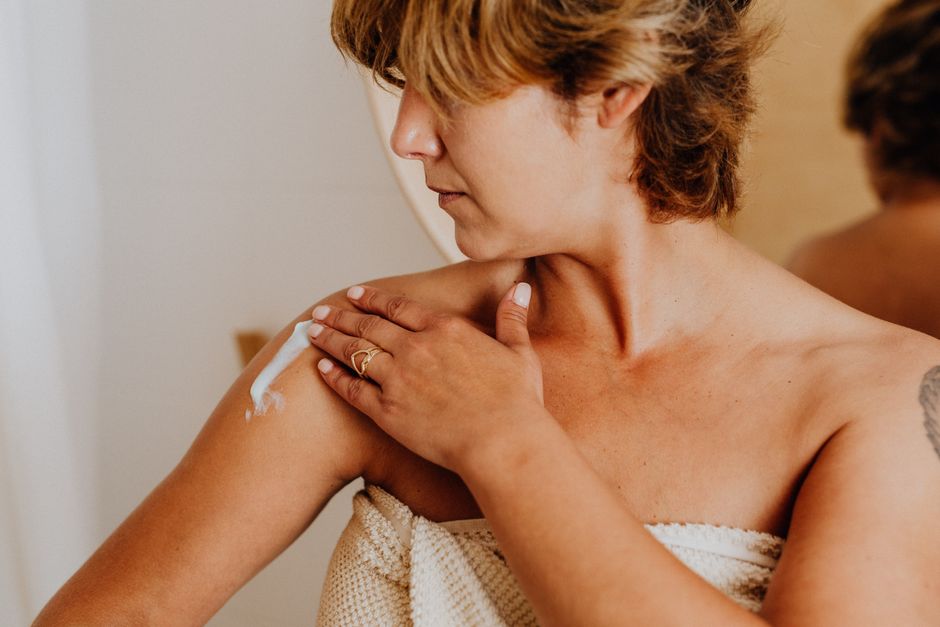 On this pageCurated by Ava · 5 min read
Why body acne isn't just "face acne, but lower"
The skin on your back and chest has larger pores, thicker skin, and more oil glands per square inch than your face, which is why body breakouts often look bigger, deeper, and more stubborn. Add friction from backpacks, tight clothing, and sweat that sits against skin longer than it does on your face, and you get a recipe for clogged pores that face-only routines rarely address.
Start with the shower, not the serum
The single biggest lever for body acne is what happens in the shower, not what you apply after.
- Shower as soon as possible after sweating — bacteria and oil sitting on skin for hours is a major trigger
- Use a body wash with salicylic acid (2%) or benzoyl peroxide (2.5-5%), left on for 60-90 seconds before rinsing so it has time to actually work
- Avoid scrubbing hard with a rough loofah — physical irritation can make acne-prone skin worse, not better
Building a body acne routine
- Cleanse with a salicylic acid or benzoyl peroxide body wash, focusing on the back, chest, and shoulders
- Treat stubborn spots with a leave-on benzoyl peroxide spot treatment or a thin layer over the whole affected area a few times a week
- Moisturize with a lightweight, oil-free, non-comedogenic lotion — skipping this step because skin feels oily often backfires, since dehydrated skin can overproduce oil
- Protect with a non-comedogenic SPF on any exposed chest or shoulder skin during the day
Clothing and habits that make a real difference
- Change out of sweaty workout clothes as soon as possible rather than lounging in them
- Choose moisture-wicking, breathable fabrics over tight synthetic blends for workouts
- Wash sports bras, backpack straps, and helmet straps regularly — they hold onto oil and bacteria that transfer straight back to skin
- Switch to a fresh pillowcase and towel a couple times a week if chest or back acne is persistent

When over-the-counter treatment isn't enough
If body acne is deep, cystic, or leaving dark marks and scars behind, over-the-counter salicylic acid and benzoyl peroxide often aren't strong enough on their own. A dermatologist can prescribe oral or topical retinoids, oral antibiotics, or in some cases spironolactone for hormonally-driven body acne — options that aren't available without a prescription but can make a real difference for stubborn cases.
The takeaway
Body acne responds well to the basics done consistently: a salicylic acid or benzoyl peroxide wash left on for a minute, quick post-sweat showers, breathable fabrics, and a lightweight moisturizer so skin doesn't overcompensate with more oil. Give any new routine 6-8 weeks before judging it, since body skin turns over more slowly than face skin, and see a dermatologist if breakouts are deep, painful, or scarring.
Frequently asked questions
Why do I get acne on my back but not my face?
Back and chest skin has more oil glands and thicker skin than the face, plus more exposure to friction from clothing and backpacks — all of which make it prone to different, often deeper breakouts.
Can benzoyl peroxide bleach clothes and sheets?
Yes — it can bleach fabric on contact, so let it dry fully before dressing or getting into bed, or use white towels and sheets while treating body acne.
How long before I see results treating body acne?
Most people notice fewer new breakouts within 4-6 weeks of consistent treatment, but existing marks and texture can take 2-3 months to fully fade.
Is body acne caused by not showering enough?
Not necessarily — plenty of people who shower daily still get body acne because of oil gland activity, hormones, or friction from clothing. Hygiene matters, but it's rarely the whole story.
Read next

Further reading & trusted sources
The detail that matters most
Benzoyl peroxide’s bleaching effect on fabric shows up on colored towels and pillowcases just as reliably as it does on white ones — people often blame the product for ‘ruining’ laundry when the real fix is simply switching to white linens during treatment. Body skin turns over more slowly than face skin, which is why the same active ingredient that clears a facial breakout in a few weeks can take 6-8 weeks to show comparable results on the back or chest.
Ava reads the ingredient list long before the marketing claims — what interests her is which actives are genuinely proven and which are just a pretty bottle and a big promise. She leads GlowNourish’s skincare, makeup and hair coverage with one simple test: would this advice still hold up if a dermatologist read it? Every guide is researched with the help of AI tools and then human-edited for accuracy — no invented ‘clinical results’ and no fake reviews. For a real skin concern, she’ll always point you to a professional.