 By Ava Sinclair, Beauty Editor
Reviewed & updated September 2026
As an Amazon Associate, GlowNourish earns from qualifying purchases. We only recommend products we would suggest to a friend — see our Affiliate Disclosure.
This article contains links to products we recommend. GlowNourish may earn a commission from some links, at no extra cost to you — see our Affiliate Disclosure. It is general beauty information.
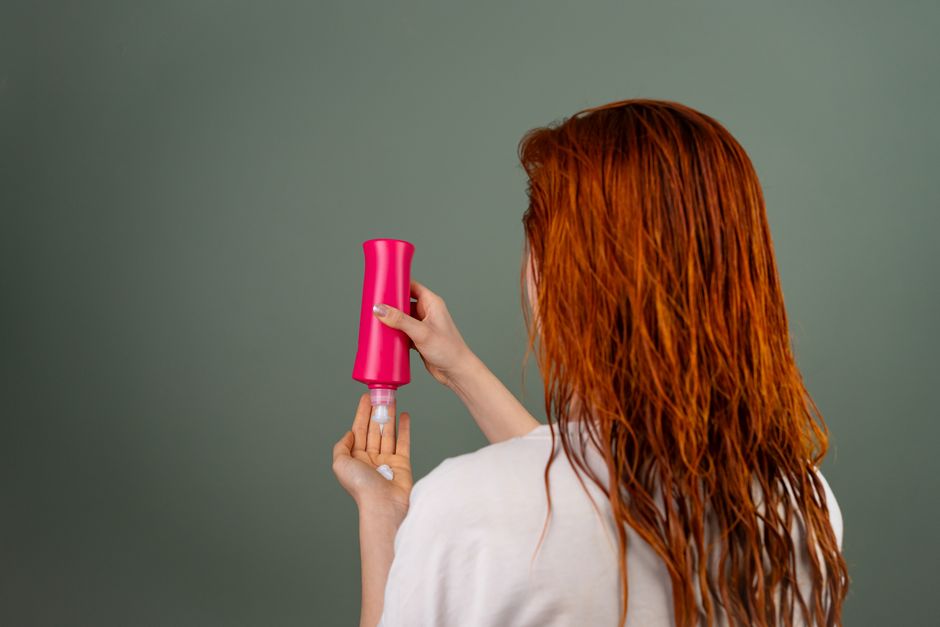
Heat tools, colour, bleach, sun, and everyday wear all take a toll — and when hair turns dry, brittle, frizzy, and dull, your regular conditioner often isn't enough. That's where a deep-conditioning hair mask comes in: a concentrated weekly treatment that floods damaged strands with moisture, protein, and repair. The right one can transform straw-like hair into something soft, shiny, and manageable. Here are eight of the best for every kind of damage, plus how to use them properly.
Quick picks:
- 🏆 Best overall: A bond-repair deep mask for all damage — Check price on Amazon →
- 💧 Best for dryness: An intense moisture mask — Check price on Amazon →
- 💪 Best protein mask: A strengthening protein treatment — Check price on Amazon →
Jump to a sectionCurated by Ava · 7 min readMoisture vs protein: know what your hair needs
This is the most important thing to understand before buying. Damaged hair usually needs one of two things (or a balance of both):
- Moisture — if your hair is dry, brittle, frizzy, and rough. Moisture masks soften and hydrate.
- Protein — if your hair is limp, mushy when wet, overly stretchy, or chemically/heat damaged. Protein masks rebuild strength.
Too much protein makes hair stiff and brittle; too much moisture makes it limp and weak. The healthiest hair has a balance — so alternate, or choose a mask that does both, and listen to how your hair responds.
The 8 best hair masks
| Category | Our pick | Best for |
|---|---|---|
| 🏆 Best overall | Bond-repair deep mask | All damage types, especially heat and colour |
| 💧 Best for dryness | Intense moisture mask | Dry, coarse, dehydrated hair |
| 💪 Best protein mask | Strengthening treatment | Limp, over-processed, breakage-prone hair |
| 🎨 Best for colour-treated hair | Colour-safe repair mask | Coloured and highlighted hair |
| 🌀 Best for curly hair | Curl-defining moisture mask | Curly and coily hair |
| 🌿 Best natural option | Oil-based nourishing mask | Dry hair and natural-ingredient lovers |
| 💸 Best budget | Affordable deep conditioner | Everyone; budgets and beginners |
| ⚡ Best leave-in treatment | Overnight repair mask | Severely damaged hair |
🏆 Best overall: Bond-repair deep mask
Bond-building technology repairs the internal structure of damaged hair, working on the actual broken links inside the strand. It addresses most types of damage and suits nearly everyone.
- Best for: All damage types, especially heat and colour.
- Pros: Repairs from within, visible softness and shine.
- Cons: Premium price (but a little goes far).
💧 Best for dryness: Intense moisture mask
A rich, hydrating treatment packed with oils and humectants that rescues parched, brittle hair and restores softness and slip.
- Best for: Dry, coarse, dehydrated hair.
- Pros: Deep hydration, instant manageability.
- Cons: Can weigh down very fine hair.
💪 Best protein mask: Strengthening treatment
Rebuilds strength in weak, over-processed, stretchy hair with keratin or other proteins — ideal after bleaching or heavy heat damage.
- Best for: Limp, over-processed, breakage-prone hair.
- Pros: Restores strength and structure.
- Cons: Use occasionally — overuse causes stiffness.
🎨 Best for colour-treated hair: Colour-safe repair mask
Nourishes and repairs while protecting your colour, preventing the dryness and fading that dyeing causes.
- Best for: Coloured and highlighted hair.
- Pros: Repairs and preserves colour vibrancy.
- Cons: Targeted formula — best alongside colour-safe shampoo.
🌀 Best for curly hair: Curl-defining moisture mask
A deeply moisturising mask formulated for curls and coils, enhancing definition and bounce while taming frizz.
- Best for: Curly and coily hair.
- Pros: Hydrates, defines, reduces frizz.
- Cons: Rich — fine curls may need less.
🌿 Best natural option: Oil-based nourishing mask
A natural, oil-rich treatment (think argan, coconut, or shea) for those who prefer simpler ingredients and deep, glossy nourishment.
- Best for: Dry hair and natural-ingredient lovers.
- Pros: Simple, nourishing, adds shine.
- Cons: Can be heavy; rinse thoroughly.
💸 Best budget: Affordable deep conditioner
Proof you don't need to splurge — affordable deep-conditioning masks deliver real softness and repair for a few dollars.
- Best for: Everyone; budgets and beginners.
- Pros: Great value, reliable results.
- Cons: Basic packaging.
⚡ Best leave-in treatment: Overnight repair mask
A leave-in or overnight mask that works while you sleep, ideal for very damaged hair needing maximum repair time.
- Best for: Severely damaged hair.
- Pros: Long contact time, deep repair.
- Cons: Protect your pillow with a silk cap.
How to use a hair mask for best results
- Shampoo first and squeeze out excess water — soaking wet hair dilutes the mask.
- Apply to mid-lengths and ends, where damage lives. Keep most masks off the scalp (it gets oily).
- Comb through with a wide-tooth comb to distribute evenly.
- Leave it on for the recommended time — usually 5–20 minutes. A shower cap and a little warmth (a warm towel) boost absorption.
- Rinse thoroughly with cool water to seal the cuticle and add shine.
- Use 1–2 times a week — more isn't better, and overusing protein can backfire.
Frequently asked questions
How often should I use a hair mask?
Once or twice a week for damaged hair. Daily use can cause buildup or, with protein masks, stiffness.
Do I need moisture or protein?
Dry, brittle, frizzy hair needs moisture. Limp, mushy, over-stretchy, or over-processed hair needs protein. Healthy hair needs a balance — alternate if unsure.
Can I leave a hair mask on overnight?
Only if it's designed as a leave-in/overnight treatment. Regular rinse-out masks can weigh hair down or cause buildup if left too long.
Where do I apply it — scalp or ends?
Mainly mid-lengths and ends, where damage concentrates. Most masks should stay off the scalp to avoid greasiness (unless it's a scalp treatment).
The bottom line
A weekly hair mask is the single best thing you can do for damaged hair — but only if you choose the right type: moisture for dry, brittle strands; protein for weak, over-processed ones; bond-repair for all-round damage. Apply to the ends, leave it to work, rinse cool, and use it consistently. Pair it with gentle handling and less heat, and even badly damaged hair can look soft and shiny again.
🏆 Top pick: Bond-Repair Hair Mask — Check price on Amazon →
Next: protect your length with how to grow hair faster and healthier and beat flyaways with our frizz guide.
Read next
Related articles
- The Complete Scalp Care Routine for Healthier, Fuller Hair
- The 8 Best Mascaras for Length & Volume (2026)
- 12 Best Drugstore Foundations Under $15 (2026)
- 9 Best Vitamin C Serums for Glowing Skin (2026)
- DIY Hair Mask for Dry Hair: 4 Natural Recipes
- The 10 Best Lipsticks for Every Occasion (2026)
Further reading & trusted sources
The detail that matters most
A mask makes damaged hair look and feel better, but it can’t truly repair a broken cuticle — protecting hair from heat and friction does more than any treatment. Prevention first, mask second.
Ava reads the ingredient list long before the marketing claims — what interests her is which actives are genuinely proven and which are just a pretty bottle and a big promise. She leads GlowNourish’s skincare, makeup and hair coverage with one simple test: would this advice still hold up if a dermatologist read it? Every guide is researched with the help of AI tools and then human-edited for accuracy — no invented ‘clinical results’ and no fake reviews. For a real skin concern, she’ll always point you to a professional.