 By Ava Sinclair, Beauty Editor
Reviewed & updated September 2026
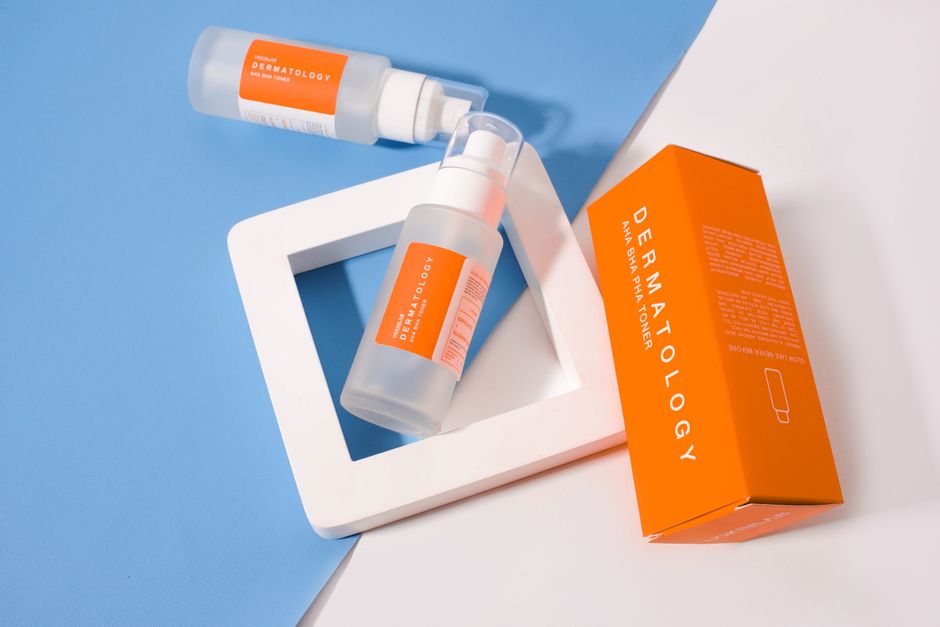
If glycolic acid leaves your skin red and stinging but you still want the smoothing benefits of an exfoliating acid, PHA is the one worth looking at. It's part of the same acid family as AHAs, but a bigger molecule size makes it noticeably gentler — which is exactly why it's become the go-to exfoliant recommendation for sensitive, reactive, and rosacea-prone skin.
This is general skincare information, not medical advice. Talk to a dermatologist before starting a new active ingredient, especially if you have sensitive or reactive skin.
 Skip ahead toCurated by Ava · 7 min read
What is PHA?
PHA stands for polyhydroxy acid, a category of chemical exfoliants that includes gluconolactone and lactobionic acid. Like AHAs (glycolic acid, lactic acid, mandelic acid), PHAs work by loosening the bonds between dead skin cells on the surface of the skin, encouraging them to shed and reveal smoother, more even-toned skin underneath.
The key difference is molecule size. PHA molecules are significantly larger than AHA molecules, which means they penetrate the skin more slowly and stay closer to the surface. That slower penetration is what makes PHAs feel milder — less stinging, less redness, and less risk of over-exfoliating — while still delivering a real exfoliating effect over time.
Why PHA matters
Most people who try chemical exfoliants reach for glycolic acid first because it's the most talked-about AHA, then get discouraged when it causes stinging, redness, or peeling. PHA solves that problem by delivering a similar smoothing, brightening benefit without the harsh reaction, which makes it realistic to use consistently instead of abandoning exfoliation altogether.
PHAs also have a humectant quality — gluconolactone in particular draws in and holds moisture — so unlike some stronger acids that can leave skin feeling stripped, a PHA product often leaves skin feeling hydrated rather than tight. That combination of gentle exfoliation plus moisture retention is unusual for an acid and part of why dermatologists frequently recommend it for compromised or sensitive skin barriers.
Because PHAs don't increase sun sensitivity as aggressively as stronger AHAs, they're also considered one of the safer entry points for people who are new to actives and nervous about sun-related side effects (though daily SPF is still non-negotiable with any exfoliating acid).
How to use PHA in your routine
Start with 2-3 times per week. Even though PHA is gentler than glycolic or lactic acid, your skin still needs time to build tolerance. Apply a thin layer after cleansing and before moisturizer, then watch how your skin responds over the first couple of weeks.
Apply to clean, dry skin. Most PHA serums and toners are designed to go on right after cleansing, before your other serums and moisturizer. Give it a minute to absorb before layering anything on top.
Increase frequency gradually. If your skin tolerates it well after two weeks, you can move up to every other day, and eventually daily use if that's what your product is formulated for. PHA is one of the few acids gentle enough for daily use in many routines.
Pair it with hydrating ingredients. PHA works well alongside hyaluronic acid and ceramides, which support the same goal of keeping the skin barrier healthy while you exfoliate.
Always wear SPF. Any exfoliating acid increases the importance of daily sunscreen, since fresh, exfoliated skin is more vulnerable to UV damage.
PHA vs. AHA vs. BHA: what's the difference?
AHAs (glycolic acid, lactic acid, mandelic acid) are water-soluble acids that work on the skin's surface and are generally the strongest of the three exfoliant categories — most effective, but also most likely to cause irritation in sensitive skin.
BHAs (salicylic acid) are oil-soluble, meaning they can get into pores and are particularly useful for oily or acne-prone skin dealing with clogged pores and blackheads.
PHAs (gluconolactone, lactobionic acid) sit at the gentle end of the spectrum. They exfoliate more slowly and superficially than AHAs, don't penetrate pores the way BHAs do, and add a hydrating benefit that neither of the other two categories reliably offers.
None of these are strictly "better" — they solve different problems. Someone with textured, dull, sensitive skin is often best served starting with a PHA, while someone with oily, acne-prone skin may get more out of a BHA.
Common PHA mistakes
Assuming "gentle" means "no need to patch test." PHA is milder, not risk-free. Patch test any new active on a small area of skin for a few days before applying it to your whole face.
Stacking it with too many other actives at once. Even a gentle acid can cause irritation if it's layered with retinol, vitamin C, and another exfoliant all in the same routine. Introduce one new active at a time.
Skipping sunscreen because it "feels" gentle. The exfoliation effect on sun sensitivity is real regardless of how mild the product feels on your skin.
Expecting dramatic overnight results. PHA's gentleness means results build gradually over several weeks of consistent use, not a single application.
The takeaway
PHA is the exfoliating acid built for people who want smoother, brighter skin without the redness and irritation that stronger AHAs can cause. Its larger molecule size means slower, gentler surface-level exfoliation, and its humectant properties mean it can hydrate while it exfoliates — a combination that makes it one of the safest, most beginner-friendly actives to add to a sensitive-skin routine. Start slow, pair it with hydrating ingredients, and don't skip sunscreen.
Frequently asked questions
Is PHA better than glycolic acid?
Not better — gentler. Glycolic acid exfoliates more aggressively and delivers faster, more dramatic results, but it's also more likely to cause irritation. PHA is the better choice for sensitive, reactive, or rosacea-prone skin that can't tolerate stronger acids.
Can I use PHA every day?
Many PHA products are gentle enough for daily use once your skin has built tolerance, but it's smart to start at 2-3 times per week and increase gradually rather than starting daily right away.
Can I use PHA with retinol?
Generally yes, since PHA is one of the gentler actives, but it's still worth introducing them on separate nights at first (for example, PHA in the morning and retinol at night) to see how your skin responds before combining them.
Who should use PHA instead of AHA or BHA?
People with sensitive, reactive, rosacea-prone, or eczema-adjacent skin, along with anyone new to chemical exfoliants who wants to build tolerance before trying stronger acids, tend to get the most benefit from starting with PHA.
Read next

Further reading & trusted sources
Worth knowing before you start
PHA’s humectant effect isn’t just marketing — gluconolactone genuinely binds water the way a mild humectant does, which is why it’s one of the only exfoliating acids that can leave skin feeling more hydrated right after use instead of tighter, and it’s the detail that gets left out of most ‘gentle acid’ comparisons. People often assume gentler automatically means slower results across the board, but PHA’s daily-use tolerance means the cumulative exposure over a month can end up comparable to a twice-weekly stronger AHA, just spread out instead of concentrated.
Ava reads the ingredient list long before the marketing claims — what interests her is which actives are genuinely proven and which are just a pretty bottle and a big promise. She leads GlowNourish’s skincare, makeup and hair coverage with one simple test: would this advice still hold up if a dermatologist read it? Every guide is researched with the help of AI tools and then human-edited for accuracy — no invented ‘clinical results’ and no fake reviews. For a real skin concern, she’ll always point you to a professional.