 By Ava Sinclair, Beauty Editor
Reviewed & updated August 2026
Hydroquinone has long been the go-to ingredient for fading dark spots, but its side effects and prescription-only status in many places have pushed skincare brands toward gentler alternatives. Arbutin is one of the most promising of those alternatives — a naturally derived brightening ingredient that works through a similar mechanism without the same irritation risk.
This is general skincare information, not medical advice. Talk to a dermatologist before starting a new routine, especially if you have a diagnosed skin condition.
 Skip ahead toCurated by Ava · 6 min read
What is arbutin?
Arbutin is a naturally occurring compound found in the leaves of plants like bearberry, cranberry, and blueberry. Chemically, it's a glycosylated form of hydroquinone — meaning it's bound to a sugar molecule, which is what makes it far gentler on skin than hydroquinone itself while still targeting the same pigment-producing pathway.
Skincare products use two main forms: alpha-arbutin and beta-arbutin. Alpha-arbutin is the more stable, more effective, and more common form in modern formulations, since it converts to its active form more efficiently and is less likely to cause irritation than beta-arbutin.
How arbutin works
Arbutin works by inhibiting tyrosinase, the enzyme responsible for producing melanin — the pigment behind dark spots, sun spots, and post-acne marks. When arbutin slowly releases small amounts of hydroquinone as it breaks down in the skin, it interrupts this pigment-production process at the source, gradually reducing the appearance of existing dark spots and helping prevent new ones from deepening.
Because this release happens slowly and in small amounts, arbutin delivers a milder version of hydroquinone's brightening effect with a much lower risk of the irritation or rebound pigmentation that hydroquinone can sometimes cause with prolonged use.
Benefits of arbutin for skin
Fades dark spots and hyperpigmentation. By slowing melanin production, arbutin helps gradually lighten sun spots, post-acne marks, and other areas of uneven pigmentation over consistent use.
Evens out overall skin tone. Beyond spot-specific fading, regular use can improve overall tone uniformity, especially for people dealing with mild sun damage or post-inflammatory discoloration.
Gentler than hydroquinone. Arbutin's slow-release mechanism makes it significantly less irritating than direct hydroquinone, making it a realistic option for people with sensitive skin who can't tolerate stronger brightening actives.
Pairs well with other actives. Arbutin plays nicely with vitamin C, niacinamide, and sunscreen — all of which reinforce its brightening effects from different angles — making it easy to build into an existing routine.
Doesn't require a prescription. Because it's a milder, naturally derived alternative, arbutin is available over the counter in most places, unlike hydroquinone, which is prescription-only in many countries.
How to use arbutin
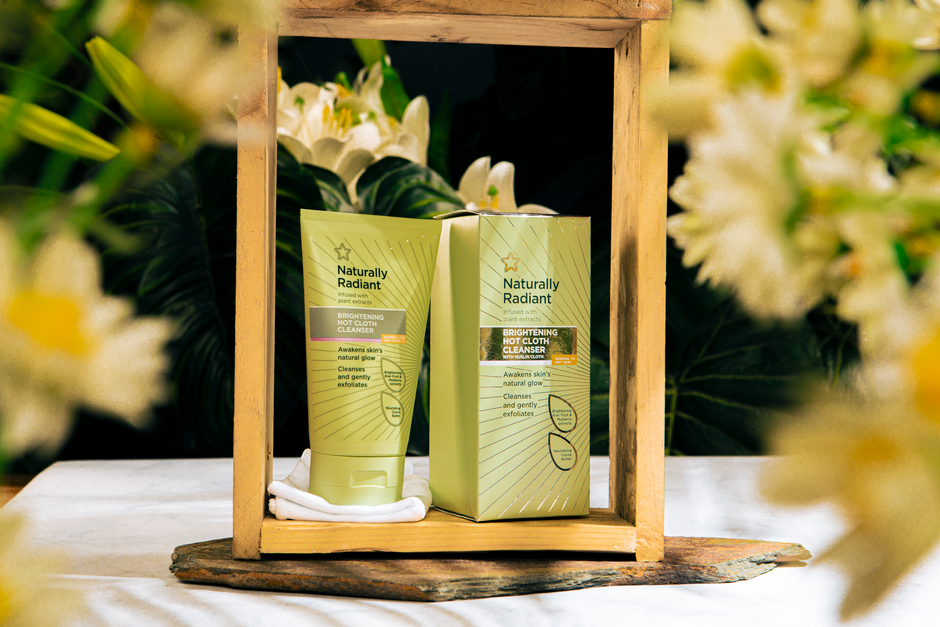
Choose the right concentration. Most over-the-counter formulations use alpha-arbutin between 1-2%, which is an effective and well-tolerated range for most skin types. Higher concentrations don't necessarily mean faster results and can increase irritation risk.
Apply after cleansing, before moisturizer. Arbutin serums typically go on clean, dry skin after cleansing and any water-based toners, then get sealed in with a moisturizer.
Use once or twice daily. Most arbutin products are gentle enough for both morning and evening use, though starting with once daily and building up is a reasonable way to gauge your skin's tolerance.
Sunscreen is non-negotiable. Arbutin only slows new pigment production — it doesn't prevent it. Skipping daily SPF while treating dark spots means new sun damage can outpace the fading you're working toward, undoing much of the benefit.
Be patient. Visible fading typically takes 8-12 weeks of consistent use. Arbutin works gradually, and expecting overnight results is the most common reason people give up before it has a chance to work.
Arbutin vs. other brightening ingredients
Arbutin vs. vitamin C. Vitamin C works primarily as an antioxidant that also has some tyrosinase-inhibiting effect, while arbutin is more targeted at pigment specifically. Many routines use both together for a broader brightening effect.
Arbutin vs. niacinamide. Niacinamide brightens by preventing pigment transfer to skin cells rather than blocking its production, so it works through a different mechanism. Combining the two targets pigmentation from two separate angles.
Arbutin vs. hydroquinone. Hydroquinone works faster and more aggressively but carries a higher risk of irritation and, with long-term unsupervised use, a rare condition called ochronosis. Arbutin is the slower, gentler alternative for people who want to avoid those risks.
Arbutin vs. tranexamic acid. Tranexamic acid targets pigmentation through a different pathway related to inflammation and is often considered particularly effective for hormonal or inflammation-related dark spots, while arbutin is a more general-purpose brightener.
Who should use arbutin
Arbutin is a solid option for anyone dealing with sun spots, post-acne marks, or general uneven tone who wants a gentler alternative to stronger brightening actives. It's particularly well-suited to sensitive skin types that react poorly to hydroquinone or higher-strength retinoids. As always, patch test any new active before adding it to your full routine, and introduce it gradually alongside your other products.
The takeaway
Arbutin offers a middle ground that's been missing from a lot of brightening routines — meaningfully more effective than doing nothing, gentler than hydroquinone, and available without a prescription. The trade-off is patience: results build gradually over months, not days, and they depend heavily on pairing arbutin with consistent daily sunscreen. Used that way, it's one of the more realistic long-term options for fading dark spots without the irritation risk that comes with stronger actives.
Frequently asked questions
How long does arbutin take to work?
Most people start noticing visible fading after 8-12 weeks of consistent daily use. Results build gradually, so sticking with it through the first couple months matters more than the exact product you choose.
Can I use arbutin with retinol?
Yes, though it's worth introducing them on alternating nights at first to see how your skin tolerates the combination, since layering multiple actives can increase irritation risk for sensitive skin.
Is arbutin safe for sensitive skin?
Generally yes — it's one of the gentler brightening ingredients available, but everyone's skin reacts differently. Patch test any new product and introduce it gradually.
Do I still need sunscreen if I use arbutin?
Yes, absolutely. Arbutin slows new pigment production, but sun exposure without protection will continue creating new dark spots and can undo the fading progress you've made.
Read next
Further reading & trusted sources
A small change with a big payoff
Alpha-arbutin and beta-arbutin are frequently listed as if interchangeable on ingredient lists, but alpha-arbutin converts to its active form far more efficiently — checking which one a product actually uses explains why two ‘arbutin serums’ at the same percentage can perform noticeably differently. The fading is genuinely gradual enough that people often stop right around week 6-8, just before the visible change would have shown up at the 8-12 week mark.
Ava reads the ingredient list long before the marketing claims — what interests her is which actives are genuinely proven and which are just a pretty bottle and a big promise. She leads GlowNourish’s skincare, makeup and hair coverage with one simple test: would this advice still hold up if a dermatologist read it? Every guide is researched with the help of AI tools and then human-edited for accuracy — no invented ‘clinical results’ and no fake reviews. For a real skin concern, she’ll always point you to a professional.