 By Ava Sinclair, Beauty Editor
Reviewed & updated August 2026
Hyaluronic acid has had its moment for years, but a quieter ingredient has been creeping into more serums and moisturizers: polyglutamic acid. It's not trying to replace hyaluronic acid — it's trying to work alongside it, and for a lot of skin types, that combination is worth understanding.
This is general skincare information, not medical advice. See a dermatologist for concerns specific to your skin.
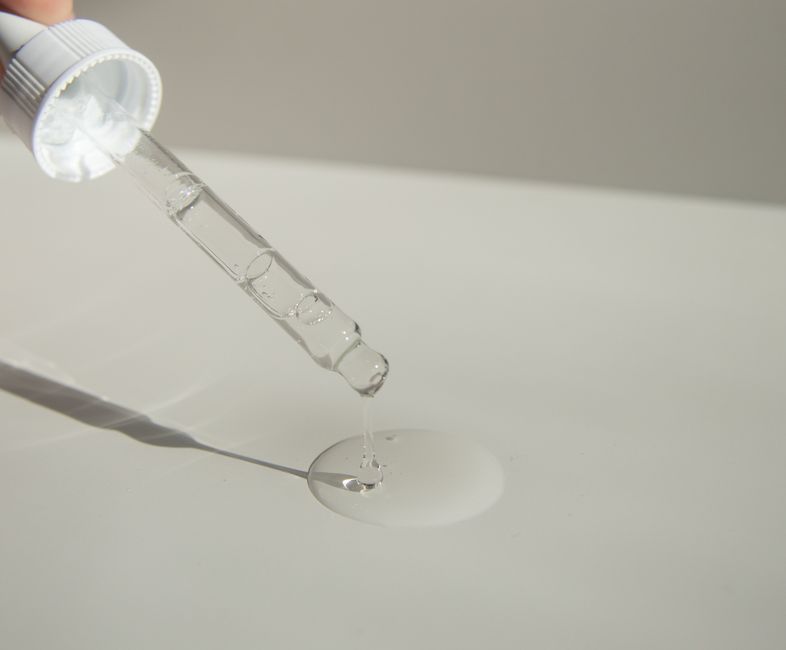 What this guide coversCurated by Ava · 6 min read
What is polyglutamic acid?
Polyglutamic acid (often shortened to PGA) is a naturally derived polymer, traditionally sourced from fermented soybeans — it's actually the sticky substance responsible for the stringy texture of natto, the fermented soybean dish popular in Japan. In skincare, it's used as a humectant, meaning it draws moisture into the skin and helps hold it there.
Structurally, it's a much larger molecule than hyaluronic acid, and that size difference is exactly what makes it interesting. Instead of penetrating deep into the skin, PGA sits on the surface and forms a thin, breathable film that slows water loss.
How it's different from hyaluronic acid
Both ingredients are humectants, but they behave differently on skin, and that's the key thing to understand before shopping for one over the other.
Hyaluronic acid holds up to 1,000 times its weight in water and works at multiple depths in the skin depending on molecular weight. Polyglutamic acid, by contrast, is reported in ingredient research to hold even more water per molecule, but it works almost entirely on the skin's surface, forming a moisture-trapping film rather than binding water within deeper layers.
In practice, that makes PGA especially good at reducing water loss — the technical term is transepidermal water loss, or TEWL — rather than pulling in new hydration from the environment. It's less about "drawing in" moisture and more about "locking it down."
Who benefits most from polyglutamic acid
Dehydrated skin. If your skin feels tight, flaky, or dull despite not being oily, PGA's water-locking film can make a noticeable difference within days.
Skin using actives like retinoids or exfoliating acids. Because these ingredients can compromise the skin barrier temporarily, a humectant that reduces water loss on the surface helps offset some of that dryness without adding heavy occlusive ingredients.
People layering multiple humectants. PGA pairs well with hyaluronic acid and glycerin precisely because it works at a different level — surface film versus deeper water-binding. Using them together is a common and effective combination rather than redundant.
Sensitive or reactive skin. PGA is generally well tolerated with a low irritation profile, making it a reasonable addition even for people who react to stronger actives.
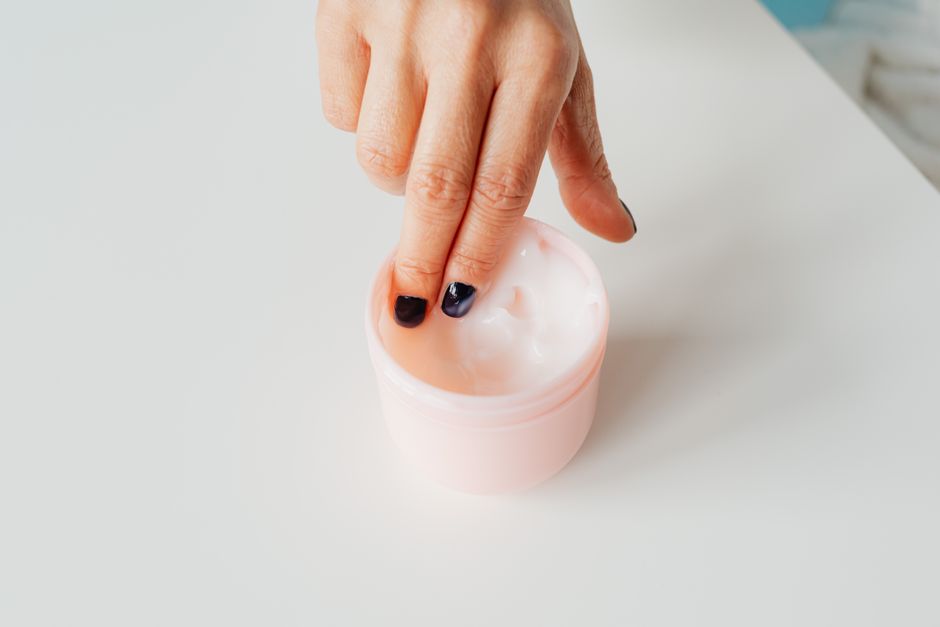
How to use it in a routine
Apply polyglutamic acid serum to damp skin, right after cleansing or toning, while there's still some water on the surface for it to trap. This step matters more with PGA than with many other actives — applying it to bone-dry skin gives it less to lock in.
- Cleanse as usual.
- Apply toner or a hydrating mist if you use one, and don't fully dry your face.
- Apply the polyglutamic acid serum while skin is still slightly damp.
- Layer any treatment serums (vitamin C, niacinamide, etc.) next.
- Seal everything with a moisturizer to prevent the water from evaporating.
- Finish with sunscreen in the morning.
It's typically used once or twice daily and works in both AM and PM routines. There's no need to introduce it gradually the way you would a retinoid or acid exfoliant — PGA doesn't have the same irritation potential.
Common mistakes
Applying it to completely dry skin. Since PGA works by trapping existing surface moisture, using it on parched skin with nothing to hold onto reduces its effectiveness. Mist or apply it right after cleansing.
Skipping moisturizer afterward. PGA holds water at the surface, but without an occlusive or emollient moisturizer layered on top, that water can still evaporate, especially in dry climates or air-conditioned rooms.
Expecting it to replace your entire hydration routine. PGA is one tool, not a full routine. It works best paired with a barrier-supporting moisturizer, not as a stand-alone step.
Using it under a very heavy, occlusive-only routine and assuming redundancy. It genuinely does something different from ingredients like squalane or petrolatum, which sit on top of skin. PGA integrates with the surface water film itself.
Ingredients that pair well with polyglutamic acid
- Hyaluronic acid — different mechanism, same goal, commonly formulated together
- Ceramides — support the skin barrier while PGA manages surface hydration
- Niacinamide — helps regulate oil and barrier function alongside PGA's moisture retention
- Glycerin — another humectant that works at yet another level, often found in the same formula
Avoid piling on too many actives (retinoids, strong acids) in the same routine as a heavy hydration stack without giving skin time to adjust — hydration ingredients are gentle, but overloading any routine with too many steps at once can still overwhelm sensitive skin.
The takeaway
Polyglutamic acid isn't a replacement for hyaluronic acid — it's a complementary humectant that works at the skin's surface to slow water loss rather than pull moisture in from deeper layers. For dehydrated, flaky, or actives-stressed skin, adding a PGA serum applied to damp skin and sealed with moisturizer is a low-risk, well-tolerated way to noticeably improve how hydrated your skin looks and feels day to day.
Frequently asked questions
Can I use polyglutamic acid and hyaluronic acid together?
Yes, they're commonly formulated together and work through different mechanisms — HA binds and holds water at various depths, while PGA forms a surface film that reduces water evaporation. Using both is not redundant.
Is polyglutamic acid good for oily skin?
Yes. It's a lightweight humectant, not an oil, so it can actually help balance oily skin by improving hydration without adding greasiness — dehydrated oily skin often overproduces oil to compensate for lack of water.
How long does it take to see results from polyglutamic acid?
Many people notice a plumper, more hydrated look within a few days of consistent use, though the full barrier benefit builds over a few weeks of regular application.
Does polyglutamic acid have any side effects?
It's generally considered low-irritation and well tolerated across skin types, including sensitive skin. As with any new product, patch test first if you have a history of reactive skin.
Read next
Further reading & trusted sources
What actually makes the difference
Applying it to bone-dry skin instead of damp skin is the single biggest reason people say it ‘didn’t do anything’ — the ingredient traps existing surface water rather than pulling in new hydration. Misting first or applying right after cleansing makes the difference noticeable within days.
Ava reads the ingredient list long before the marketing claims — what interests her is which actives are genuinely proven and which are just a pretty bottle and a big promise. She leads GlowNourish’s skincare, makeup and hair coverage with one simple test: would this advice still hold up if a dermatologist read it? Every guide is researched with the help of AI tools and then human-edited for accuracy — no invented ‘clinical results’ and no fake reviews. For a real skin concern, she’ll always point you to a professional.