 By Ava Sinclair, Beauty Editor
Reviewed & updated September 2026
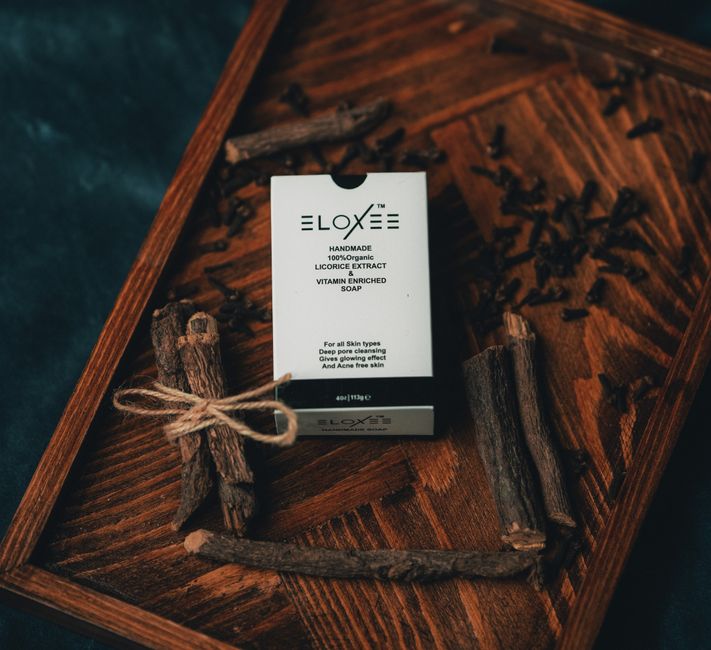
Licorice root extract has been used in traditional skincare for centuries, but it's had a quiet resurgence lately as brightening-focused routines look for gentler alternatives to harsher lightening agents. It's derived from the root of the licorice plant and contains a compound called glabridin, which is where most of its skin benefits come from.
This article shares general skincare information, not medical advice — check with a dermatologist before adding a new active ingredient to your routine, especially if you have a diagnosed skin condition.
 Skip ahead toCurated by Ava · 6 min read
What is licorice root extract?
Licorice root extract comes from the root of the Glycyrrhiza glabra plant, most commonly grown in parts of Europe and Asia. In skincare, it's typically processed into a purified extract or isolated as glabridin, its most active compound, and formulated into serums, creams, and spot treatments.
Unlike some trendy ingredients that show up with little research behind them, licorice root has a reasonably solid body of evidence, mostly focused on its ability to inhibit tyrosinase — the enzyme responsible for melanin production. That mechanism is similar to how ingredients like kojic acid and arbutin work, which is why licorice root is often grouped with brightening actives rather than exfoliants or hydrators.
What licorice root extract actually does for skin
- Fades dark spots and hyperpigmentation. By inhibiting tyrosinase, licorice root can help slow new pigment production and gradually fade existing dark spots, including post-acne marks and sun-related discoloration — though results take consistent use over weeks to months, not days.
- Calms redness and irritation. Licorice root has documented anti-inflammatory properties, which is why it often shows up in products aimed at sensitive or reactive skin, sometimes paired with centella asiatica or panthenol for a calming effect.
- Antioxidant support. Like many plant extracts, licorice root offers some antioxidant activity, helping to blunt the effects of environmental stressors like pollution and UV exposure over time.
- Generally well-tolerated. Compared to stronger brightening agents like hydroquinone, licorice root is considered a gentler option, making it a reasonable starting point for people who've had irritation from other lightening actives.
How to use licorice root extract
Licorice root extract is commonly found in serums, though it also appears in some moisturizers, spot treatments, and even certain sunscreens as a supporting ingredient. It typically slots into a routine as follows:
- Cleanse your face as usual.
- Apply a toner if you use one.
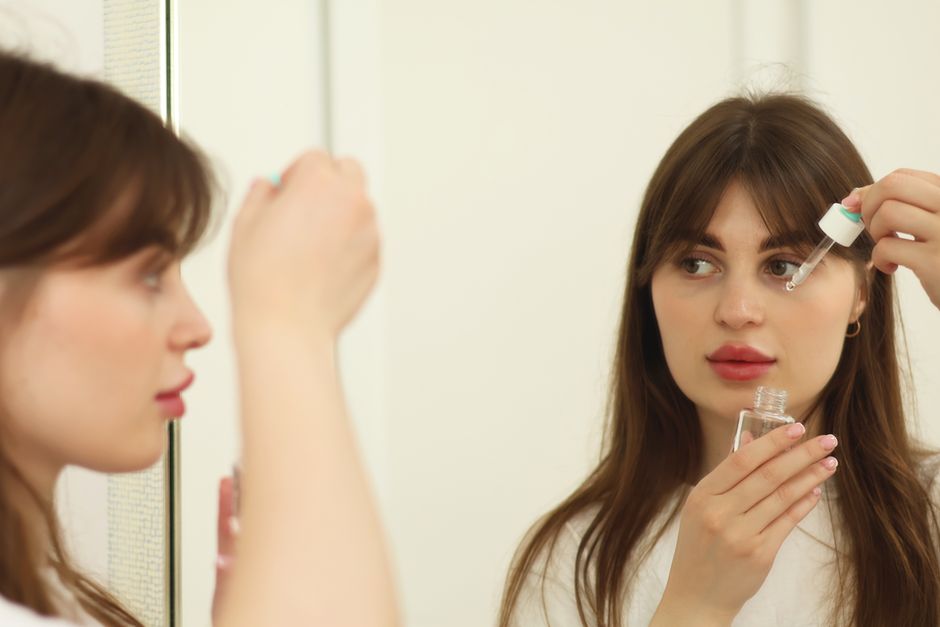
- Apply the licorice root product — usually a serum — while skin is still slightly damp, patting it in rather than rubbing.
- Layer other actives as tolerated; licorice root generally plays well with vitamin C, niacinamide, and hydrating ingredients like hyaluronic acid.
- Follow with moisturizer, and always finish your morning routine with sunscreen, since consistent SPF use is what actually protects the fading you're working toward.
Most people can use licorice root extract once or twice daily, and it's gentle enough for both morning and evening routines. As with any brightening ingredient, sunscreen is non-negotiable — new pigment forms fastest with sun exposure, which can undo weeks of progress.
What to look for on the label
Ingredient lists don't always specify concentration, but licorice root extract commonly appears as "Glycyrrhiza Glabra (Licorice) Root Extract" or, in more concentrated formulations, as "Glabridin." Products positioned specifically for pigmentation or brightening tend to list it higher up in the ingredient list, which is a rough (though imperfect) indicator of concentration.
Can you combine licorice root with other actives?
Licorice root extract is one of the more flexible brightening ingredients when it comes to layering:
- With vitamin C: A common and complementary pairing — both target pigmentation through different mechanisms, and licorice root's calming properties can offset some mild irritation from stronger vitamin C formulations.
- With niacinamide: Also a solid combination, since niacinamide supports the skin barrier while licorice root works on tyrosinase inhibition.
- With retinoids: Generally fine to combine, though if your skin is already sensitized from retinoid use, you may want to introduce licorice root on non-retinoid nights first.
- With exfoliating acids: Can be used together, but as always with actives, introduce one new product at a time so you can identify what's causing any irritation if it occurs.
Common mistakes people make
- Expecting fast results. Pigmentation fades gradually with consistent use — most people need 8-12 weeks before noticing a meaningful difference, similar to other tyrosinase-inhibiting ingredients.
- Skipping sunscreen. This is the single biggest mistake with any brightening ingredient. Without daily SPF, new pigmentation can form as fast as old pigmentation fades.
- Assuming "natural" means it can't irritate. Licorice root is generally gentle, but any active ingredient can cause irritation in sensitive individuals — patch test before applying it to your full face.
The takeaway
Licorice root extract is a genuinely useful, well-tolerated option for people dealing with dark spots, post-acne marks, or general dullness who want a gentler alternative to stronger brightening agents. It won't work overnight, and it's not a replacement for sunscreen, but as a consistent part of a routine, it's one of the more evidence-backed plant-derived actives in skincare.
Frequently asked questions
Is licorice root extract safe for sensitive skin?
Generally, yes — it's considered one of the gentler brightening ingredients and is often included in products formulated for sensitive or reactive skin. Still, patch test any new product before full use.
How long does it take to see results from licorice root extract?
Most people need 8-12 weeks of consistent use to notice a visible difference in pigmentation, since it works gradually by slowing new pigment production rather than removing existing pigment quickly.
Can I use licorice root extract every day?
Yes, most formulations are designed for daily use, both morning and evening. Check the specific product's instructions, since concentration and formulation can vary.
Does licorice root extract replace the need for sunscreen?
No. Sunscreen is essential alongside any brightening ingredient — without it, sun exposure will keep triggering new pigmentation, undoing the progress licorice root helps create.
Read next
Further reading & trusted sources
What actually makes the difference
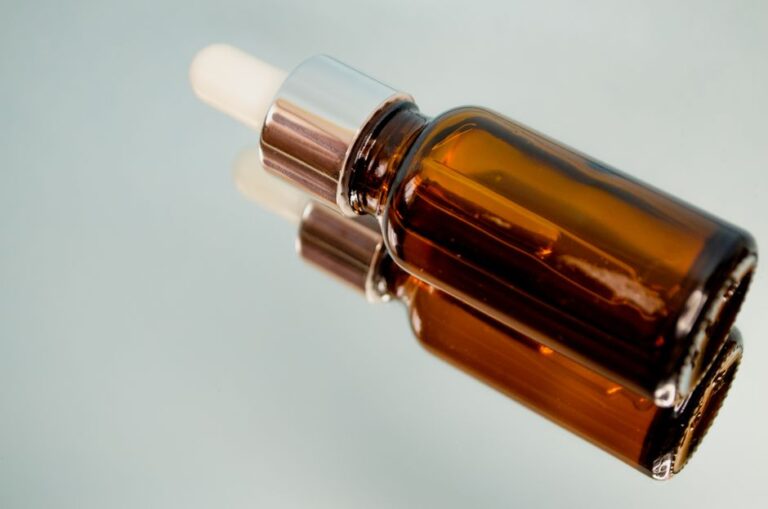
Glabridin, the compound actually responsible for licorice root’s tyrosinase-inhibiting effect, degrades quickly when exposed to light and air, so a product sold in a clear jar has usually lost meaningful potency long before the expiration date printed on the box. People also tend to judge it against hydroquinone’s speed and give up within a couple of weeks, when the honest comparison point is closer to niacinamide’s gradual timeline — most of the visible fading shows up between week 8 and week 12, not week 2.
Ava reads the ingredient list long before the marketing claims — what interests her is which actives are genuinely proven and which are just a pretty bottle and a big promise. She leads GlowNourish’s skincare, makeup and hair coverage with one simple test: would this advice still hold up if a dermatologist read it? Every guide is researched with the help of AI tools and then human-edited for accuracy — no invented ‘clinical results’ and no fake reviews. For a real skin concern, she’ll always point you to a professional.