 By Ava Sinclair, Beauty Editor
Reviewed & updated August 2026
Collagen supplements have gone from niche wellness aisle product to one of the most talked-about additions to a skincare routine — but the marketing around them moves a lot faster than the research does. Here's what collagen actually is, what the science says it can and can't do for your skin, and how to think about whether it's worth adding to your routine.
This is general skincare information, not medical advice. Talk to a doctor before starting any new supplement, especially if you're pregnant, nursing, or managing a health condition.
 Jump to a sectionCurated by Ava · 6 min read
What collagen actually is
Collagen is the most abundant protein in your body — it's the structural scaffolding in your skin, joints, tendons, and bones. Your skin's collagen keeps it firm and elastic, but production naturally slows with age, starting in your mid-20s and dropping more noticeably after menopause for women. That decline is part of why skin gradually loses some firmness and develops fine lines over time.
Does taking collagen actually reach your skin?
This is the part most marketing skips. When you eat or drink collagen, your digestive system breaks it down into amino acids and smaller peptides before it's absorbed — it doesn't travel to your face and rebuild your skin directly, the way applying a cream sits on the surface. Instead, some research suggests those broken-down peptides may signal your skin cells to produce more of their own collagen and elastin.
Several small clinical trials on hydrolyzed collagen peptides (collagen broken into an easily absorbed form) have shown modest improvements in skin elasticity and hydration after 8-12 weeks of daily use. The effect sizes in these studies are real but modest — think "slightly plumper, slightly more hydrated skin," not a dramatic transformation.
What the evidence supports — and what it doesn't
Reasonably supported:
- Modest improvements in skin hydration and elasticity with consistent daily use over 2-3 months
- Some support for joint comfort, which is actually collagen's better-studied use case
Not well supported:
- Dramatic wrinkle reduction or "reversing" visible aging
- Fast results — nothing in the research suggests collagen works in days or even a couple weeks
- One brand or format being clearly superior without independent testing to back that claim

Types of collagen supplements
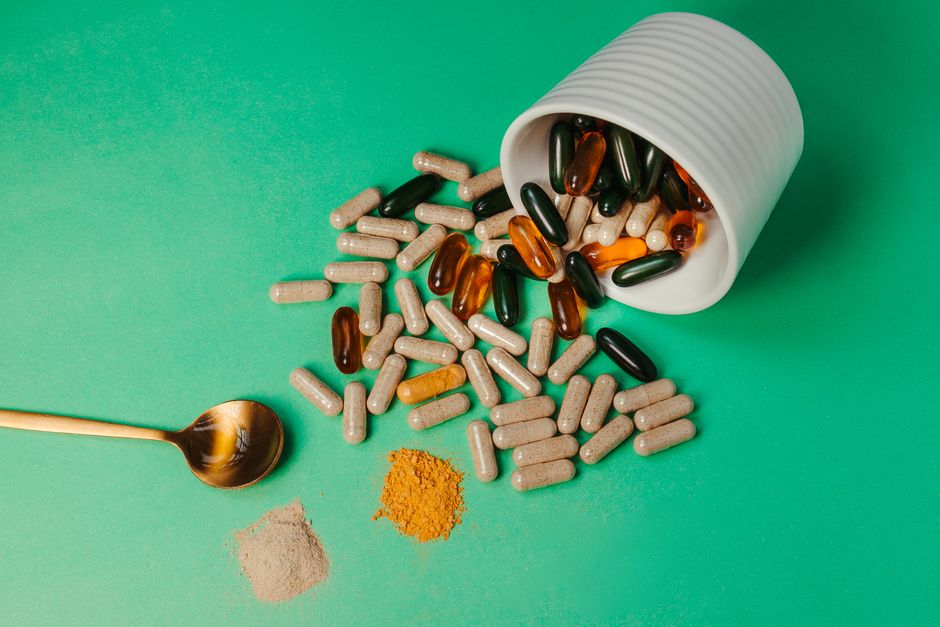
- Hydrolyzed collagen peptides (powder): The most studied form. Flavorless, dissolves in coffee, smoothies, or water. Usually bovine or marine-sourced.
- Collagen capsules/pills: Same idea, more convenient but often a smaller dose per serving than a scoop of powder.
- Bone broth: Contains collagen naturally but in much smaller, less consistent amounts than a purified supplement.
- Marine vs. bovine collagen: Marine (fish-derived) collagen has smaller peptides that may absorb slightly more efficiently; bovine is more common and typically cheaper. Neither has been shown to be dramatically better for skin specifically.
How to actually use one, if you decide to try it
- Look for hydrolyzed collagen peptides specifically — this is the form with the most research behind it.
- Give it at least 8-12 weeks before judging results; this isn't a fast supplement.
- Pair it with vitamin C, which your body needs to actually synthesize collagen — many quality supplements include it.
- Don't expect it to replace your topical routine. Retinoids and daily sunscreen have far stronger evidence for supporting skin's collagen over time than any oral supplement.
What matters more than a supplement
If your goal is genuinely supporting your skin's collagen, the highest-evidence habits are less exciting than a powder: daily sunscreen (UV exposure is the single biggest driver of collagen breakdown), a retinoid at night, adequate protein and vitamin C in your diet, and not smoking. A collagen supplement can be a reasonable addition on top of those habits, but it isn't a substitute for them.
[TAKE] The detail most people miss: collagen you eat or drink is digested into amino acids like any other protein — it doesn't get delivered intact to your face. The skin benefit, where it exists, comes from those amino acids potentially signaling your own skin cells to produce more collagen, which is why results take months, not days.
The takeaway
Collagen supplements aren't a scam, but they're also not the dramatic fix the marketing implies. The honest picture: modest, measurable improvements in skin hydration and elasticity after consistent use over several months, built on top of — not instead of — sunscreen, a retinoid, and good nutrition. If you try one, pick a hydrolyzed peptide formula, give it real time, and keep your expectations calibrated to what the research actually shows.
Frequently asked questions
How long does it take to see results from collagen supplements?
Most studies that show benefits used 8-12 weeks of consistent daily use. Expect subtle changes in hydration and elasticity, not a fast or dramatic transformation.
Is marine collagen better than bovine collagen for skin?
Marine collagen has smaller peptides that may absorb slightly more easily, but there isn't strong evidence it produces meaningfully better skin results than bovine collagen. Either can work if it's hydrolyzed.
Can I get the same benefit from my diet instead of a supplement?
Eating protein-rich foods and enough vitamin C supports your body's own collagen production, but whole foods don't contain the same concentrated, pre-broken-down peptides used in the studies showing skin benefits. Diet and supplements aren't mutually exclusive.
Are collagen supplements safe to take daily?
For most healthy adults, hydrolyzed collagen is considered well-tolerated. As with any supplement, check with a doctor first if you're pregnant, nursing, or managing a medical condition.
Read next
Further reading & trusted sources
The step most people skip
The detail most collagen marketing glosses over is that oral collagen gets digested into amino acids like any other protein before absorption — it doesn’t travel intact to the face. The skin studies showing real benefit all used at least 8-12 weeks of consistent daily use, which is why results never show up as fast as the packaging implies.
Ava reads the ingredient list long before the marketing claims — what interests her is which actives are genuinely proven and which are just a pretty bottle and a big promise. She leads GlowNourish’s skincare, makeup and hair coverage with one simple test: would this advice still hold up if a dermatologist read it? Every guide is researched with the help of AI tools and then human-edited for accuracy — no invented ‘clinical results’ and no fake reviews. For a real skin concern, she’ll always point you to a professional.