 By Ava Sinclair, Beauty Editor
Reviewed & updated August 2026
Snail mucin (also called snail secretion filtrate) has gone from a niche K-beauty ingredient to one of the most searched skincare terms of the last few years, and it keeps showing up in serums, essences, and sheet masks at every price point. Here's what it actually does, what the research says, and how to add it to a routine without wasting money or irritating your skin.
This article shares general skincare information, not medical advice. If you have a diagnosed skin condition, check with a dermatologist before adding new ingredients.
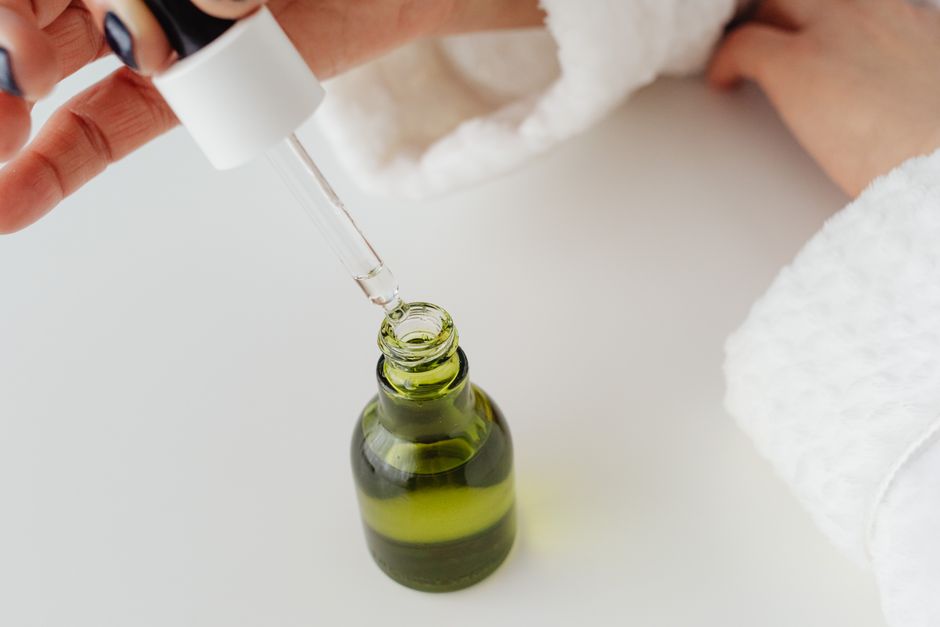 What this guide coversCurated by Ava · 6 min read
What is snail mucin?
Snail mucin is the secretion snails produce to protect and repair their own skin as they move — it's collected without harming the snails on modern farms, which typically let them crawl across mesh netting. The filtrate is rich in glycoproteins, hyaluronic acid, glycolic acid, and antimicrobial peptides, which is why it landed in skincare in the first place: cosmetic chemists noticed it shared a lot of the same hydrating and soothing properties popular actives already work to replicate.
It became a Korean beauty staple in the early 2010s and crossed into mainstream Western skincare over the past several years, largely through viral before-and-after videos and budget-friendly essences.
What does snail mucin actually do?
- Hydration — the glycoproteins and hyaluronic acid content help draw and hold moisture in the skin, similar in effect (though gentler) to a hyaluronic acid serum
- Barrier support — helps soothe redness and support the skin barrier, making it popular for sensitized or post-procedure skin
- Mild exfoliation — the small amount of naturally occurring glycolic acid provides gentle surface exfoliation
- Texture and glow — regular use is frequently reported to smooth texture and add a dewy, plumped look, though "glow" is a cosmetic effect from hydration rather than a structural skin change
What the research says
Snail mucin has a smaller research base than heavily studied actives like niacinamide or retinol, but the studies that exist are encouraging: small trials have found it can improve hydration, reduce visible fine lines, and calm inflammation from things like acne scarring and mild sun damage. It's generally well tolerated, which is part of why it's recommended for sensitive or reactive skin types — but "well tolerated" isn't "risk-free," and a small number of people do react to it (see below).
How to use snail mucin in your routine
- Cleanse first, as always, so actives can actually absorb.
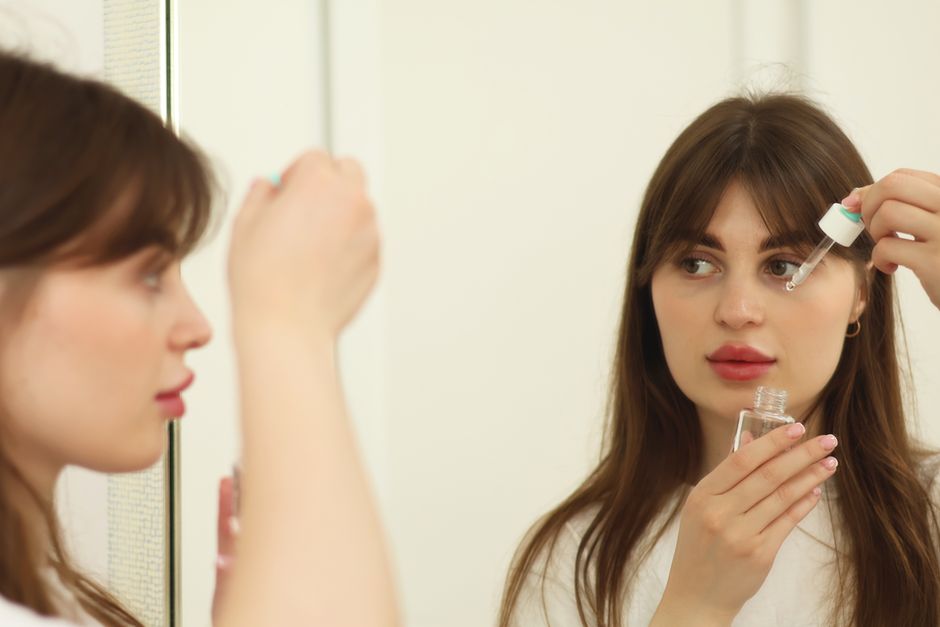
- Apply after a water-based toner, before heavier creams — most snail mucin products are essences or serums, which sit in the lightest-to-heaviest layering order.
- Pat, don't rub, into skin. Many snail mucin essences have a slightly tacky texture; patting helps it absorb rather than pilling.
- Follow with moisturizer to seal in the hydration, especially in dry climates or over air conditioning/heating.
- Use morning and/or night — it's gentle enough for twice-daily use for most people.
Can you mix snail mucin with other actives?
Yes — this is one of its biggest advantages. Snail mucin layers well with:
- Niacinamide — both are calming and hydrating, a popular pairing for barrier support
- Hyaluronic acid — complementary hydration from two different molecule types
- Vitamin C — many snail mucin essences are used specifically to buffer vitamin C's potential irritation
- Retinol — often recommended as a buffer layer before retinol to reduce dryness and flaking
It's generally considered one of the more "layer-friendly" ingredients precisely because it's mild and non-reactive with most other actives.
Common mistakes
- Expecting dramatic overnight results. Snail mucin is a supportive, hydrating ingredient — it's not a substitute for retinoids, sunscreen, or actives with a stronger evidence base for anti-aging or acne.
- Skipping sunscreen. No ingredient replaces daily SPF, and layering actives without sun protection undermines the whole routine.
- Buying based on hype alone. Concentration and formulation quality vary hugely between brands — a cheap, poorly formulated product won't perform like a well-reviewed one even with "snail mucin" on the label.
- Ignoring a reaction. A small number of people are sensitive or allergic to snail-derived ingredients. Patch test on your inner arm for 24-48 hours before applying a new product to your face.
Who should be cautious
Snail mucin is derived from an animal product, so it's not vegan, and anyone with a known mollusk allergy should avoid it entirely. If you have very reactive or eczema-prone skin, patch testing is especially important since any new ingredient — even a "gentle" one — carries some risk of triggering a flare.
The takeaway
Snail mucin earns its popularity honestly: it's a genuinely gentle, hydrating, barrier-supportive ingredient with real (if still growing) research behind it, and it plays well with almost everything else in a routine. It's not a miracle ingredient and won't replace retinoids or sunscreen, but as a hydrating essence or serum layered into an existing routine, it's a reasonable, low-risk addition — just patch test first and don't expect it to do more than it's built to do.
Frequently asked questions
Is snail mucin good for acne-prone skin?
Many people with acne-prone skin tolerate it well because of its calming, non-comedogenic reputation, though results vary by individual and formulation. It's not a treatment for active acne — pair it with proven acne actives like salicylic acid or benzoyl peroxide rather than relying on it alone.
Does snail mucin have any side effects?
It's considered low-risk and well tolerated by most people, but a small percentage can react with redness, itching, or breakouts, especially those with mollusk allergies. Always patch test a new product before applying it to your full face.
How long does it take to see results from snail mucin?
Most people who notice a difference report improved hydration and texture within 2-4 weeks of consistent use. Since it's a supportive, gentle ingredient rather than a fast-acting treatment, patience and consistency matter more than any single application.
Is expensive snail mucin better than budget options?
Not necessarily — price often reflects packaging and brand more than raw efficacy. Look at the ingredient list placement (how early snail mucin/secretion filtrate appears) and check reviews for texture and absorption rather than assuming price equals performance.
Read next
What actually makes the difference
Snail mucin essences often feel slightly tacky right after application in a way other essences don’t, and patting rather than rubbing it in is what actually resolves that instead of just waiting longer for it to absorb. Its reputation as a safe buffer layer under stronger actives like retinol or vitamin C holds up in practice more consistently than most ‘soothing’ ingredients marketed the same way, which is part of why dermatologists tend to be less skeptical of it than other viral K-beauty actives.
Further reading & trusted sources
Ava reads the ingredient list long before the marketing claims — what interests her is which actives are genuinely proven and which are just a pretty bottle and a big promise. She leads GlowNourish’s skincare, makeup and hair coverage with one simple test: would this advice still hold up if a dermatologist read it? Every guide is researched with the help of AI tools and then human-edited for accuracy — no invented ‘clinical results’ and no fake reviews. For a real skin concern, she’ll always point you to a professional.