 By Ava Sinclair, Beauty Editor
Reviewed & updated September 2026
Skincare marketing loves to imply you need a $60 jar to get real results, but the drugstore aisle has quietly become one of the best places to buy a genuinely effective moisturizer. Many budget formulas now use the same core ingredients — ceramides, hyaluronic acid, niacinamide — as their prestige counterparts, just without the fragrance-brand markup. Here's how to pick a good one for your skin type without overspending.
This is general skincare information, not medical advice. See a dermatologist for persistent or severe skin concerns.
 What this guide coversCurated by Ava · 6 min read
- Why price doesn’t equal performance for moisturizers
- What to look for based on your skin type
- Ingredients worth looking for on the label
- Ingredients to be cautious with
- How to actually apply it for better results
- Day vs. night moisturizer: do you need both?
- How long to give a new moisturizer before judging it
- The takeaway
- Further reading & trusted sources
Why price doesn't equal performance for moisturizers
A moisturizer's job is fairly simple: hold water in the skin and reinforce the barrier that keeps it there. That mostly comes down to three ingredient categories — humectants (like hyaluronic acid or glycerin) that pull in water, emollients (like fatty acids and squalane) that smooth the surface, and occlusives (like petrolatum or dimethicone) that seal moisture in. None of those require an expensive formula to work; a well-made $12 cream with the right ratio of these three categories will outperform a $60 cream that skimps on them.
What to look for based on your skin type
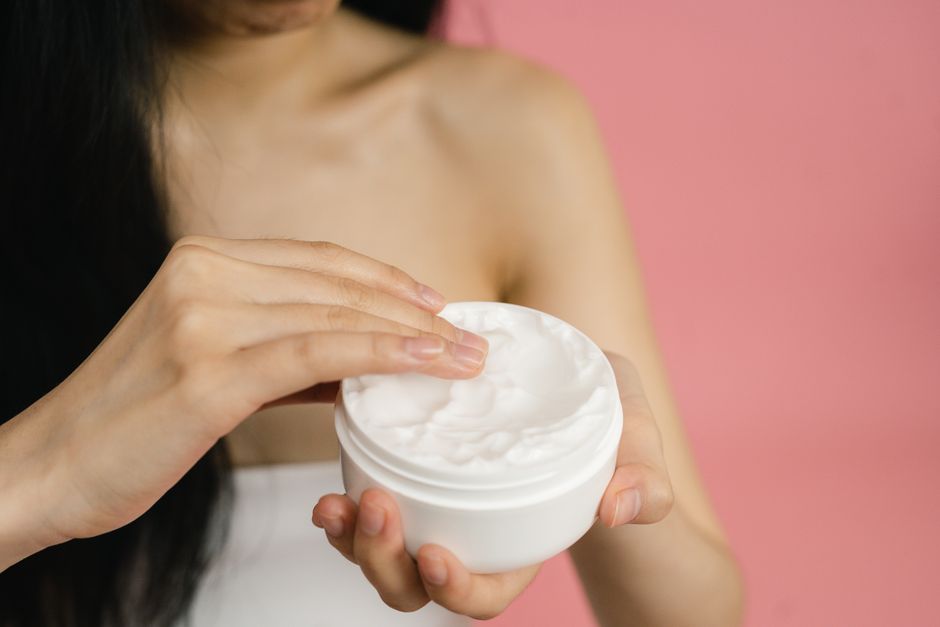
Dry skin: Look for a rich cream with ceramides plus an occlusive like petrolatum or shea butter near the top of the ingredient list. Thicker, jar-packed formulas tend to deliver more of these than thin lotions.
Oily or acne-prone skin: Choose a gel-cream or lotion labeled "oil-free" or "non-comedogenic," built around humectants like hyaluronic acid and glycerin rather than heavy oils. Skipping moisturizer entirely when you're oily often backfires — it can push skin to overproduce oil to compensate.
Combination skin: A lightweight lotion that layers well works best; some people use a richer cream only on drier patches (cheeks) and a lighter one on the T-zone.
Sensitive or reactive skin: Prioritize short ingredient lists, fragrance-free formulas, and ceramide-based creams designed for eczema-prone or reactive skin — these are consistently among the gentlest drugstore options.
Ingredients worth looking for on the label
- Ceramides — lipids that are naturally part of your skin barrier; topping them up helps repair a compromised barrier and reduce moisture loss.
- Hyaluronic acid — a humectant that can hold significant amounts of water, best applied to slightly damp skin so it has moisture to draw from.
- Niacinamide — helps support the barrier and can improve the look of pores and uneven tone over time.
- Glycerin — an inexpensive but genuinely effective humectant found in most well-formulated budget creams.
- Petrolatum or dimethicone — occlusives that seal in everything underneath; not glamorous ingredients, but among the most effective at preventing water loss.
Ingredients to be cautious with
- Heavy fragrance, especially near the top of the ingredient list, which is one of the most common causes of irritation in budget and prestige products alike.
- Alcohol denat. listed early in the ingredients, which can be drying for already-dry or sensitive skin types (it's less of a concern in small amounts further down the list).
- Essential oils added purely for scent rather than skin benefit — nice in theory, but a common irritant trigger.
How to actually apply it for better results
Apply moisturizer to slightly damp skin right after cleansing (or after a hydrating serum) rather than fully dry skin — this traps more water at the surface where humectant ingredients can hold onto it. Use a nickel-sized amount for your whole face, warming it slightly between your fingers before pressing it in rather than rubbing hard, which is gentler on the skin and helps it absorb more evenly.
Day vs. night moisturizer: do you need both?
Not necessarily. A single well-formulated moisturizer can work morning and night for most people — the real difference for daytime is layering SPF on top, which matters far more than having a separate "day cream." If your skin runs drier at night or you're using stronger actives like retinol, a slightly richer moisturizer in the evening can help offset any irritation.
How long to give a new moisturizer before judging it
Give a new moisturizer at least 2 to 3 weeks of consistent use before deciding whether it works for you. Skin barrier improvements in particular take time to show — a cream that feels "fine" in week one can noticeably reduce tightness and flaking by week three if the formula suits your skin.
The takeaway
A great moisturizer doesn't require a big budget — it requires matching the right combination of humectants, emollients, and occlusives to your specific skin type, and reading past the marketing to the actual ingredient list. Some of the most consistently well-reviewed formulas in dermatology circles are drugstore staples that cost a fraction of prestige alternatives.
Frequently asked questions
Are drugstore moisturizers as good as expensive ones?
For the core job of hydrating and supporting the skin barrier, yes — many budget formulas use the same key ingredients (ceramides, hyaluronic acid, glycerin) as prestige brands. Expensive moisturizers often add fragrance, packaging, and marketing rather than dramatically better performance.
How do I know if a moisturizer is too heavy for my skin?
Signs include persistent shine within an hour of application, clogged pores, or new breakouts in areas where you apply it. If that happens, switch to a lighter lotion or gel-cream formula.
Can I use a face moisturizer that's labeled for body use?
It's better to stick with formulas labeled for the face — body lotions are often made with heavier, less refined ingredients and fragrance levels that are more likely to clog facial pores or irritate sensitive facial skin.
Do I still need moisturizer if I have oily skin?
Yes. Skipping moisturizer when your skin is oily can actually increase oil production as skin tries to compensate for the moisture it's losing — a lightweight, oil-free formula keeps this balance in check.
Read next


Further reading & trusted sources
What actually makes the difference
Jar-packed creams reliably deliver a higher concentration of occlusive ingredients like petrolatum and shea butter than pump or tube formulas of the same product line, since thinner lotions need to stay pourable and can’t be loaded as heavily without changing texture. Applying moisturizer to skin that’s still slightly damp rather than fully dry roughly doubles how much water a humectant like hyaluronic acid actually has available to pull in and hold, which is a bigger performance factor than the price of the product itself.
Ava reads the ingredient list long before the marketing claims — what interests her is which actives are genuinely proven and which are just a pretty bottle and a big promise. She leads GlowNourish’s skincare, makeup and hair coverage with one simple test: would this advice still hold up if a dermatologist read it? Every guide is researched with the help of AI tools and then human-edited for accuracy — no invented ‘clinical results’ and no fake reviews. For a real skin concern, she’ll always point you to a professional.