 By Ava Sinclair, Beauty Editor
Reviewed & updated August 2026
Squalane has quietly become one of the most recommended ingredients in skincare, and it's rare to see one this simple get so much consistent praise. No stinging, no purging, no complicated rules — just a lightweight oil that mimics something your skin already makes. Here's what it actually does and how to fit it into a routine that already works.
This article is for general skincare information only and is not medical advice. See a dermatologist for guidance specific to your skin.
 What this guide coversCurated by Ava · 7 min read
What squalane actually is
Squalane (with an "a") is the stable, shelf-friendly version of squalene (with an "e"), a lipid your skin naturally produces as part of its own oil, or sebum. Squalene oxidizes quickly and goes rancid once exposed to air, so cosmetic chemists hydrogenate it into squalane, which is chemically stable, odorless, and doesn't degrade sitting in a bottle for months. Today it's almost always derived from plant sources like olives, sugarcane, or rice bran rather than the shark liver it was once sourced from decades ago, so most modern squalane products are vegan by default.
What it does for your skin
- Moisturizes without feeling heavy. Squalane closely resembles your skin's own natural oils, so it absorbs quickly and leaves a soft, non-greasy finish instead of sitting on top of the skin.
- Reinforces the skin barrier. As an emollient, it fills in the gaps between skin cells, which helps reduce water loss and supports a healthier, more resilient skin barrier over time.
- Rarely causes irritation. Because it's biomimetic — chemically similar to what your skin already produces — squalane has one of the lowest irritation rates of any common skincare oil, making it a reasonable option even for reactive or compromised skin.
- Non-comedogenic for most people. Unlike some heavier plant oils, squalane has a low likelihood of clogging pores, which is why it shows up in oil-free and acne-prone skincare lines despite technically being an oil.
- Adds a subtle glow. Its lightweight, slightly reflective finish gives skin a healthy sheen without the shine or tackiness that heavier oils can leave behind.

Squalane vs. other common face oils
| Oil | Feel on skin | Comedogenic risk | Best for |
|---|---|---|---|
| Squalane | Very light, fast-absorbing | Very low | Nearly all skin types, including oily/acne-prone |
| Jojoba oil | Light, similar to sebum | Low | Balancing oily skin |
| Argan oil | Medium, slightly rich | Low-moderate | Dry or dull skin |
| Coconut oil | Heavy, slow to absorb | High | Body use more than face |
| Rosehip oil | Light-medium | Low-moderate | Uneven tone, mild texture concerns |
Squalane consistently ranks among the lightest and least pore-clogging options on this list, which is a big part of why it's become a default recommendation across skin types rather than a niche pick for dry skin only.
How to add it to your routine
- Apply after your water-based products. Squalane works best as one of the last steps, applied after serums and moisturizer, since oils sit on top of water-based layers rather than absorbing through them.
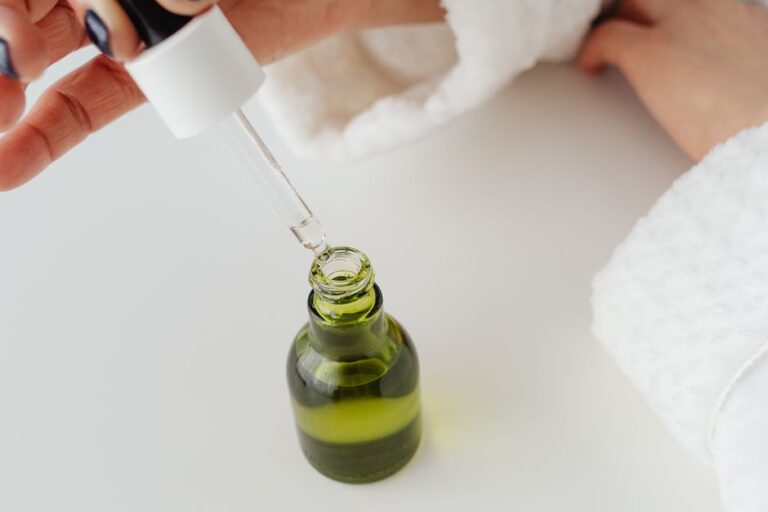
- Use a few drops. Two to three drops is enough for the whole face — pressing it in rather than rubbing helps it absorb evenly without pilling.
- Mix it into your moisturizer for extra dry days. Adding a drop directly into your regular moisturizer boosts hydration without adding a full extra step.
- Try it as a standalone night treatment. On especially dry or barrier-stressed nights, a slightly heavier layer of squalane alone can substitute for a rich night cream.
- It's not a sunscreen replacement. Squalane offers no meaningful SPF, so sunscreen is still a separate, necessary morning step regardless of how hydrating your oil is.
Choosing a squalane product
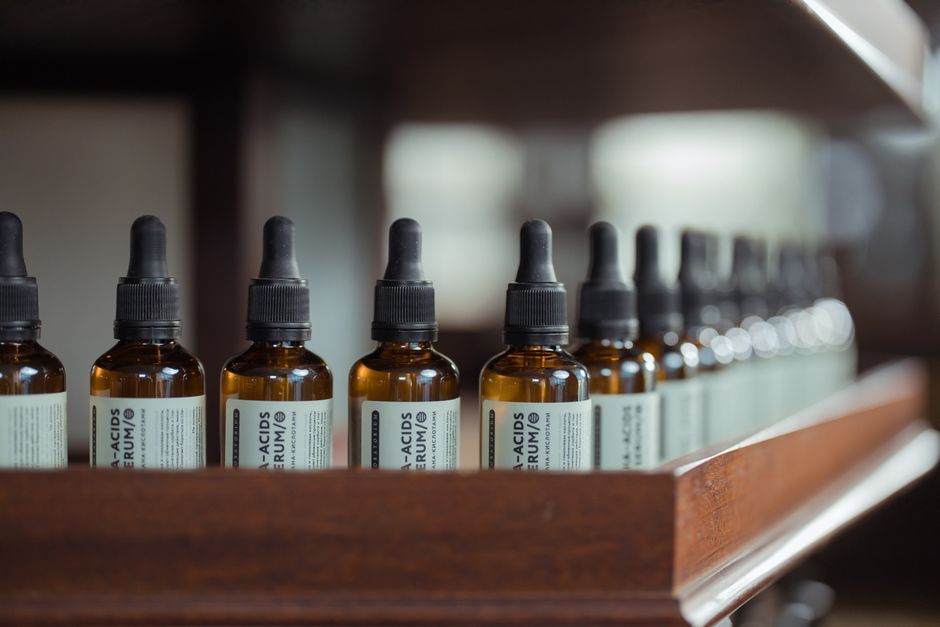
Most squalane products are sold as 100% squalane with no other active ingredients, which keeps things simple: look for plant-derived sourcing (olive, sugarcane, or rice bran are most common) and a clear, colorless, odorless oil, since any noticeable scent usually means added fragrance rather than pure squalane. Price varies more by brand than by actual quality difference, since the molecule itself is chemically identical regardless of source once refined.
Who should be cautious
- Very few people need to avoid squalane given its low irritation profile, but anyone with a known sensitivity to a specific plant source (olive-derived squalane, for example) should check the ingredient origin on the label.
- Extremely oily, acne-prone skin can usually tolerate squalane well, but if any oil tends to trigger breakouts for you personally, patch test on a small area first before applying it to your whole face.
- Layering with strong actives like retinol or acids is generally fine and even helpful, since squalane can buffer some of the dryness those ingredients cause — just apply it after, not before, active treatments.
Common mistakes to avoid
Using too much at once is the most common misstep — a few drops is genuinely enough, and piling on more just leaves skin feeling greasy without adding extra benefit. The other frequent mistake is applying it before water-based serums, which blocks those lighter products from absorbing properly. Keep it as one of the last steps in your routine, and use a light hand.
The takeaway
Squalane earns its reputation as close to a universal skincare ingredient: lightweight, stable, low-irritation, and genuinely effective at reinforcing hydration and the skin barrier. It won't replace targeted actives like retinol or vitamin C, but as a finishing oil or a boost on dry days, it's one of the easiest additions to almost any routine.
Frequently asked questions
Is squalane the same as squalene?
No. Squalene is the naturally occurring, unstable form that oxidizes quickly, while squalane is the hydrogenated, shelf-stable version used in skincare products. They're related but not interchangeable in a bottle.
Can I use squalane if I have oily or acne-prone skin?
Yes, generally. Squalane has a low comedogenic rating and a lightweight, fast-absorbing texture, which is why it's commonly recommended even for oily and acne-prone skin, though individual reactions can still vary.
Do I apply squalane before or after moisturizer?
After. Oils should go on top of water-based products like serums and moisturizer, since applying an oil first can create a barrier that blocks those products from absorbing.
Is squalane vegan and cruelty-free?
Most commercial squalane today is plant-derived from sources like olives, sugarcane, or rice bran, making it vegan. Shark-derived squalane still exists in some markets, so checking the label for plant-based sourcing is worth doing if that matters to you.
Read next
Further reading & trusted sources
The step most people skip
Squalane’s low irritation rate isn’t a formulation trick, it comes from the molecule closely resembling the squalene skin already produces in its own sebum, which is why it’s one of the few oils dermatologists recommend broadly rather than by skin type. The comedogenic myth around face oils in general doesn’t hold for squalane specifically — its low comedogenic rating is why it shows up in oil-free and acne-focused lines despite technically being an oil, a distinction that surprises people used to avoiding oils altogether.
Ava reads the ingredient list long before the marketing claims — what interests her is which actives are genuinely proven and which are just a pretty bottle and a big promise. She leads GlowNourish’s skincare, makeup and hair coverage with one simple test: would this advice still hold up if a dermatologist read it? Every guide is researched with the help of AI tools and then human-edited for accuracy — no invented ‘clinical results’ and no fake reviews. For a real skin concern, she’ll always point you to a professional.