 By Ava Sinclair, Beauty Editor
Reviewed & updated August 2026
If retinol has always sounded appealing but your skin reacts badly to it — or you're avoiding it for other reasons — bakuchiol has become the ingredient most commonly recommended as a gentler stand-in. Here's what it actually does, how it compares to retinol, and how to add it to a routine without wasting money on the wrong product.
This article shares general skincare information, not medical advice. See a dermatologist for concerns specific to your skin.
 In this guideCurated by Ava · 6 min read
What is bakuchiol?
Bakuchiol (pronounced buh-KOO-chee-ol) is a plant-derived compound extracted from the seeds and leaves of the Psoralea corylifolia plant, also known as babchi — long used in Ayurvedic and Chinese medicine. Cosmetic chemists became interested in it after studies found it produces some of the same skin effects as retinol (a vitamin A derivative) despite having a completely different chemical structure. It's not "natural retinol" in a literal sense — it doesn't convert into retinoic acid in the skin the way retinol does — but it appears to interact with some of the same skin-renewal pathways.
What bakuchiol actually does for skin
Research on bakuchiol, while still smaller in volume than decades of retinol studies, points to a few consistent effects:
- Supports collagen production, which helps with the appearance of fine lines over time.
- Evens skin tone and can soften the look of dark spots and post-acne marks with consistent use.
- Smooths texture by encouraging skin cell turnover, similar in effect (though generally milder) to retinol.
- Has antioxidant properties, helping defend against some environmental stressors.
The headline finding from the most commonly cited comparison study is that bakuchiol produced similar improvements in fine lines and pigmentation to retinol over 12 weeks, with meaningfully less reported redness and flaking. That doesn't mean it's "just as strong" for every use case — retinol still has a much longer track record for treating stubborn acne and more significant signs of aging — but for general anti-aging maintenance and sensitive skin, it's a legitimate alternative rather than just a marketing trend.
Bakuchiol vs. retinol: the real differences
| Bakuchiol | Retinol | |
|---|---|---|
| Source | Plant-derived compound | Vitamin A derivative |
| Sun sensitivity | Minimal increase | Can increase sun sensitivity |
| Pregnancy-safe | Generally considered safe (confirm with your doctor) | Not recommended |
| Irritation potential | Low | Moderate to high, especially early on |
| Strength for stubborn acne/deep lines | Milder | Stronger, more clinically proven |
| Can use morning or night | Yes, either | Typically night only |
The pregnancy-safety point is one reason bakuchiol has grown so quickly — retinoids are off-limits during pregnancy and breastfeeding, and bakuchiol has become the ingredient most commonly suggested by dermatologists as a routine-preserving swap during that time (always confirm with your OB or dermatologist first, since research is still developing).
How to add bakuchiol to your routine
- Cleanse with a gentle, non-stripping cleanser.
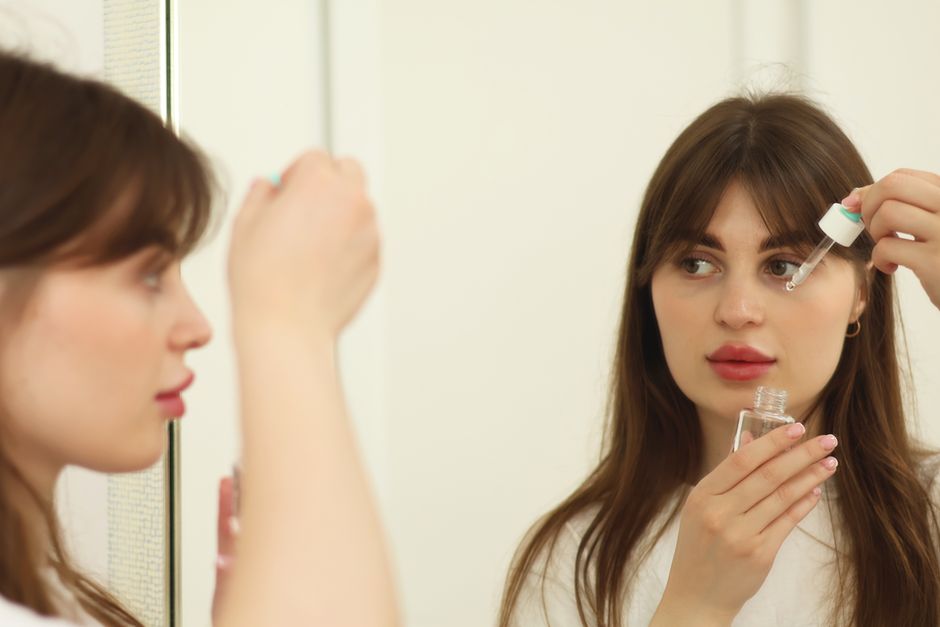
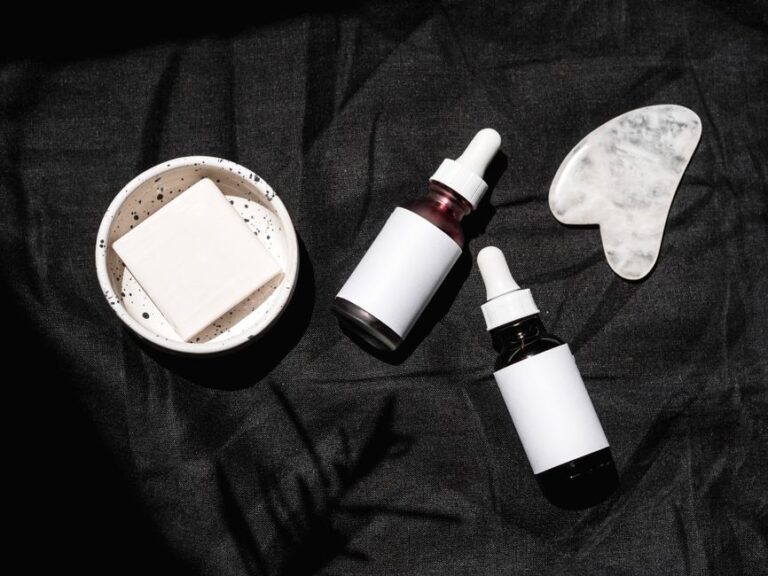
- Apply bakuchiol serum to dry skin — most formulas are lightweight serums, though it also shows up in moisturizers and oils.
- Layer moisturizer on top to lock it in, especially if you have dry or sensitive skin.
- Finish with sunscreen in the morning. Bakuchiol doesn't carry the same sun-sensitivity warning as retinol, but daily SPF is still the single most important anti-aging step regardless of what else is in your routine.
Because it's gentler, bakuchiol can typically be used both morning and night, and doesn't require the same "start slow" ramp-up schedule retinol does — though if you have very reactive skin, starting at every other night for the first week or two is still a sensible precaution.
Can you combine bakuchiol with other actives?
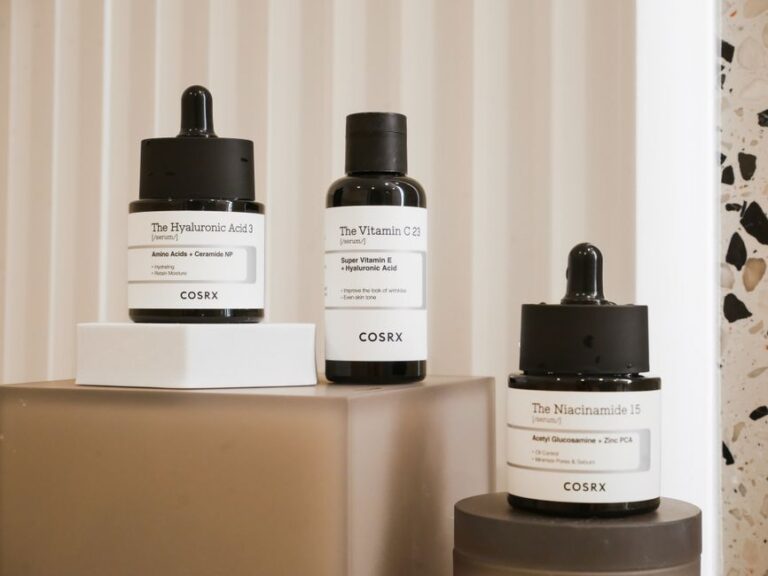
Bakuchiol generally plays well with other ingredients that can be tricky to pair with retinol. It's commonly combined with vitamin C, niacinamide, and hyaluronic acid without the irritation concerns those combinations can cause alongside retinol. Combining bakuchiol with actual retinol is also fine for people who tolerate retinol well but want to dial back the total retinoid load in a routine — though there's rarely a strong reason to use both unless you specifically want that combination.
Common mistakes people make
Expecting retinol-level results overnight. Bakuchiol works gradually, generally showing visible changes over 8-12 weeks of consistent use, similar to most actives that work on cell turnover.
Buying a product with a tiny amount of bakuchiol as a marketing add-on. Some products list bakuchiol far down the ingredient list in trace amounts. Look for it listed among the first several ingredients, or check the brand's stated concentration if they publish one.
Skipping sunscreen because "bakuchiol isn't retinol." While bakuchiol doesn't carry the same photosensitivity warning, none of that changes the fact that daily SPF is essential for the collagen and pigmentation benefits you're trying to achieve — sun damage undoes exactly the progress you're working toward.
The takeaway
Bakuchiol isn't a gimmick, but it's also not a literal one-to-one substitute for retinol — think of it as a legitimate, gentler option for people with sensitive skin, retinol intolerance, or a preference for plant-derived ingredients, while retinol remains the stronger, more studied option for tougher acne and more advanced signs of aging. Pick based on what your skin actually tolerates, not just which one sounds more impressive on a label.
Frequently asked questions
Is bakuchiol as effective as retinol?
For general fine lines, tone, and texture, studies show comparable results with less irritation. For more stubborn acne or deeper wrinkles, retinol generally has stronger, more established clinical backing.
Can I use bakuchiol every day?
Yes — because it's gentler than retinol, most people can use it both morning and night without the gradual break-in period retinol requires. Still patch-test first if you have reactive skin.
Is bakuchiol safe during pregnancy?
It's widely considered a pregnancy-friendly alternative to retinoids since it doesn't carry the same warnings, but always confirm with your OB or dermatologist before adding any new active during pregnancy.
Do I still need sunscreen if I use bakuchiol instead of retinol?
Yes, absolutely. Sunscreen is the foundation of any anti-aging routine regardless of which active ingredients you use — skipping it undermines the benefits of everything else in your routine.
Read next
Further reading & trusted sources
The detail that matters most
Bakuchiol doesn’t convert into retinoic acid in the skin the way retinol does, despite frequently being marketed as ‘natural retinol’ — it just happens to influence some of the same skin-renewal pathways through an entirely different mechanism, which is why the comparison is closer than a coincidence but not literally interchangeable. A bakuchiol product listed far down an ingredient list is often added at a marketing-only concentration too low to do much, so checking where it falls in the list matters more than seeing the word on the front of the bottle.
Ava reads the ingredient list long before the marketing claims — what interests her is which actives are genuinely proven and which are just a pretty bottle and a big promise. She leads GlowNourish’s skincare, makeup and hair coverage with one simple test: would this advice still hold up if a dermatologist read it? Every guide is researched with the help of AI tools and then human-edited for accuracy — no invented ‘clinical results’ and no fake reviews. For a real skin concern, she’ll always point you to a professional.