 By Ava Sinclair, Beauty Editor
Reviewed & updated August 2026
Stand in the acne aisle long enough and you'll notice almost every product leans on one of two ingredients: salicylic acid or benzoyl peroxide. They're often lumped together as "the acne fighters," but they work in genuinely different ways — and picking the wrong one for your skin type can mean months of irritation with little payoff.
This article shares general skincare information and isn't a substitute for advice from a dermatologist, especially for persistent or cystic acne.
 Quick navigationCurated by Ava · 5 min read
How salicylic acid works
Salicylic acid is a beta hydroxy acid (BHA) that's oil-soluble, meaning it can get down into a pore and dissolve the buildup of dead skin cells and oil that clogs it. That makes it especially good at treating blackheads, whiteheads, and general texture — the "surface congestion" type of breakouts rather than deep, inflamed ones.
It's also mildly exfoliating, so it tends to leave skin looking smoother over time, not just clearer. Most over-the-counter products use 0.5%-2% concentrations, which is enough to be effective without needing a prescription.
How benzoyl peroxide works
Benzoyl peroxide takes a different approach — it kills the acne-causing bacteria (C. acnes) directly and helps reduce inflammation. It's the stronger option for red, swollen, pus-filled breakouts because it addresses the bacterial and inflammatory side of acne, not just clogged pores.
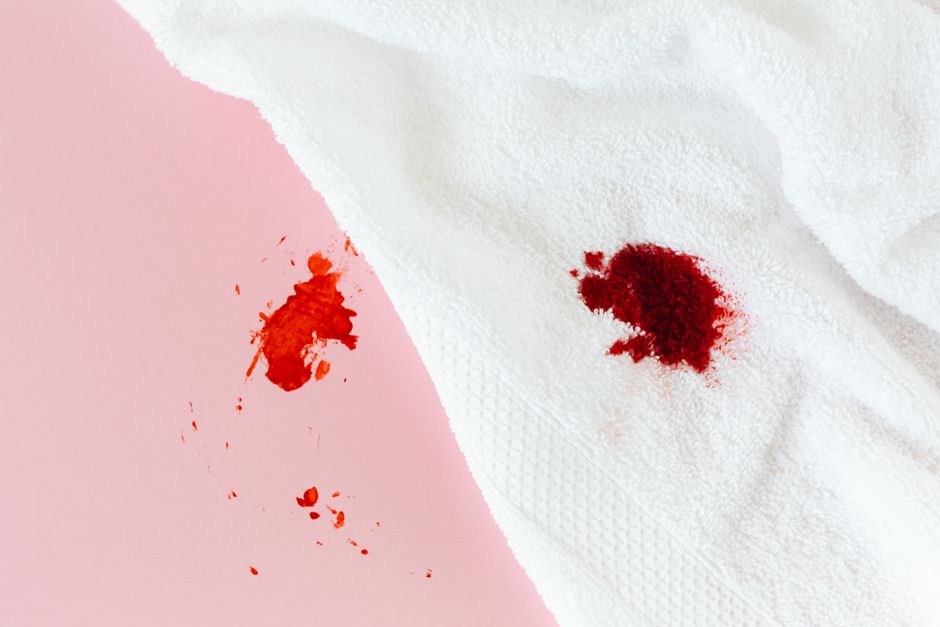
The tradeoff is that benzoyl peroxide is more drying and more likely to cause irritation, especially at higher strengths. It can also bleach fabric — a genuinely useful thing to know before it ruins a good pillowcase or towel.
Side-by-side comparison
| Salicylic Acid | Benzoyl Peroxide | |
|---|---|---|
| Best for | Blackheads, whiteheads, texture | Inflamed, red, cystic breakouts |
| How it works | Dissolves oil/debris inside pores | Kills acne-causing bacteria |
| Typical strength (OTC) | 0.5%-2% | 2.5%-10% |
| Irritation risk | Low to moderate | Moderate to high |
| Fabric-safe | Yes | No — can bleach fabric |
Can you use both together?
Yes, but not necessarily in the same routine every day, and not both at full strength when you're starting out. A common approach is using benzoyl peroxide as a short-contact spot treatment on active breakouts and salicylic acid as a regular cleanser or leave-on treatment for overall pore maintenance. Using both at high strength simultaneously is the fastest route to a dry, irritated barrier.
[TAKE] The pairing mistake I see most often: combining a benzoyl peroxide wash with a leave-on salicylic acid serum on the very first week. Ease in with one ingredient for 1-2 weeks before layering the second — your skin needs time to build tolerance.
Starting strength and how to introduce either one
Start low and go slow, regardless of which you choose. For benzoyl peroxide, that means 2.5%, not 10% — the higher strengths aren't proportionally more effective for most people, just proportionally more irritating. For salicylic acid, a 2% concentration is standard and effective for most skin types.
Introduce a new active every other day for the first two weeks, watching for excessive dryness, peeling, or redness. If your skin tolerates it well, you can move to daily use.

Who should be cautious
If you have sensitive or already-compromised skin (from over-exfoliating, a broken barrier, or eczema-prone skin), both ingredients can be too much until your barrier recovers. In that case, focus on gentle repair first — a fragrance-free moisturizer and a mild cleanser — before reintroducing actives.
The takeaway
Salicylic acid and benzoyl peroxide aren't competitors so much as tools for different jobs: salicylic acid for clogged pores and texture, benzoyl peroxide for inflamed, bacterial breakouts. Many people end up using both, just on different areas or on a staggered schedule, once their skin has built tolerance to each.
Frequently asked questions
Which one is better for hormonal acne?
Benzoyl peroxide tends to help more with the inflamed, cystic breakouts common in hormonal acne, though persistent hormonal acne is often best addressed with a dermatologist's guidance since topical treatments alone may not be enough.
Can I use salicylic acid and benzoyl peroxide on the same day?
You can, but it's gentler on your skin to alternate them (one in the morning, one at night, or on alternating days) rather than layering both at once, especially when you're first introducing them.
Why does benzoyl peroxide bleach my towels?
It's an oxidizing agent, which means it reacts with dye molecules in fabric and breaks them down — the same chemical property that helps it work on bacteria. Use white towels and pillowcases, or let it fully absorb before your skin touches fabric.
Is salicylic acid safe for daily use?
For most people, yes, at typical over-the-counter strengths (0.5%-2%), once your skin has built tolerance. If you notice ongoing dryness or irritation, cut back to every other day.
Read next

Further reading & trusted sources
A small change with a big payoff
Benzoyl peroxide’s bleaching effect isn’t a rare side effect, it’s near-guaranteed on colored fabric within a few uses — white pillowcases save more towels than any ‘gentle formula’ claim on the label. Introducing just one of the two acids at a time, not both together in week one, is what actually determines whether skin tolerates them long-term.
Ava reads the ingredient list long before the marketing claims — what interests her is which actives are genuinely proven and which are just a pretty bottle and a big promise. She leads GlowNourish’s skincare, makeup and hair coverage with one simple test: would this advice still hold up if a dermatologist read it? Every guide is researched with the help of AI tools and then human-edited for accuracy — no invented ‘clinical results’ and no fake reviews. For a real skin concern, she’ll always point you to a professional.