 By Ava Sinclair, Beauty Editor
Reviewed & updated August 2026
If your skin is red, irritated, or just plain tired from too many actives, centella asiatica — better known by its Korean skincare nickname "cica" — is the ingredient built for exactly that moment. It's a calming, barrier-supporting extract with real research behind it, not just marketing.
This is general skincare information, not medical advice. See a dermatologist for persistent irritation or skin concerns.
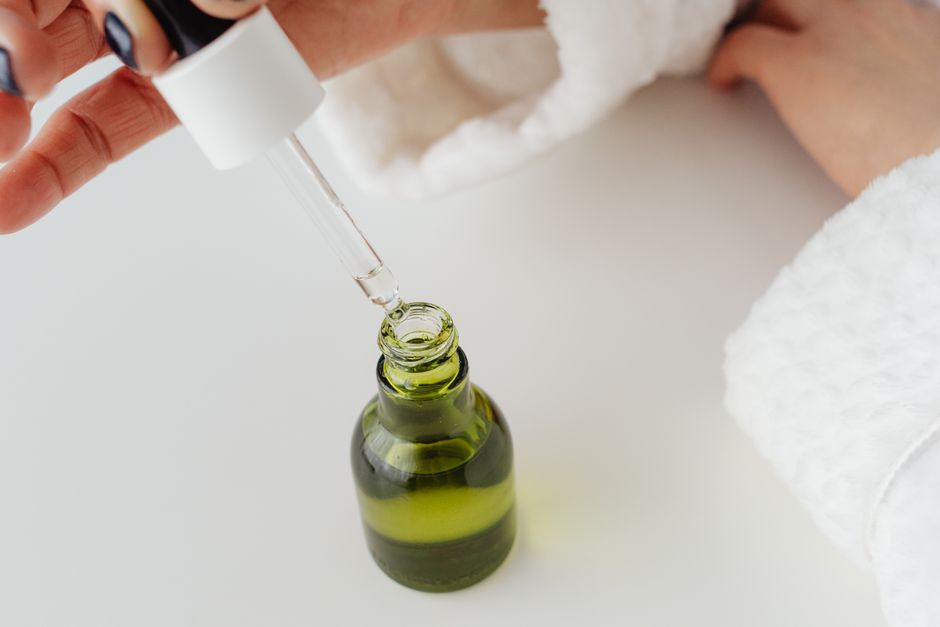 On this pageCurated by Ava · 7 min read
What is centella asiatica?
Centella asiatica is a small, leafy plant — also called Gotu Kola or "tiger grass" — that's been used in traditional medicine across Asia for centuries, originally to help heal wounds. The name "cica" that shows up on Korean skincare packaging is short for "cicatrisant," a French term related to scar healing.
The plant contains a group of active compounds called triterpenoids — mainly asiaticoside, madecassoside, asiatic acid, and madecassic acid — which are the ingredients actually doing the work in a cica product. When you see "centella asiatica extract" high on an ingredient list, or a product specifically calling out madecassoside, that's a sign it's formulated with a meaningful concentration rather than just a trace amount for the marketing claim.
What it actually does for skin
Calms redness and irritation. This is cica's signature benefit. The triterpenoids help reduce inflammatory signaling in the skin, which is why cica products became a go-to for skin that's reactive after using retinol, exfoliating acids, or during a flare-up of eczema or rosacea-prone skin.
Supports the skin barrier. Cica helps encourage collagen production and supports the skin's natural repair process, which makes it useful alongside barrier-repair ingredients like ceramides and centella-paired panthenol.
Helps with wound and post-procedure healing. This is where the ingredient's traditional use actually lines up with modern skincare — cica is commonly recommended after in-office treatments like microneedling or laser, and after physical injuries to skin, because of its documented role in supporting healing.
May help fade the look of scarring over time. Results here are modest and gradual, not dramatic, but consistent use is associated with improvements in the appearance of certain scars.
How to add it to a routine
Cica is one of the more forgiving ingredients to introduce — most people can use it daily, morning and night, without a gradual break-in period the way you would with retinol or exfoliating acids.
As a moisturizer or cream. Many "cica cream" products combine centella extract with ceramides and soothing agents like panthenol, making them a solid daily moisturizer for sensitive or barrier-compromised skin.
As a serum. A lighter, more concentrated cica serum can be layered under a moisturizer, and is a good option if you want the calming benefit without extra richness, especially in warmer months or on oilier skin.
As a spot treatment. Some cica formulas, often labeled as balms, are thick and designed to be applied directly to an irritated patch — post-breakout skin, a reaction to a new product, or a small cut or scrape.
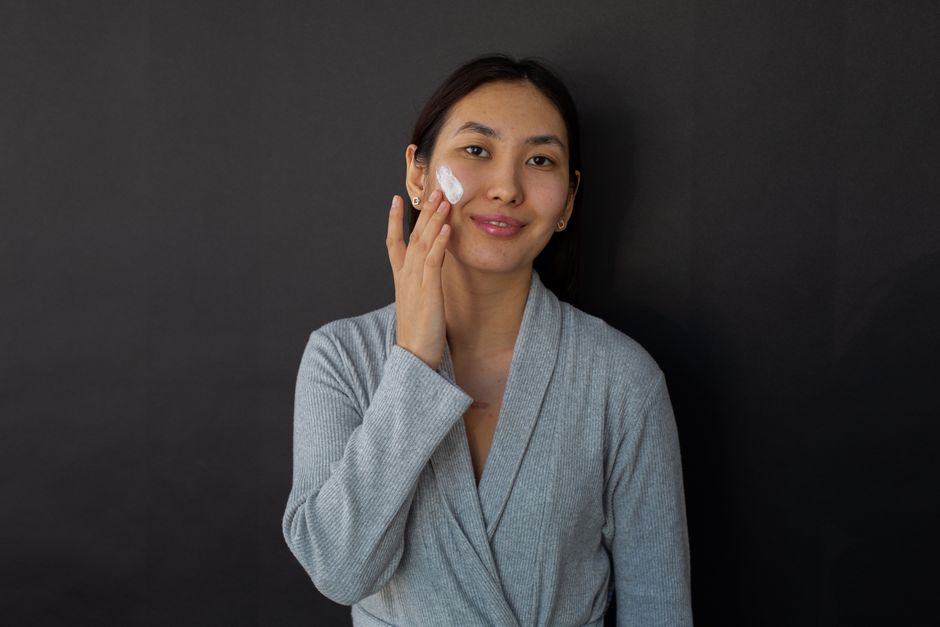
What to layer it with
Cica plays well with almost everything, which is part of its appeal. It's frequently paired with:
- Centella + niacinamide — a common combination for oily or acne-prone skin that also needs calming, since niacinamide helps with oil control and cica keeps irritation down.
- Centella + ceramides — a barrier-repair pairing, useful for dry or compromised skin that needs both hydration and calming.
- Centella + retinol or exfoliating acids — using a cica product on the nights you're not using an active, or layering it after your active to buffer irritation, is a common strategy for easing into stronger ingredients.
There's no meaningful interaction risk with cica — it doesn't destabilize other actives or require spacing them out the way you would with, say, vitamin C and certain forms of retinol.
What to look for on the label
Not every product listing "centella asiatica" high on the ingredient list is formulated the same. Look for:
- Named actives like madecassoside or asiaticoside rather than just "centella asiatica extract" buried near the bottom of a long list.
- Minimal fragrance and alcohol, since the whole point of a cica product is calming — a formula with irritating additives works against the ingredient's purpose.
- Product type matching your need — a rich cica cream for dry, compromised skin; a lightweight cica gel or serum for oily or combination skin that still wants the calming benefit without heaviness.
Common mistakes
Expecting instant results. Cica calms redness gradually with consistent use — it's not an instant de-flush product the way a cooling gel or ice roller might feel. Give a new cica product two to four weeks before judging it.
Skipping sunscreen because a product "feels medicinal." Cica has no meaningful SPF value on its own. It doesn't replace sunscreen, even in products marketed heavily around healing and repair.
Using it as your only strategy for a serious skin condition. Cica is a supportive, calming ingredient, not a treatment for diagnosed conditions like rosacea or eczema. It works well alongside a dermatologist-guided routine, not as a replacement for one.

The takeaway
Centella asiatica earns its reputation as one of the gentlest, most broadly useful ingredients in skincare — it calms irritation, supports the skin barrier, and helps with healing without the sensitivity risk that comes with stronger actives. It's a smart addition for almost any skin type, especially if your routine already includes retinol, acids, or anything else that can leave skin reactive. Look for a formula with a named active like madecassoside, use it daily, and give it a few weeks to show its gradual, calming effect.
Frequently asked questions
Can I use cica every day?
Yes. Unlike retinol or exfoliating acids, cica doesn't require a gradual introduction and is generally well tolerated for daily morning and night use.
Is cica the same as centella asiatica?
Yes — "cica" is simply the popular Korean skincare shorthand for products formulated with centella asiatica extract.
Can cica help with acne?
Cica doesn't directly treat acne the way salicylic acid or benzoyl peroxide does, but it can calm the redness and irritation that often comes with active breakouts, making it a useful supporting ingredient rather than a primary acne treatment.
Does cica replace moisturizer?
A cica cream can function as your moisturizer if it's formulated to be sufficiently hydrating for your skin type. A lighter cica serum, on the other hand, is usually meant to be layered under a separate moisturizer.
Read next
Further reading & trusted sources
Worth knowing before you start
Cica calming redness is a gradual, cumulative effect from consistent daily use, not an instant de-flush the way a cold compress feels — judging it after one or two applications and writing it off is the most common reason people miss the benefit entirely. Products that lean on ‘centella asiatica extract’ near the bottom of a long ingredient list rarely contain enough of the active triterpenoids to do much; formulas that specifically call out madecassoside are the ones worth paying attention to.
Ava reads the ingredient list long before the marketing claims — what interests her is which actives are genuinely proven and which are just a pretty bottle and a big promise. She leads GlowNourish’s skincare, makeup and hair coverage with one simple test: would this advice still hold up if a dermatologist read it? Every guide is researched with the help of AI tools and then human-edited for accuracy — no invented ‘clinical results’ and no fake reviews. For a real skin concern, she’ll always point you to a professional.